

If you’ve ever watched the late afternoon sun turn a border of catmint into a pool of shimmering lavender, you know why I reach for this plant again and again. Over the years, I’ve woven catmint into gardens both wild and tidy, and it never fails to pull the whole landscape together—here are some of my favorite ways to make it shine.
Create Soothing Pathway Borders with Catmint
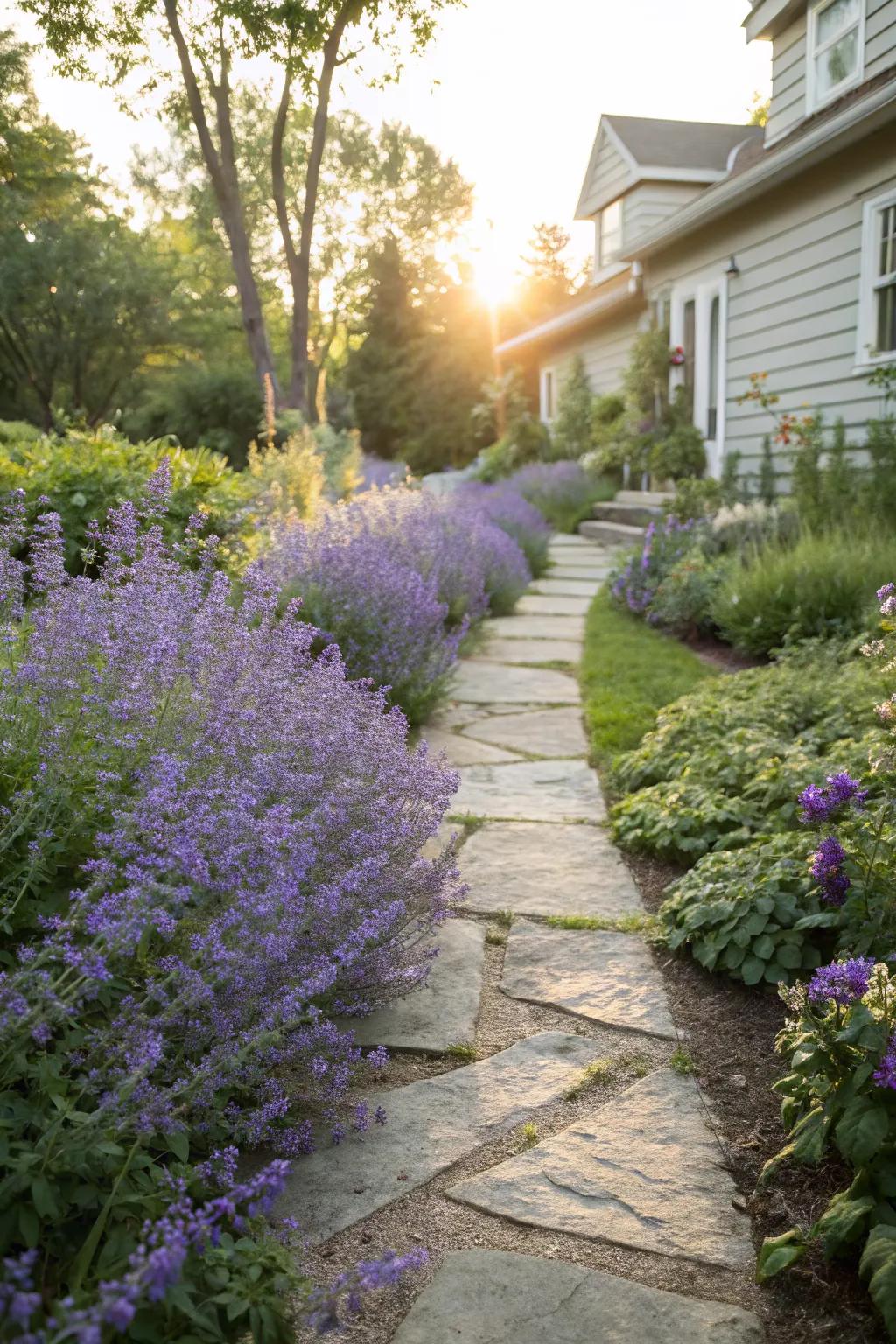
One of my earliest client gardens had a simple flagstone path, but lining it with billowy catmint transformed the walk into a sensory experience—bees buzzing, soft silver leaves brushing your ankles, and a gentle lavender fragrance trailing behind. I often use catmint as a living border because it softens hard edges and draws people outside.
Useful items to consider:
- Catmint live plants or seeds: Plant lush catmint along your walkway to create a beautiful, aromatic border that attracts pollinators.
- Flagstone stepping stones: Upgrade your garden path with natural flagstone pieces for a durable, rustic look that complements catmint.
- Garden kneeling pad: Stay comfortable while planting and maintaining your border garden with a padded kneeling mat.
Why Not Try a Catmint and Rose Combo?

The first time I paired catmint with old-fashioned roses, I realized the cool blue blooms made those rose colors pop like nothing else—plus, the catmint kept pests at bay. It’s a classic combination that delivers months of color and practically takes care of itself.
Suitable options for this:
- Catmint seeds or starter plants: Grow lush catmint in your garden to pair beautifully with roses and attract pollinators effortlessly.
- Old-fashioned rose bush plants: Add timeless elegance to your landscape by planting classic rose bushes alongside fragrant catmint borders.
- Decorative garden edging for flower beds: Define your catmint and rose beds with decorative edging for a neat, charming, cottage-style appearance.
Mass Plant Catmint for a Bold Color Statement
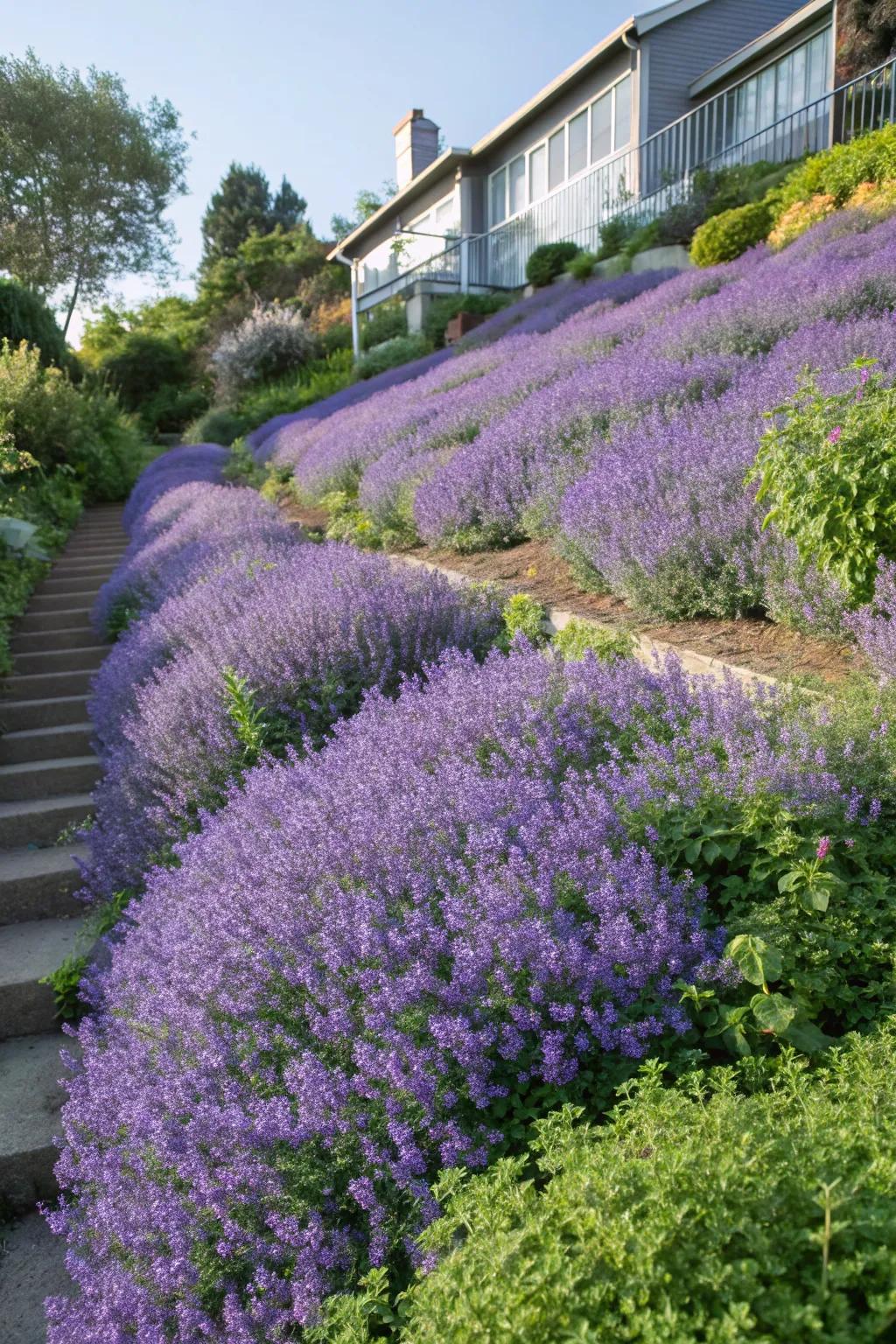
I once filled a sloped backyard with a sea of catmint—by midsummer it was a wave of purple-blue that stopped neighbors on their evening strolls. Mass planting catmint is my go-to for clients who want big color with almost no maintenance.
Check if these fit your needs:
- Catmint Plant Seeds or Starter Plants: Transform your garden with easy-to-plant catmint seeds or young plants for stunning, low-maintenance color.
- Mulch for Flower Beds: Protect your catmint and keep weeds at bay with a layer of decorative mulch for garden beds.
- Drip Irrigation Kit for Slopes: Ensure your mass-planted catmint stays hydrated efficiently with an easy-to-install drip irrigation system.
Make a Cottage Garden Pop with Catmint

In my own backyard, I mix catmint with daisies, coneflowers, and daylilies for that classic, overflowing cottage garden look—each bloom weaving in and out, bees everywhere. The catmint acts as a cool backdrop that makes every other color sing.
To help you get the job done:
- Catmint Seeds or Starter Plants: Start your cottage garden border with reliable catmint plants—ideal for pollinators and easy color blending.
- Mixed Daisies, Coneflowers, and Daylily Bulb Packs: Create vibrant borders by planting mixed daisy, coneflower, and daylily bulbs for lasting seasonal color.
- Decorative Stone Garden Edging: Define walkways elegantly while containing blooms with flexible decorative stone garden edging solutions.
Transform Foundations with Low-Growing Catmint
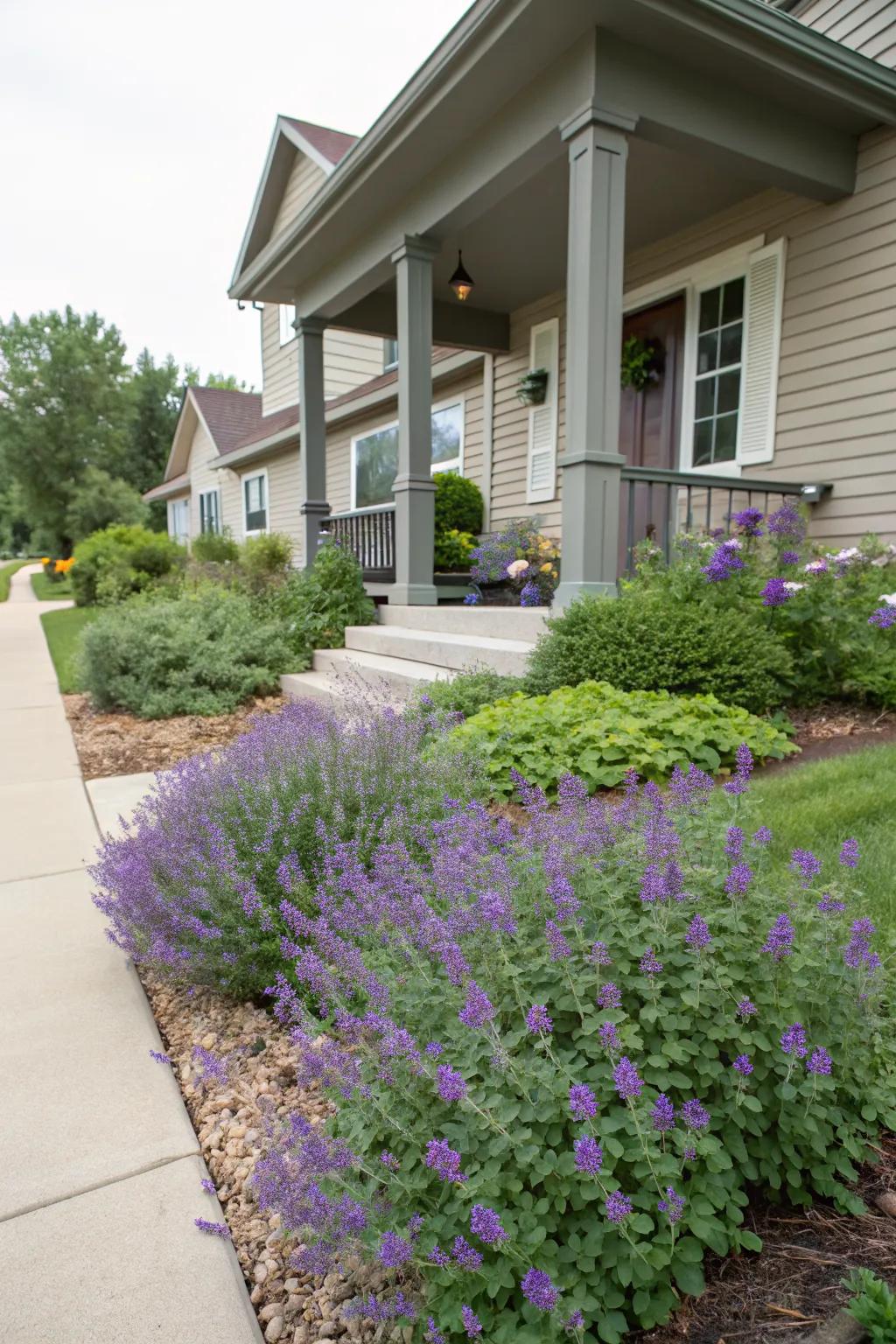
A lesson I learned after a client complained about boring bare soil around their porch: low-growing catmint varieties are perfect for softening those awkward foundation lines. The billowy growth and steady blooms add instant curb appeal and hide unsightly gaps.
Grab the essentials:
- Low-Growing Catmint Plants or Seeds: Enhance your foundation borders with easy-to-grow catmint for long-lasting color and lush ground cover.
- Landscape Edging for Flower Beds: Define your garden beds and keep plants tidy with durable, easy-to-install landscape edging solutions.
- Decorative Mulch or Landscaping Stones: Use mulch or stones to create a clean, finished look while helping control weeds around your catmint.
Frame Your Seating Area with Catmint

One client’s unused patio became an evening retreat after we ringed it with catmint—now the scent wafts in on summer nights, and the soft foliage frames the space without blocking the view. It’s an easy way to create a sense of enclosure without feeling boxed in.
Options that might work:
- Catmint (Nepeta) live plants or seeds: Plant catmint around your patio to enjoy soothing fragrance and soft foliage all summer long.
- Outdoor patio lounge chair with cushions: Relax in comfort with a cushioned lounge chair that complements your cozy, catmint-framed retreat.
- Outdoor string lights for patios: Enhance your garden ambiance with soft string lights, perfect for evening relaxation in your patio nook.
Unexpected: Plant Catmint Under Open-Limbed Trees

Last year, I experimented with catmint beneath a mature honey locust—filtered light, dry soil, and still, catmint thrived and flowered for months. The effect was wild yet intentional, with blue blooms shimmering beneath dappled green shade.
These may be of interest:
- Catmint Seeds or Live Plants: Easily start your catmint garden under trees—choose seeds or ready-to-plant catmint for fast results.
- Tree Ring Edging Stones: Define planting beds under trees with durable edging stones for a neat, beautiful garden border effect.
- Adjustable Hose Watering Wand: Reach shady spots under trees easily and provide even watering for your blooming catmint all season.
How About a Catmint and Ornamental Grass Mix?

A client once asked for movement in the garden, so I combined catmint with feather reed grass—the grass plumes sway above the purple haze, and the textures together are mesmerizing. It’s a pairing that adds year-round interest, even after the blooms fade.
Something that could work:
- Catmint Seeds or Live Plants: Bring soft color and pollinators to your garden—plant catmint for easy, low-maintenance blooms all season.
- Feather Reed Grass Seeds or Plugs: Add graceful movement and year-round texture to your landscape with ornamental feather reed grass.
- Landscape Weed Barrier Fabric: Create a tidy, low-maintenance garden by using weed barrier fabric under your catmint and grasses.
Transform Rock Walls with Cascading Catmint

I once made a plain retaining wall disappear by letting catmint spill over the edge—the effect was waterfall-like, with blooms tumbling down the stones. It’s a trick that makes hardscaping look softer and more established overnight.
Might be a good match:
- Catmint Live Plants or Seeds: Grow your own beautiful catmint to create lush, cascading displays over stone walls and borders.
- Organic Plant Fertilizer for Perennials: Help your catmint thrive and bloom more vigorously by applying an easy-to-use perennial plant fertilizer.
- Soil Moisture Meter for Garden Beds: Monitor soil moisture around your catmint for optimal growth and prevent over- or underwatering quickly.
Can Catmint Work in Containers? Absolutely.

When space is tight, I tuck catmint into patio pots with creeping sedum and tall verbena—the result is a layered mini-garden that buzzes with pollinators all summer. It’s my favorite solution for renters or anyone with a sunny balcony.
A few useful items:
- Large Outdoor Planters for Patio: Enhance your balcony or patio with spacious outdoor planters, perfect for creating vibrant, layered mini-gardens.
- Organic Potting Soil Mix: Give catmint and companion plants a healthy start by using quality organic potting soil in your containers.
- Self-Watering Planter Inserts: Maintain consistent moisture for your patio plants all summer long with easy-to-use self-watering planter inserts.
Unconventional: Spiral Catmint Labyrinth

I once designed a small backyard spiral using only catmint—the swirling path invited visitors to wander among the blooms, with every step releasing a fresh wave of scent. It’s a whimsical way to add structure and movement, even in a compact yard.
A few picks to consider:
- Catmint seeds or starter plants: Start your spiral labyrinth with easy-to-grow catmint seeds or healthy starter plants for vibrant blooms.
- Garden path edging stones or borders: Define your spiral with durable path edging stones to give your labyrinth a crisp, elegant outline.
- Decorative stepping stones for garden paths: Lay out inviting stepping stones along the pathway to guide visitors through your fragrant catmint spiral.
Bold Claim: Catmint Tames Slopes Like Nothing Else

On a steep, erosion-prone hillside, catmint’s dense roots and sprawling growth quickly stabilized the soil and filled the space with color. I always recommend it for tough slopes where nothing else seems to thrive—it’s beautiful and practical.
Helpful items for this idea:
- Catmint Plant Seeds or Starter Plants: Start your hillside transformation by planting catmint seeds or young plants—easy to establish and maintain.
- Biodegradable Landscape Edging: Define planting areas and help prevent soil erosion with flexible, biodegradable landscape edging for sloped gardens.
- Mulch for Slopes: Apply a layer of mulch to help control weeds and retain soil moisture on your hillside plantings.
Layer Catmint with Tall Spires for Drama
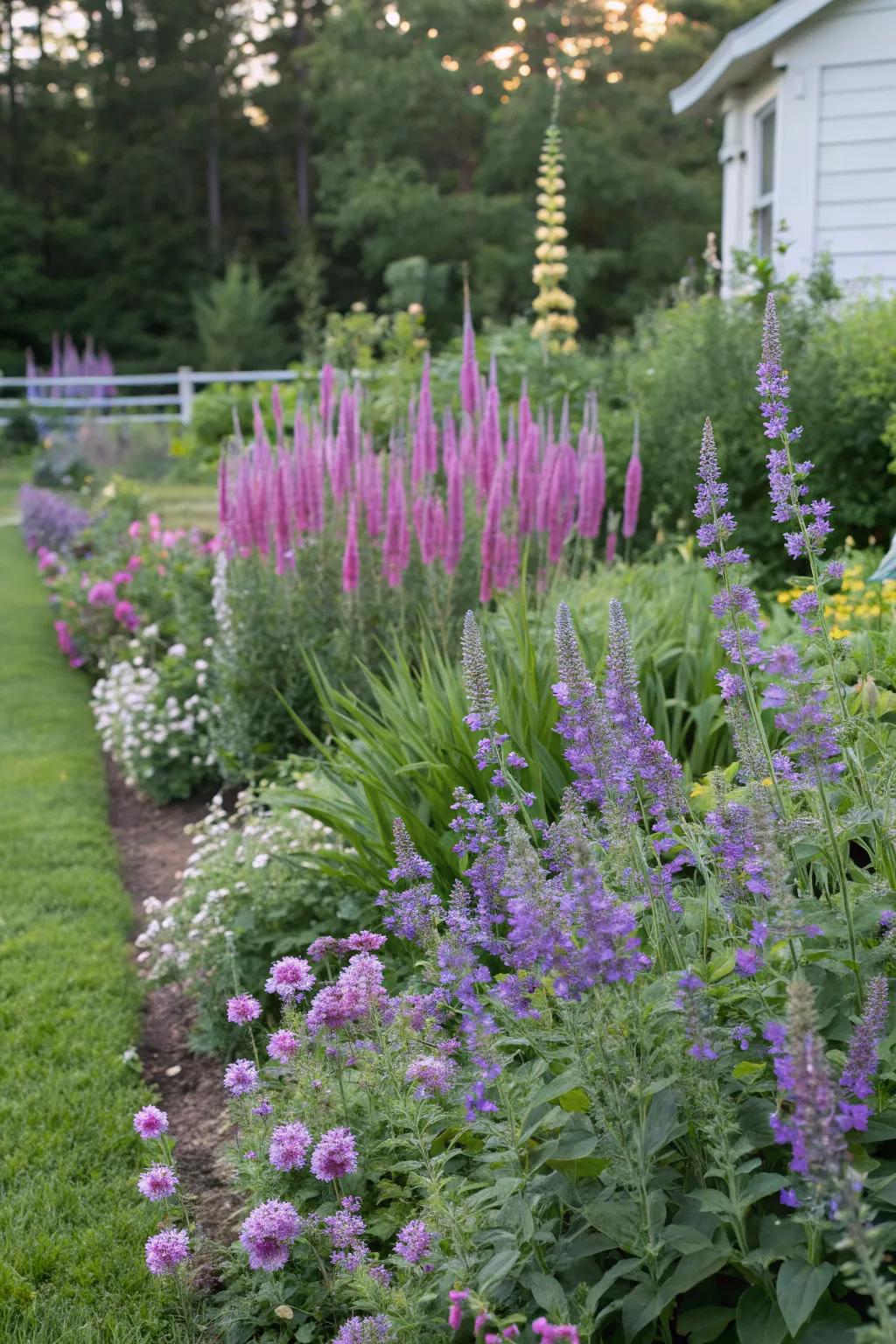
In one dramatic border, I layered catmint in front of foxglove and Russian sage—the result was a tapestry of shapes and hues, with the catmint’s mounds anchoring the taller flower spikes. This approach creates instant depth and keeps the eye moving.
Essentials for this look:
- Catmint Seeds or Starter Plants: Create soft, flowing mounds in your borders—start your dramatic layering with easy-to-grow catmint plants.
- Foxglove Flower Seeds: Add vertical accents behind catmint with foxglove seeds to bring gorgeous height and visual interest.
- Russian Sage Seeds or Live Plants: Incorporate airy, spiked texture and soft lavender hues behind catmint with Russian sage in your flower beds.


