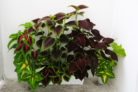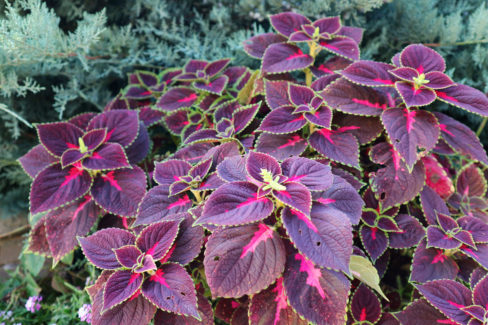
The Coleus is a total showstopper in the plant world, famous for its stunning, multi-colored foliage. While the leaves are the stars of the show, the flowers are actually pretty underwhelming—which is why most gardeners just snip them right off. Usually, we keep these beauties as houseplants, but they love a summer vacation in the garden or out on the balcony.
Summer is blooming season
Most Coleus varieties start blooming during the summer months. Since the petals are tiny and don’t really add much to the look, many people pinch them off as soon as they appear. This helps the plant focus all its energy on growing those gorgeous leaves instead of wasting it on flowers.
Growing new plants
If you want more Coleus in your life, you’re in luck! They are super easy to propagate using either cuttings or seeds.
- Cuttings:
Those stems where flowers start to form are actually perfect for making cuttings. Just look for a shoot about 5 inches long, snip it off carefully, and pop it into a glass of water to root. Pro tip: older plants sometimes lose that vibrant leaf color, so it’s a great idea to take cuttings from your favorites to keep the lineage going.
- Seeds:
Since most of us pinch off the flowers early, you probably won’t be harvesting seeds from your own plants. No worries, though—you can find seeds online or at garden centers very affordably. They usually come in “rainbow mixes” with all sorts of color combos. If you’re looking for one specific color, be patient; Coleus plants don’t show their true colors until they’ve grown a few pairs of leaves.
Give them plenty of light
The perfect spot for your Coleus is somewhere bright and protected from harsh winds. If you’re planning to move them into your flower beds, wait until the threat of frost has totally passed. These plants are heat-lovers and shouldn’t go outside until nighttime temperatures stay consistently above 57°F (14°C). If they get too chilly, they might drop all their leaves or just wilt away.
Winter care
Because these plants are tropical natives from Southeast Asia, they have zero tolerance for cold. You’ll need to bring them inside to overwinter in a warm, bright room. Don’t wait too long to bring them in—even a short dip below 57°F can be enough to do them in. Keep them cozy, and they’ll be ready to shine again next year!