Since dahlias aren’t naturally frost-hardy, getting them through the winter is key if you want to see those gorgeous blooms again next year. Most people suggest a basement, but what if you don’t have one? Don’t worry—you’ve still got options! Here’s how you can keep your dahlia tubers safe and sound without a traditional cellar.
No Basement? No Problem!
While a dry, dark basement is the “gold standard” for storage, it’s definitely not your only choice. If your home is short on cellar space, you can try one of these alternatives:
- Storing them in a garage or greenhouse
- Keeping them right in their pots
- Overwintering them outdoors (with a little extra help)
Using Your Garage or Greenhouse
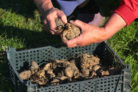
If you don’t have a basement, storing your dug-up dahlia tubers in a garage or greenhouse is a great plan B. The number one rule here? Keep them away from frost. You’ll need to make sure the temperature stays above freezing (32°F) all winter long. Other than that, the process is pretty much the same as basement storage.
One thing to watch out for is heat. If it gets too warm, your dahlias might think it’s spring and start sprouting way too early. Aim for a “sweet spot” between 40°F and 50°F. Greenhouses can get especially bright and warm on sunny days, so keep an eye on them to prevent that premature growth.
The Pot Method
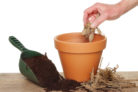
If you’ve been growing your dahlias in containers, you’re in luck—you can actually leave them right in the pot! It’s super convenient since you don’t have to dig them up. Just make sure to cut the stems all the way back first. Move the entire pot to a frost-free spot for the winter. This method is a bit more forgiving with temperature, and the tubers usually do fine even if it hits about 54°F.
Taking a Chance Outdoors
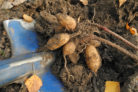
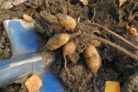
If you’re feeling a bit adventurous, you can try overwintering your dahlias directly in the ground. This is definitely the riskiest method, but it can work if you live in a milder climate or provide enough “blankets.” Instead of digging the tubers up, you leave them in the garden and pile on the protection. Think thick layers of mulch, fallen leaves, or straw. You can also top it off with burlap sacks, winter fleece, or coconut fiber mats to give them the best chance of surviving the deep freeze.