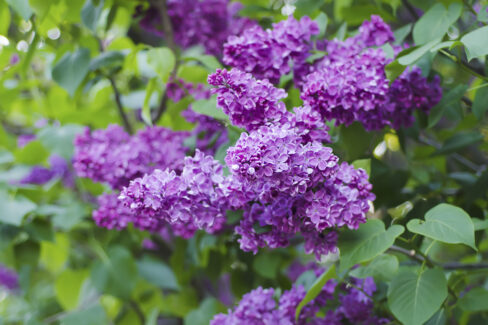
Butterfly Bushes (Buddleja) are what we call shallow-rooted plants. This means only a few of their roots actually dive deep into the soil to anchor the shrub. Most of that root system stays pretty close to the surface, which is something you really need to keep in mind if you ever plan on moving one.
What exactly are shallow-rooted plants?
Basically, shallow-rooted plants spread their roots out like a fan just beneath the soil surface. Since they don’t have a deep “anchor,” they can be a bit vulnerable during heavy storms. That’s why I always recommend planting your Butterfly Bush in a spot that’s protected from high winds. Also, keep in mind that these roots can be a bit pushy—they might crowd out neighboring plants or even lift up patio pavers and cause cracks in nearby walls if they’re too close.
Give your Butterfly Bush plenty of elbow room
If you’re planting a Butterfly Bush as a standalone feature, make sure to give it plenty of space from other plants, buildings, or fences. A variety like *Buddleja davidii* can reach up to 13 feet tall in the right spot! A big shrub means a big root system, so it needs room to breathe. However, if you’re looking to grow a Butterfly Bush hedge, you can space them closer together (about 30 inches apart) to create a nice, dense screen relatively quickly.
Don’t forget to protect the root base in the winter. Young plants, especially, can be a little sensitive to the cold. I like to put down a thick layer of mulch over the root area to keep them cozy until spring.
Do you need a root barrier?
You usually see root barriers used for shallow-rooters that spread via underground runners (like certain types of bamboo). These barriers stop the plant from taking over your entire yard. Luckily, Butterfly Bushes don’t spread through their roots, so you don’t need to worry about installing a root barrier.
How to transplant a Butterfly Bush
If you ever need to dig up and move your Butterfly Bush, you’ve got to be extra careful with those roots. Here’s the best way to do it:
- Prune the shrub down to about 8 inches in height.
- Mark a circle on the ground with the shrub in the center.
- The diameter of this circle should be roughly the height of the shrub *before* you pruned it.
- Use a spade to cut straight down into the soil along that circle.
- Use a garden fork to gently loosen the soil all the way around.
- Give the shrub some good tugs and keep loosening until the root ball starts to give.
- Once it’s loose, lift it out (get a friend to help!) and move it straight to its new hole.
Pro tip: Don’t shake the dirt off the roots! Keeping that original soil intact helps the shrub settle in much faster. Make sure to water it deeply for the next few days to encourage those roots to grab hold of their new home.