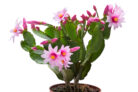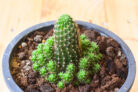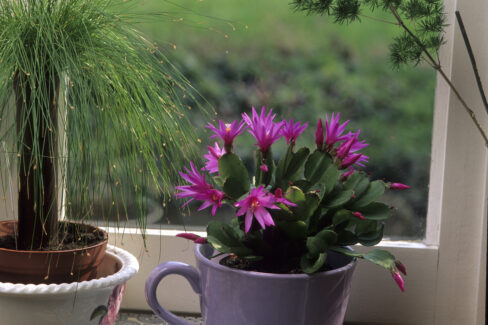
The Easter cactus is such a chill, low-maintenance houseplant that brings a ton of joy to any room. Honestly, repotting is one of the few “chores” you’ll actually have to do for it. But don’t sweat it—it’s super straightforward. Here’s everything you need to know to get it right.
Repotting Your Easter Cactus
Unlike some high-maintenance plants, the Easter cactus only needs a new home every two to three years. Of course, if you notice the roots are getting cramped and the pot is clearly too small before then, go ahead and size up early. Usually, though, their growth rate lines up perfectly with that two-to-three-year schedule.
The golden rule? Wait until after the blooming season is over. These plants are pretty sensitive to change while they’re flowering. Even just moving them to a new location during this time can cause those beautiful blooms to drop prematurely.
How to Do It Right
The best part about the Easter cactus? No prickly spines! You won’t need heavy-duty gloves, but you do need a gentle touch. The segments can snap off fairly easily. While a broken segment won’t hurt the plant’s overall health, it can make it look a bit lopsided. On the bright side, you can actually use those accidental breaks for propagation to grow brand-new plants!
If you want your cactus to keep getting bigger, you’ll definitely need a slightly larger pot. Even if you aren’t sizing up, you should always swap out the old soil for fresh nutrients. I recommend using a specific cactus mix or making your own by mixing regular potting soil with sand (a 2:1 ratio works great). To keep your cactus happy and prevent root rot, make sure the pot has excellent drainage. A layer of broken terracotta shards or coarse gravel at the bottom does the trick perfectly.
Repotting the Easter Cactus: The Quick Checklist
- Plan to repot every two to three years.
- If the pot gets too small sooner, feel free to upgrade early.
- Always wait until the flowering phase is completely finished.
- Be careful not to snap the segments (though they make great cuttings for new plants!).
- Always use fresh soil—either a cactus mix or a soil-sand blend.
- Proper drainage is key to a healthy plant.
- Sometimes, fresh soil and a new pot are just the “reset” the plant needs if your Easter cactus isn’t blooming.