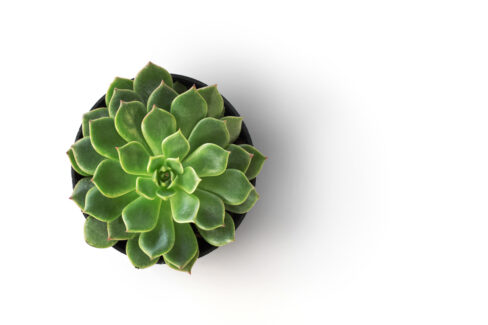
Gardeners all over the world love the orchid cactus for its stunning, vibrant blooms. That’s why it’s so frustrating when your plant just refuses to flower! If you’re staring at a stubborn cactus, here’s a look at what might be going wrong and how you can get those blossoms back on track.
Is your plant still a “baby”?
Sometimes, the issue is simply that your orchid cactus isn’t old enough yet. These plants aren’t exactly “instant gratification” growers; it can take a few years after planting for them to reach maturity. In fact, don’t be surprised if you have to wait about five years before you see that very first bloom. If your plant is still young, you’re likely doing everything right—it just needs a little more time to grow up.
Did it get a proper winter nap?
If your cactus is mature but still won’t bloom, it might be a rhythm issue. Orchid cacti need a specific seasonal cycle to trigger flowering. If you don’t give your plant a proper winter rest period, it probably won’t have the energy to produce flowers come spring.
While these cacti love the summer heat, they actually need a chilly spot during the winter. You’ll want to overwinter your plant in a spot that stays between 50°F and 60°F (10-15°C). A cool sunroom or a temperature-controlled greenhouse is perfect for this. Once you finally get those blooms, you can trim off the wilted parts to encourage the plant to push out a second flush of flowers.
Is it a nutrient or watering issue?
Wet feet during the winter is another common culprit. You should scale back your watering significantly during the colder months—just make sure the soil doesn’t bone-dry completely. Also, skip the misting bottle; spraying the foliage in the winter can actually do more harm than good.
When it comes to feeding your orchid cactus, keep these tips in mind:
- Use a standard houseplant fertilizer rather than a specific “cactus” fertilizer.
- Look for a formula that is low in nitrogen.
- Only use half the dose recommended on the label.
Finally, check the soil. While these plants aren’t heavy feeders, totally depleted soil can stop blooms in their tracks. If your plant looks tired, the best fix is to move it into fresh substrate in the spring. Just remember: if you’ve just repotted into fresh soil, you can skip the fertilizer for a while!