Because pineapples are so juicy, they don’t stay fresh for long on the kitchen counter. If you find yourself with a surplus of this tropical treat, freezing is one of the best ways to save it for later. The best part? Once thawed, frozen pineapple is super versatile and ready for all sorts of recipes.
Picking the Perfect Pineapple
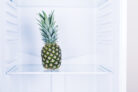
When it comes to freezing, timing is everything. You want a pineapple that is perfectly ripe, but not overripe. If it’s too far gone, the texture gets a bit mushy after it thaws. A perfectly ripe fruit packs the most flavor and holds its shape much better during the freezing process.
So, how do you know it’s ready? You can check the ripeness level by giving it a sniff—it should have a strong, sweet, fruity aroma. It should feel firm when you give it a gentle squeeze, and the skin should be a nice golden-yellow to light brown. Another pro tip: try pulling on one of the inner leaves at the top; if it pops out easily, you’re good to go!
Prepping Your Fruit
Whether you’re planning to freeze your harvest or even can your pineapple later, you’ve got to prep it first. Start by slicing off the leafy top and the base. Then, stand the pineapple up and use a sharp knife to slice the skin off from top to bottom, making sure to remove all those prickly “eyes.”
To get rid of the tough, woody core, simply cut the pineapple into quarters lengthwise. From there, it’s easy to just slice that middle core piece right out of each wedge.
How to Freeze Pineapple Chunks
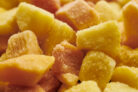
The easiest way to freeze pineapple is in thin, individual pieces (this also works great if you eventually want to dry your pineapple chunks). Slice your quarters into pieces no more than about a quarter-inch thick. Always use a sharp knife for this—it keeps the juices inside the fruit instead of all over your cutting board!
Next, grab a baking sheet or a flat tray and line it with parchment paper. Spread the pieces out in a single layer so they aren’t touching. The parchment paper is key because it keeps the fruit from sticking to the tray. Pop the tray in the freezer for at least 24 hours until the pieces are frozen solid.
Once they’re frozen, you can transfer the chunks into a freezer bag or an airtight container to save space. Work quickly so they don’t start to melt! This “flash-freezing” method is awesome because it prevents the fruit from clumping together, meaning you can grab just a few pieces whenever you need them. If you know you’ll need a huge amount at once, you can freeze them directly in a bag, but keep in mind that a big frozen block takes much longer to thaw.
Thawing Your Pineapple
Just a heads-up: pineapple releases a good amount of juice as it thaws. Don’t let it go to waste—it’s delicious to drink or use in a recipe! To thaw, just place the pieces on a plate or in a shallow bowl. Depending on how big the chunks are, it might take a few hours to defrost completely.
However, if you’re making smoothies or tropical drinks, I actually recommend using the pieces while they’re still slightly frozen. They blend up much better and give your drink a great frosty texture!