We all know that caterpillars have one job: to eat. Sometimes they’re so good at it that they leave nothing behind but a skeleton of leaf veins! If you spot a caterpillar on your prized azalea, it’s totally normal to panic for a second. The key is to figure out exactly what you’re looking at so you can decide if your shrub is actually in danger.
What’s this green caterpillar on my azalea?
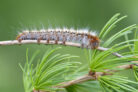
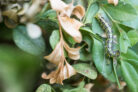
To be honest, bright green caterpillars aren’t the usual suspects for azaleas. You might just have a “tourist” that crawled over from a neighboring plant. However, if you see a few of them, you might be dealing with Winter Moth larvae. The most common azalea pests—the Rhododendron Lace Bug and the Black Vine Weevil—actually have yellowish-white larvae. All three can do some damage, so you’ll want to keep an eye on them.
Identifying that green intruder
Since green caterpillars aren’t typical for azaleas, double-check your surroundings. If your azalea is sitting under a large tree, Winter Moth larvae might have dropped down for a snack. While they usually prefer fruit trees, they aren’t picky and will munch on ornamental shrubs too. Another possibility? Some common larvae have slightly translucent bodies, which can make them look greenish when they’re sitting against those lush, dark green azalea leaves.
How to deal with Winter Moth caterpillars
Between March and May, these little green guys like to spin webs around young leaves and buds—basically setting up camp right inside their buffet. If you catch them early, you can use *Bacillus thuringiensis* (Bt), a natural soil bacterium that works wonders on young larvae. If you want to play the long game, introducing parasitic wasps can help stop the larvae from hatching in the first place.
Which caterpillars are actually dangerous to azaleas?
There are two main pests you really need to watch out for. Their larvae are the ones that do the heavy lifting when it comes to damaging your plants: the Rhododendron Lace Bug and the Black Vine Weevil.
- Rhododendron Lace Bug larvae usually show up in late May or early June.
- They hang out on the undersides of the leaves.
- They are tiny (about 2 mm) and very pale.
- The best way to handle them is with a targeted spray once the plant has finished blooming.
- Black Vine Weevil larvae are bigger, about 1 cm long.
- They are yellowish-white with a distinct brown head.
- These guys hatch in July and live underground near the roots.
- They actually spend the winter in the soil and are best treated using beneficial nematodes.
Quick Tip: Check for “notched” leaf edges
Because Black Vine Weevil larvae hide in the dirt, they are experts at staying out of sight. Keep an eye out for the adults instead: they are dark-colored beetles (about 3-14 mm long) that come out at twilight. If you see “U-shaped” notches chewed out of the edges of your leaves, you almost certainly have a weevil problem.