

After years designing parks and tinkering in my own yard, I’ve realized filling a raised garden bed is as much an art as a science. Today, I’m sharing my favorite ways to layer, stuff, and transform empty garden boxes into living, thriving ecosystems.
Why I Always Add a Cardboard Barrier
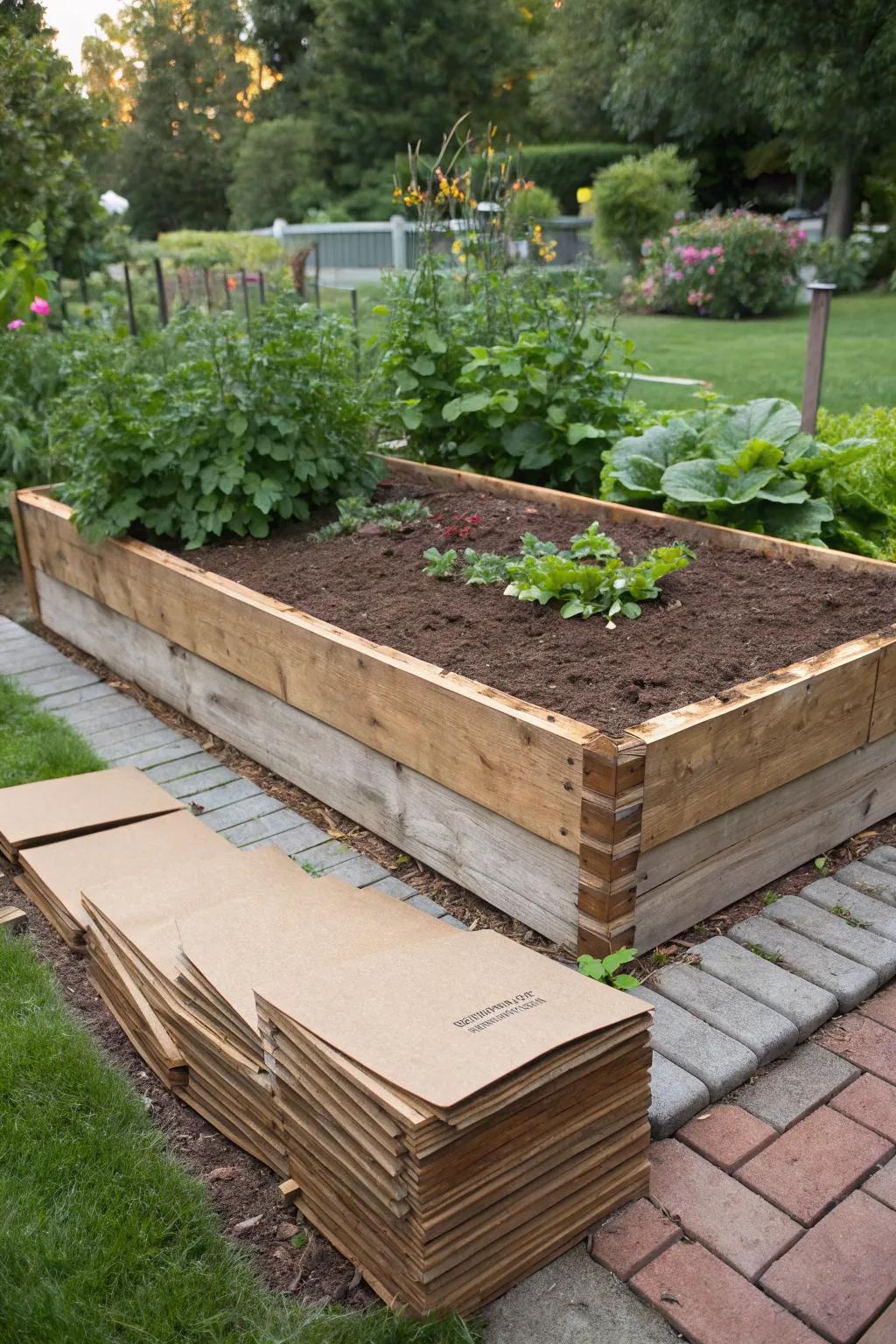
Every spring, I lay thick cardboard sheets at the bottom of new beds after seeing firsthand how it stops weeds cold. The earthy scent of damp cardboard under fresh soil is the smell of a weed-free summer waiting to happen.
Useful items to consider:
- Biodegradable cardboard sheets for garden beds: Easily create a natural weed barrier by lining your raised beds with simple biodegradable cardboard sheets.
- Raised garden bed weed barrier fabric: Enhance weed protection under your soil with professional-grade barrier fabric designed for raised garden beds.
- Organic compost and soil blend for raised beds: Top off your cardboard layer with nutrient-rich organic compost to boost your plants’ healthy growth.
Start With Rich Soil for Unbeatable Results

I always tell clients, if you can swing it, fill your raised bed to the top with high-quality soil and compost—your plants will repay you with lush growth. In my own beds, the difference between mediocre and spectacular always comes down to the richness and depth of this top layer.
Consider these options:
- Organic Raised Bed Garden Soil: Boost your harvest by filling your raised bed with nutrient-rich, organic soil designed for vegetables.
- Premium Organic Compost for Gardens: Enrich your soil and support healthy plant growth by mixing in high-quality organic compost.
- All Purpose Soil Fertilizer: Give your plants a solid start with an all-purpose soil fertilizer, ideal for raised vegetable beds.
Layer Like a Pro: The Classic ‘Lasagna’ Method

Picture layering sticks, leaves, and compost like building a garden lasagna—the first time I tried this, I watched worms and roots thrive in every stratum. This method gives you excellent drainage, saves on soil costs, and keeps plants happy all season.
These may be of interest:
- Compost for Raised Beds: Start your lasagna garden strong—add nutrient-rich compost to feed your plants all season long.
- Garden Mulch or Straw: Use mulch or straw between layers to boost moisture retention and discourage weeds in your raised bed.
- Raised Bed Soil Mix: Top off your bed with a quality soil mix to ensure roots have the best start possible.
What Happens If You Only Use Soil?

Years ago, I made the rookie mistake of filling a deep bed entirely with soil—by midsummer, my wallet was lighter and the plants barely grew. Now, I always combine organic materials at the bottom to avoid compacted, waterlogged roots and wasted money.
Items that might be helpful:
- Raised Garden Bed Organic Layering Starter Kit: Boost your garden with a layered starter kit for healthy roots and better water drainage.
- Compost and Mulch for Raised Beds: Incorporate compost and mulch to enrich your garden bed and support strong, thriving plant growth.
- Bulk Wood Chips or Straw for Garden Bed Bottoms: Lay wood chips or straw at the bed’s base to encourage drainage and reduce soil compaction.
Save Big—Use Fallen Leaves as a Filler

On a crisp autumn day, I watched my neighbor rake piles of leaves, and I realized: these are perfect, free organic matter for the bottom of any raised bed. Compress them well and top with soil—your plants will love the nutrients as the leaves break down.
To help you get the job done:
- Compost Leaf Mulcher/Shredder: Easily chop fallen leaves with a shredder to speed up decomposition in your raised bed garden.
- Heavy Duty Gardening Gloves: Protect your hands while gathering and compressing leaves for the bottom layer of your raised bed.
- Collapsible Garden Waste Bag: Transport and collect large amounts of leaves efficiently with a lightweight collapsible garden bag.
Have You Tried the Hugelkultur Method Yet?

I once built a bed with a bottom layer of chunky logs and sticks—this hugelkultur trick keeps moisture in and feeds the soil for years. It’s a conversation starter and a game-changer for anyone battling dry summers.
Some relevant options:
- Raised Garden Bed Kit: Set up your hugelkultur bed quickly and neatly using a sturdy raised garden bed kit.
- Untreated Landscape Logs or Wood Chunks: Layer untreated wood at the bottom of your garden bed to help retain moisture and nutrients.
- Organic Compost and Soil Blend: Top off your hugelkultur bed with a quality organic compost and soil mixture to boost plant growth.
Don’t Waste Old Potting Mix—Recycle It

After a client’s patio refresh, I salvaged spent potting mix from faded planters and used it as a bottom filler in her new beds. This trick lightens the load and gives one more life to tired soil before it fully decomposes.
The toolkit for this idea:
- Garden Hand Tool Set: Make recycling potting mix easy with handy garden tools—perfect for spreading and mixing soil in beds.
- Plastic Nursery Pots: Reuse sturdy nursery pots for collecting and transferring old soil to your raised beds with ease.
- Raised Garden Bed Soil Sifter: Filter out debris from spent potting mix using a soil sifter before adding it to your raised bed.
Upgrade Your Drainage with Pine Cones and Twigs

On one wild property, I gathered pine cones and dry twigs to create a chunky base—my client was amazed at how well her bed drained and how lively the soil became. It’s a quirky, effective filler that keeps roots happy even after heavy rains.
Possibly handy products:
- Bulk Decorative Pine Cones for Crafting and Gardening: Add natural pine cones to your raised bed base for improved drainage and better soil aeration.
- Natural Twigs and Sticks for Garden Decoration: Layer natural twigs underneath garden soil to enhance water flow and promote healthier root growth.
- Raised Garden Bed Soil Mix: Top off your drainage layer with quality raised bed soil mix for thriving and vigorous veggies.
Is It Safe to Use Grass Clippings?

I learned the hard way—never use fresh, chemically-treated grass clippings. But untreated, dried clippings from your own yard make a nutrient-rich, moisture-holding layer that plants absolutely love.
Something that could work:
- Sturdy Wheelbarrow for Garden Use: Transport grass clippings and other organic materials with ease using a reliable garden wheelbarrow.
- Large Garden Rake: Evenly spread grass clippings in your raised bed with a durable garden rake for better plant growth.
- Raised Garden Bed Kits: Create an organized planting space for layering grass clippings with easy-to-assemble raised garden bed kits.
Turn Yard Prunings Into Instant Bed Filler

I often use those stubborn, woody trimmings from fruit tree pruning as the first layer. One client called it ‘garden recycling at its finest’—and her tomatoes thrived with the extra air pockets below.
Products that may fit:
- Heavy Duty Bypass Pruning Shears: Effortlessly trim branches and woody stems to create perfect filler for your raised garden bed.
- Compost Bin for Garden Waste: Collect and decompose yard trimmings for sustainable, nutrient-rich material to layer in your garden bed.
- Garden Wheelbarrow: Easily transport bulky prunings and soil to fill your raised beds without heavy lifting.
The Budget Builder: Mix in Local Native Soil
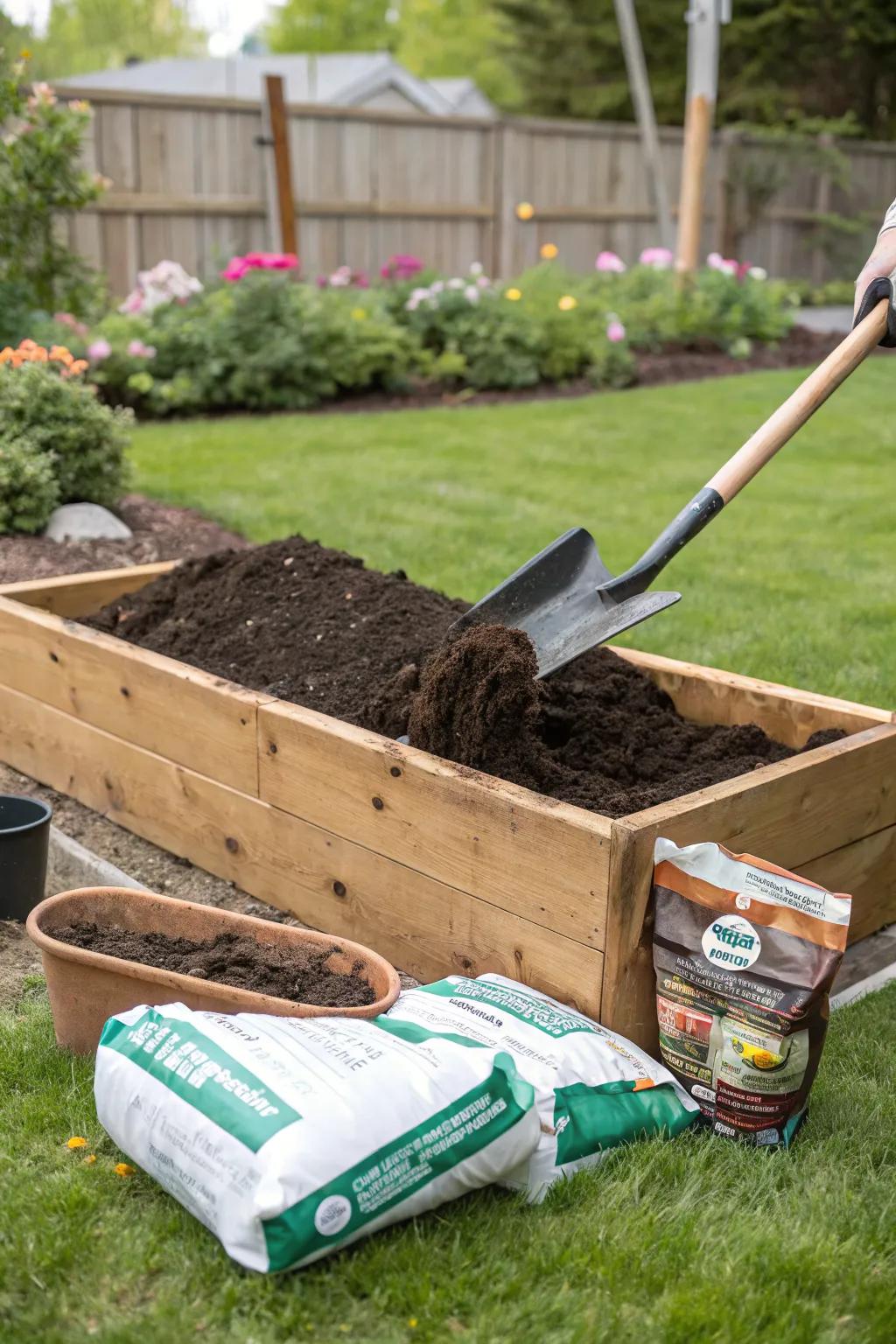
Whenever a client’s property has decent native soil, I blend it in as a middle layer—no need to pay for what you already have. It’s resourceful, and with a bit of compost on top, the plants never know the difference.
Make it happen with these:
- Compost soil amendment: Boost your garden’s health by topping off native soil with a nutrient-rich compost soil amendment.
- Raised bed soil mix: Enhance drainage and root development by adding a raised bed soil mix over your native soil layer.
- Garden spade or digging shovel: Make blending native soil and compost easier with a sturdy garden spade or digging shovel.
Can You Use Wood Chips? Only With Caution

I once mixed fresh wood chips throughout a bed, thinking it would add structure—big mistake. Now, I use a thin layer of aged, untreated wood chips only at the very bottom, well below the root zone, to avoid nitrogen loss.
Essentials for this look:
- Aged, untreated wood chips for gardening: Choose aged, untreated wood chips to add to the base of your raised garden bed with care.
- Raised garden bed liner: Use a garden bed liner to help prevent soil and wood chip mixing, protecting plant roots.
- Soil test kit for nitrogen levels: Monitor nitrogen levels in your raised bed and adjust practices as needed for healthy plant growth.
Stop Weeds Cold with Landscape Fabric

For clients plagued by tenacious weeds, I always install landscape fabric before anything else goes in. The crisp snap as I staple it down is the sound of future weeding headaches disappearing.
These products might help:
- Heavy Duty Landscape Fabric Roll: Lay down this landscape fabric to help suppress weeds while allowing water through for healthy plants.
- Garden Fabric Stakes or Staples: Secure your landscape fabric in place with sturdy garden staples for a tidy and long-lasting installation.
- Garden Utility Knife with Replaceable Blades: Easily cut landscape fabric to fit your raised bed using a sharp utility knife designed for gardening tasks.
Unconventional: Add Pine Needles for Acidity-Loving Plants

One year, I experimented by layering pine needles under blueberries and hydrangeas—what a difference in color and vigor. The subtle scent of pine wafting up from the soil is a bonus.
A few helpful options:
- Compressed Pine Needle Mulch Bales: Enhance soil acidity and retain moisture by adding organic pine needle mulch to your garden beds.
- Soil pH Test Kit: Easily monitor your garden’s acidity to ensure optimal conditions for blueberries and hydrangeas.
- Heavy Duty Garden Gloves: Protect your hands while spreading pine needles or planting in your raised beds with durable gloves.
Can Rocks Help? Sometimes They’re a Mistake

I once filled the bottom of a bed with rocks, hoping for better drainage, but plants struggled with shallow roots. Now I steer clear—rocks just get in the way and don’t boost soil health.
These products might be useful:
- Raised garden bed liner: Protect your soil while improving drainage—add a garden bed liner for healthier plant roots and easier cleanup.
- Organic compost for garden beds: Enrich your bed’s soil by mixing in organic compost to support robust plant growth and soil health.
- Premium planting soil mix: Fill your raised bed with a quality soil mix, giving plants the depth they need to thrive.
Unexpected: Try Coconut Coir for Water Retention

When a client wanted drought resilience, I lined her bed with coconut coir—it held moisture in the hottest weeks and kept her greens crisp. It’s an eco-friendly, lightweight alternative that surprises even longtime gardeners.
A few picks to consider:
- Coconut Coir Garden Bed Liner Rolls: Line your raised bed with coconut coir rolls to improve water retention and support plant growth.
- Compressed Coconut Coir Bricks for Soil Amendment: Add compressed coir bricks to your soil mix to enhance moisture retention and promote healthy roots.
- Bulk Coconut Coir Mulch for Raised Beds: Sprinkle coconut coir mulch on top of your soil to slow evaporation and protect delicate seedlings.
Bold Move: Use Hardware Cloth to Stop Burrowing Critters

In my own veggie beds, I learned the hard way that moles and voles love easy access. Now, I always line the bottom with hardware cloth—no more lost carrots, and the peace of mind is priceless.
Options that might work:
- Galvanized Hardware Cloth Roll: Line your raised beds with galvanized hardware cloth to help deter burrowing critters from below effortlessly.
- Garden Staple Stakes for Securing Mesh: Secure hardware cloth firmly in place with durable garden staples—keep your barrier steady and reliable.
- Heavy Duty Wire Cutters for Mesh: Cut and customize your hardware cloth to fit any raised bed size easily using strong wire cutters.


