Raised garden beds are the heart of so many thriving backyards here in Portland, but the real secret is what you put on top. Over the years, I’ve tested just about every type of cover—some worked like magic, others not so much—so let me share my favorite ideas that actually work in a real home garden.
Is a Sliding Polycarbonate Lid the Ultimate Upgrade?

On a design project last fall, I installed sliding polycarbonate lids on a set of raised beds, and my client raved about how easy it was to access her carrots and beets—no more heavy lifting. The panels glide smoothly and lock out frost and rain, making harvests a breeze.
Consider these options:
- Polycarbonate Panels for Raised Garden Beds: Upgrade your garden bed with durable polycarbonate panels to shield plants from harsh weather conditions.
- Sliding Greenhouse Lid Hardware Kit: Make accessing your crops easier by installing a sliding lid with a convenient hardware track kit.
- Adjustable Support Arms for Greenhouse Lids: Secure your garden bed lid open or closed with adjustable support arms for effortless daily access.
Install a Classic Hoop House for Early Starts

I still remember the thrill of pulling back the plastic on my first homemade hoop house and feeling the trapped warmth hit my face—those seedlings shot up weeks before my neighbor’s. With a few flexible PVC pipes, frost cloth, and some clips, you create a snug, mini-greenhouse that protects tender crops from frost and wind.
These products might be useful:
- Flexible PVC pipes for garden hoop house frames: Build a sturdy frame for your hoop house easily with these flexible PVC pipes for raised beds.
- Clear greenhouse plastic film sheeting: Protect your seedlings and capture extra warmth by covering your hoop house with clear greenhouse plastic film.
- Snap clamps for garden hoops: Secure your plastic film tightly to your hoop frame using these convenient snap clamps for garden beds.
Why Not Try a Hinged Wooden Frame Cover?

One of my clients, who was tired of wrestling with tarps, had me build a hinged wooden frame topped with polycarbonate panels—it swings open like a treasure chest and lets in all the light. Now, she gardens in comfort, rain or shine, and her lettuce never gets battered by spring storms.
Useful items to consider:
- Polycarbonate panels for garden beds: Protect your veggies from the elements—add durable polycarbonate panels for optimal light and insulation.
- Heavy-duty outdoor gate hinges: Secure your frame cover with sturdy outdoor hinges for smooth, easy lifting each gardening session.
- Weather-resistant wooden gardening frame kit: Create a custom cover with a weather-resistant wooden frame kit for lasting support and neat appearance.
Let’s Talk Insect-Blocking Mesh Domes

After losing an entire kale crop to cabbage moths, I learned the hard way that fine mesh netting over a curved frame is essential for pest control. The gentle hum of bees outside the mesh, unable to reach your greens, is oddly satisfying—and your plants stay pristine.
May just do the trick:
- Fine Mesh Garden Netting for Raised Beds: Shield your vegetables from insects while letting sunlight in—simply drape this fine mesh netting over hoops.
- Flexible Garden Hoops for Netting Support: Create sturdy dome-shaped frames by inserting flexible hoops directly into your raised garden beds with ease.
- Garden Netting Clips and Fasteners: Secure your mesh to hoop frames with easy-to-use clips, ensuring your cover stays in place throughout the season.
Could Shade Cloth Save Your Summer Harvest?

One scorching July, I watched my lettuce wilt in the midday sun until I draped a breathable shade cloth over my raised beds—it was like flipping a switch. The dappled shade kept everything crisp and lush, even as temperatures soared.
Possibly handy products:
- UV-resistant garden shade cloth for raised beds: Protect your plants from harsh sun by easily attaching UV shade cloth to your raised garden beds.
- Raised bed hoop house frame kit: Create a sturdy framework for your shade cloth with a hoop house kit for any raised bed.
- Shade netting clips and clamps set: Secure your garden shade cloth with strong netting clips, keeping it in place during windy weather.
Protect Your Crops With a Convertible Cold Frame

I built my first cold frame with old windows and a bit of scrap lumber, and it instantly became my go-to for hardening off seedlings. The clear panels trap heat by day and insulate by night, letting you start your growing season weeks ahead.
What you might need:
- Adjustable Cold Frame Greenhouse Panels: Extend your growing season by covering your raised bed with adjustable cold frame greenhouse panels.
- Heavy Duty Polycarbonate Greenhouse Sheets: Use durable polycarbonate sheets to create a weather-resistant and insulated cover for your garden bed.
- Stainless Steel Hinge Set for Cold Frames: Upgrade your cold frame lid with sturdy hinges for smooth opening and secure weather protection.
Experience the Magic of Row Covers
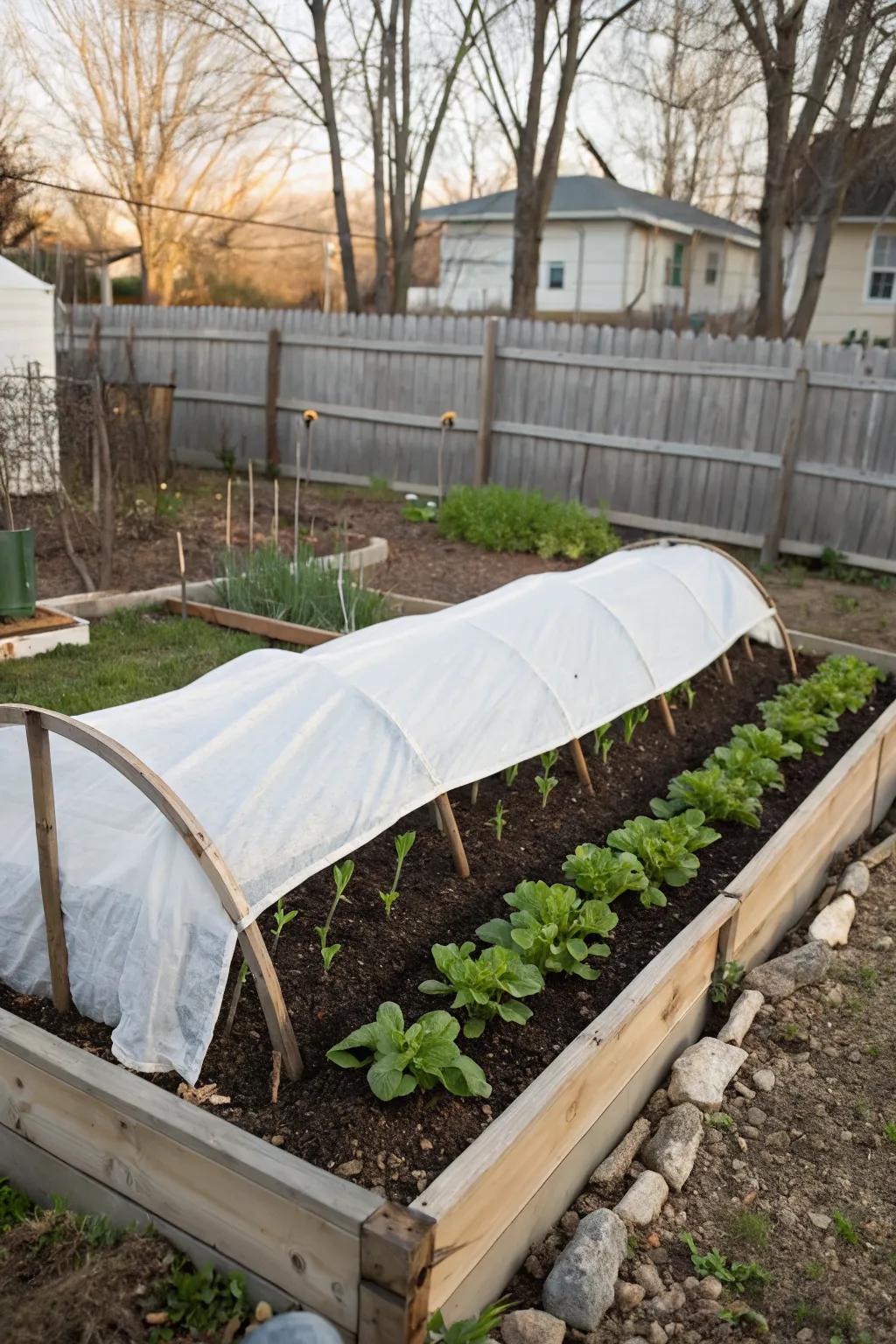
Last spring, I stretched lightweight row cover fabric over my beds and was amazed at how it shielded new seedlings from both frost and persistent squirrels. The material floats gently, creating a barrier that doesn’t smother delicate shoots.
The toolkit for this idea:
- Floating Row Cover Fabric for Raised Beds: Protect young plants from pests and cool weather—simply drape this breathable cover over your bed.
- Garden Tunnel Hoops for Row Covers: Create sturdy tunnels for your row covers with these easy-to-install garden hoops in raised beds.
- Garden Fabric Clips for Row Cover Securing: Secure your row cover with sturdy clips, keeping it in place against wind or curious animals.
Bold Move: Upcycle Old Umbrellas Into Portable Bed Covers

One rainy spring, I grabbed a broken patio umbrella, stripped the fabric, and anchored the frame over my herb bed—the result was a surprisingly chic rain shelter. It’s an out-of-the-box fix, but it kept the soil from washing out and became a neighborhood conversation starter.
Check if these fit your needs:
- Clear Patio Umbrella: Protect your raised bed from rain while letting in sunlight—choose a clear patio umbrella for visibility.
- Adjustable Umbrella Stand Base: Secure your umbrella frame easily with an adjustable stand made for various raised bed setups.
- Heavy Duty Zip Ties: Use reusable zip ties to anchor umbrella frames to raised beds and create flexible covers seasonally.
Transform With a Pop-Open Insect Tent

My favorite low-effort hack is popping a mesh tent right over a raised bed—no building or tools required, just instant pest protection. It’s a lifesaver for brassicas and strawberries, especially in peak bug season.
Products that may fit:
- Pop-up mesh garden bed cover: Protect your veggies from insects instantly with a simple pop-up mesh cover—no tools or setup required.
- Raised bed insect protection tent: Keep pests away from your plants by placing a breathable insect tent over your raised garden bed.
- Foldable garden netting tunnel: Use a foldable netting tunnel for quick installation and versatile pest defense on any raised bed.
Lightweight Frost Blankets: An Essential Lesson Learned

The first time a late frost hit, I scrambled for an old sheet and ended up crushing my spinach—it was a rookie mistake. Now, I keep lightweight frost blankets on hand, which protect without weighing down tender stems.
Grab the essentials:
- Lightweight garden frost protection fabric: Protect your crops from late frosts with breathable fabric that shields plants without crushing delicate growth.
- Hoop house frame kit for raised beds: Easily support frost blankets over your garden beds with these hoop frames, ensuring proper airflow and stability.
- Garden fabric clips for securing covers: Prevent frost blankets from blowing away by using handy clips to secure them tightly to your garden bed.
Add a Pop of Color With Painted Plywood Covers

Last year, I helped a creative client paint bold geometric patterns on simple plywood covers for her beds—not only did they keep out heavy rain, but the garden became a modern art gallery. They’re easy to prop up on sunny days and a fun project for families.
Suitable options for this:
- Exterior Wood Paint Set: Brighten up your plywood covers with weather-resistant outdoor paint—perfect for creating bold, lasting designs.
- Geometric Stencil Kit for Painting: Use reusable geometric stencils to easily add creative patterns for a fun and modern garden touch.
- Garden Bed Cover Support Brackets: Support and prop up painted plywood covers easily with adjustable brackets designed for raised garden beds.
Ever Consider a Modular Panel System?
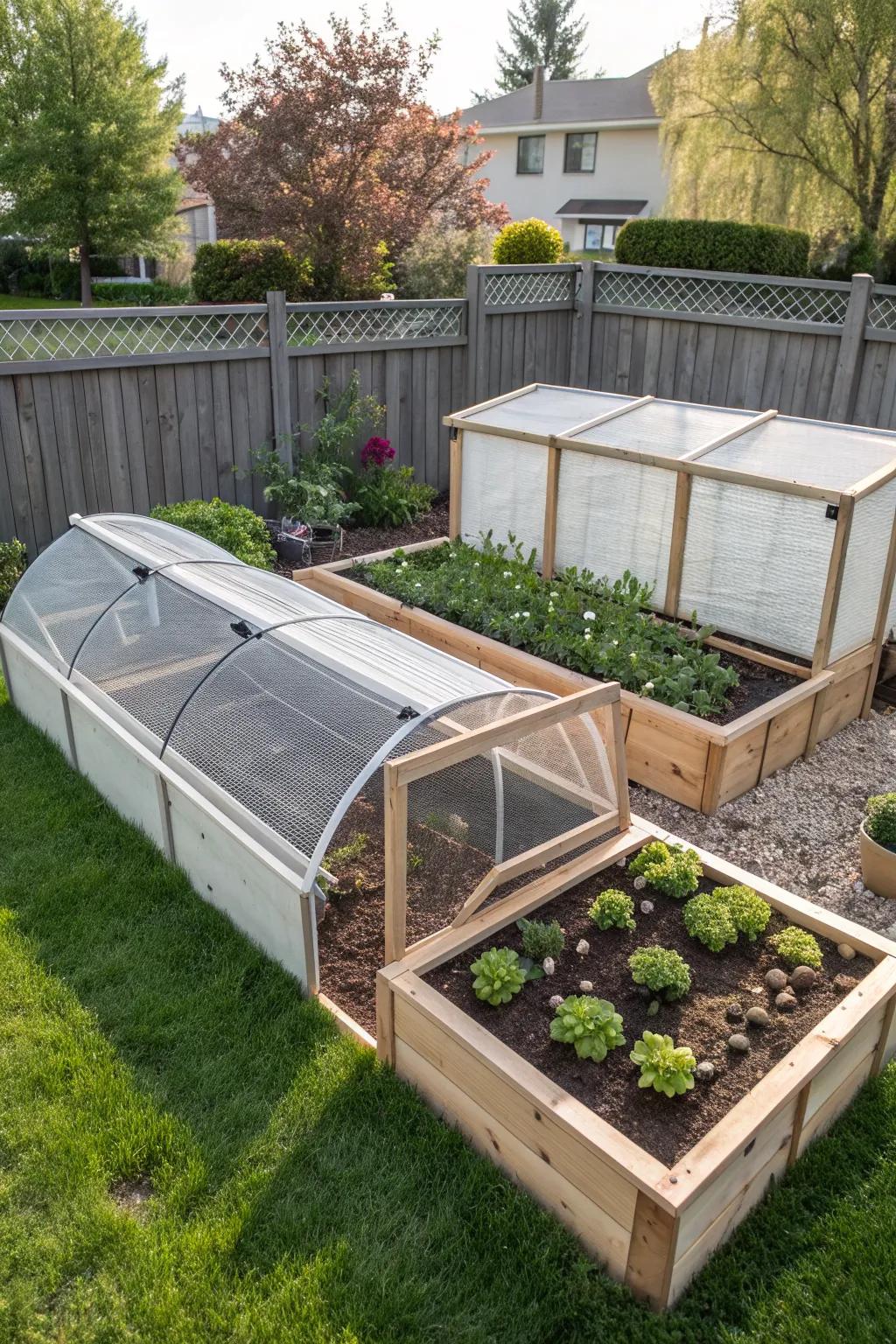
In one landscape redesign, I installed modular panels with interchangeable mesh and plastic inserts, so my client could swap them out as the weather changed. It’s a customizable solution that adapts to frost, pests, or heat—perfect for unpredictable seasons.
Some relevant options:
- Modular raised garden bed greenhouse panel kit: Protect plants year-round with a modular panel kit—swap inserts for frost, pests, or extended growing seasons.
- Interchangeable mesh and plastic panel inserts: Easily adapt to shifting conditions with panels for ventilation or temperature control in your garden beds.
- Raised garden bed cloche tunnel set: Shield your crops from unpredictable weather using cloche tunnels that are quick to install and adjust.
Are Individual Plant Cloches Enough for You?

One wet spring, I covered my tomato seedlings with cut-off plastic bottles as mini cloches—it looked odd, but each plant had its own greenhouse. This trick works wonders for protecting the first wave of transplants from unexpected cold or hail.
Helpful items for this idea:
- Reusable Plastic Garden Cloches: Protect young plants from harsh weather—try reusable plastic cloches for easy, individual coverage all season.
- Mini Greenhouse Dome Covers: Give seedlings their own protective dome—mini greenhouse covers help shield from wind, rain, and pests.
- Adjustable Ventilated Plant Cloches: Regulate airflow while protecting plants—adjustable ventilated cloches offer flexible coverage for fragile starts.
Go Unconventional With Recycled Window Sashes

One of my favorite upcycles: old window sashes propped atop a raised bed, creating a vintage cold frame with unbeatable charm. The glass lets in maximum sunlight while protecting delicate greens from chilly winds.
Items that may come in handy:
- Adjustable Window Sash Locks and Hinges: Secure your vintage windows in place on raised beds for stability and easy access to plants.
- Weatherproof Window Seal Strips: Seal gaps between recycled sashes to help retain warmth and protect your seedlings from drafts.
- Replacement Greenhouse Glass Panels: Swap in new glass panels for cracked window sashes to ensure maximum sunlight and plant safety.
Reduce Weeds With Mulch Mats Under Covers

I once battled relentless weeds until I started adding thick mulch mats beneath my bed covers—suddenly, weeding dropped to nearly zero. The mats block light and moisture loss, making life easier for both you and your plants.
Items that might be helpful:
- Natural Weed Barrier Mulch Mats: Suppress weeds and retain soil moisture by laying down these natural mulch mats under your garden cover.
- Biodegradable Plant Mats for Raised Beds: Make garden maintenance easier—use biodegradable plant mats to keep weeds down and soil healthy.
- Heavy Duty Landscape Fabric Rolls: Add a sturdy layer of weed protection with heavy duty landscape fabric made for raised garden beds.
Noise-Reducing Blanket: The Nighttime Experiment
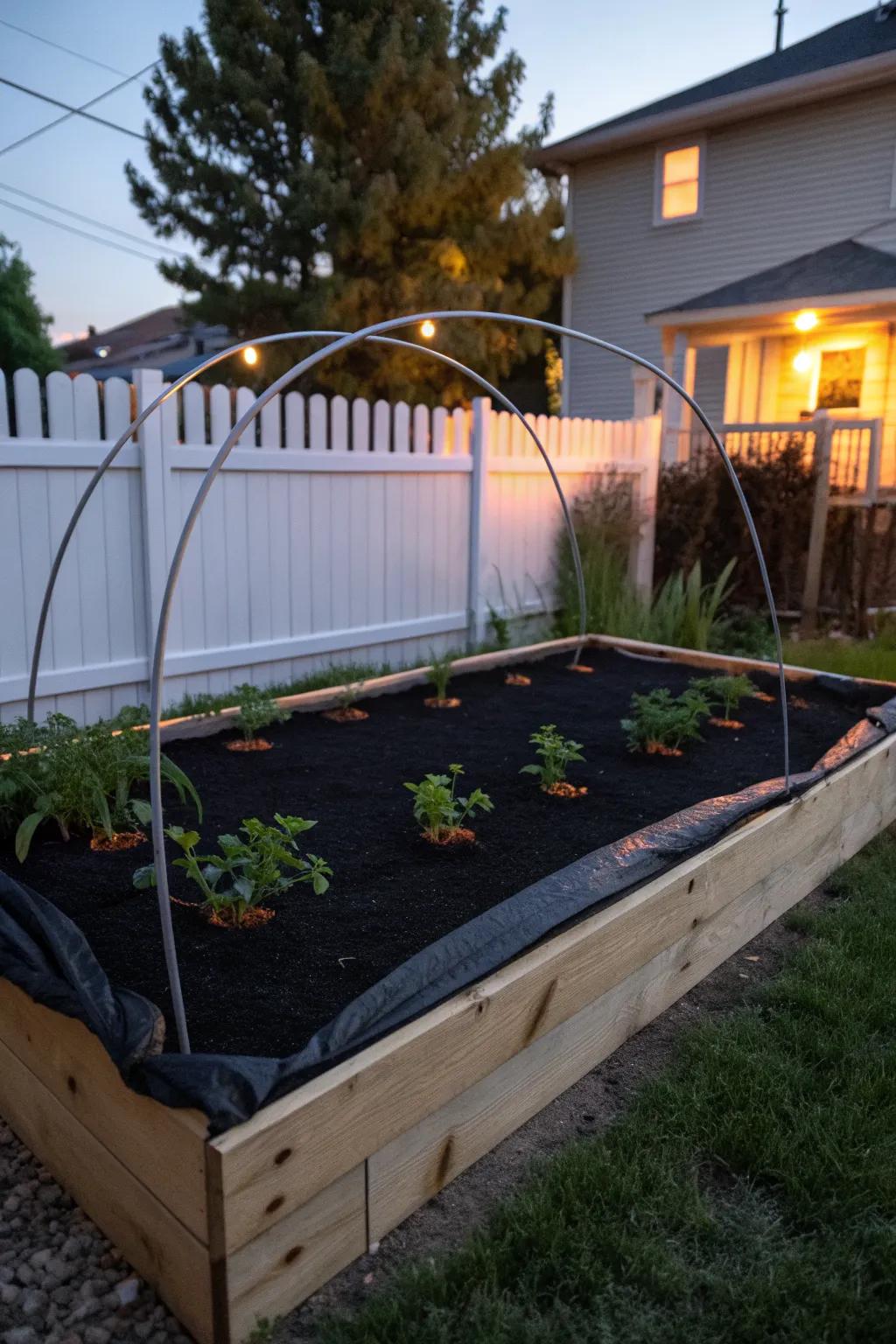
One particularly blustery night, I tossed a thick felt blanket over my hoop house and was surprised by how much quieter and warmer the garden felt in the morning. It’s a trick I now use for sensitive seedlings during spring storms.
These may be of interest:
- Heavy Felt Blanket for Outdoor Use: Drape a thick felt blanket over your hoop house to help dampen noise and retain warmth overnight.
- Water-Resistant Outdoor Garden Cover: Protect delicate seedlings and reduce wind noise by covering your raised bed with a garden cover at night.
- Thermal Greenhouse Blanket: Use a thermal greenhouse blanket to help keep your raised bed insulated from cold and breezy nights.
Maximize Pollination With Removable Mesh Sides

On a recent pollinator-focused project, I designed raised beds with mesh panels that can be quickly removed for bee-friendly hours—morning mesh, afternoon open. This way, you get pest protection without missing out on nature’s best helpers.
Something that could work:
- Removable mesh panels for raised beds: Easily protect plants from pests and allow bees access with versatile removable mesh panel covers.
- Garden bed mesh cover kits with frame: Install lightweight mesh cover kits to shield crops while supporting quick removal for pollinator access.
- Heavy-duty garden netting: Secure your crops from pests between pollinator visits using sturdy, reusable garden netting for raised beds.
Unexpected Solution: Use Old Shower Doors as Storm Shields

A neighbor once gifted me a pair of old glass shower doors, so I repurposed them as heavy-duty storm covers over my most vulnerable beds. They’re crystal clear, nearly indestructible, and the weight keeps them steady through even the wildest Pacific storms.
A few useful items:
- Clear Polycarbonate Panel Sheets: Protect your raised beds with durable clear panels that let in sunlight and shield against harsh weather.
- Adjustable Metal Brackets for Raised Beds: Securely support storm covers on your raised beds with sturdy, adjustable metal brackets for easy installation.
- Weather-Resistant Garden Bed Hinges: Easily lift and access your protected plants with weather-resistant hinges tailored for garden cover panels.
Simple Burlap Covers: Breathable, Biodegradable, Beautiful

When the weather is unpredictable but you still need airflow, I’ve draped burlap over beds for a rustic, breathable shield. It’s biodegradable, easy to handle, and looks right at home in a wild, naturalistic garden.
Some handy options:
- Natural Burlap Fabric Rolls: Protect your raised garden beds with breathable, eco-friendly burlap fabric that blends perfectly into any garden.
- Biodegradable Garden Twine: Easily secure your burlap covers in place using natural, biodegradable garden twine for a neat finish.
- Garden Staples for Burlap Securing: Anchor your burlap firmly with rust-resistant garden staples—simple to use and reusable for many seasons.
How About a Removable Plexiglass Dome?

For one balcony project, I custom-fit a clear plexiglass dome that could be lifted off in seconds—it was like giving the plants their own spaceship. The curved shape sheds rain and snow, and the crystal clarity lets you watch greens thrive all winter.
Explore these options:
- Clear Acrylic Dome Cover for Raised Garden Beds: Protect your plants with a transparent acrylic dome cover allowing sunlight and shielding from rain or pests.
- Removable Polycarbonate Greenhouse Cloche: Easily lift this lightweight polycarbonate cloche to create a mini-greenhouse for tender balcony plants.
- Balcony Raised Bed Greenhouse Kit: Try a compact greenhouse kit for your balcony raised beds to extend your growing season outdoors.
Try a Living Cover: Plant Cold-Hardy Annuals as a Blanket

Instead of a physical cover, I’ve sometimes sown a dense layer of cold-hardy annuals—like winter rye—right in the empty bed for living insulation. Come spring, the roots improve the soil and the green carpet keeps erosion and weeds at bay.
A few helpful options:
- Winter Rye Grass Cover Crop Seeds: Sow winter rye seeds to create a living mulch that protects and enriches your raised garden bed soil.
- Cold-Hardy Clover Seed Mix: Cover bare soil with clover seeds and suppress weeds while boosting nitrogen for spring planting.
- Organic Annual Cover Crop Seed Assortment: Choose an assortment of organic cover crop seeds to maintain soil health and prevent garden bed erosion.