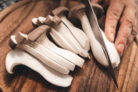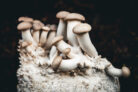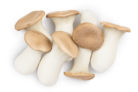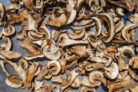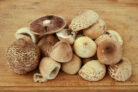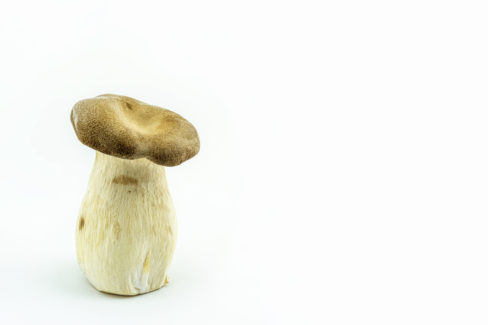
When it comes to flavor, King Oyster mushrooms are a dead ringer for Porcinis. But here’s the cool part: unlike Porcinis, you can actually grow King Oysters yourself on a simple bed of straw! If you’ve harvested a batch and they’ve been sitting in the fridge for a bit, you’ll want to give them a quick once-over to check for mold before you start cooking.
Is it Mold or Just Mycelium?
If you’ve got freshly picked King Oysters, you might notice a fine, white, cobweb-like fuzz appearing after just a few hours. Don’t panic! That’s actually mycelium, not mold. Mycelium is just the underground network mushrooms use to grow and spread. It’s perfectly natural and totally safe. If your mushrooms still look and smell fresh, you can just wipe that fuzz right off and carry on with your recipe.
How to Spot Real Mold
It’s a different story if those fuzzy patches aren’t white. If you see spots that are darker—think grey, green, or blue—there’s a very good chance you’re looking at mold. As it gets worse, these spots usually turn black and start to smell pretty funky. If you catch it early, you must cut out the affected parts before freezing, drying, or eating them. Of course, if the mold has really taken over, it’s better to be safe and toss the mushroom.
Keep ‘Em Cool
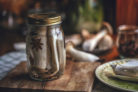
To keep mold at bay after your harvest, I recommend cleaning your King Oysters right away and then wrapping them in a damp paper towel or kitchen cloth. Stored like this in the fridge, they’ll stay fresh for up to ten days. If you know you won’t get to them by then, your best bet is to dry them, freeze them, or even pickle them in vinegar and herbs for long-term storage. Just a heads-up: if they’ve been in the fridge for more than a week, give them a extra-thorough inspection.
Signs to Look For
Mold isn’t always super obvious right away; those tell-tale black spots usually only show up when it’s too late. You should always double-check your mushrooms right before cooking, especially if you’re planning on eating them raw in a salad. Here’s my quick checklist:
- Do they still look fresh, without any slimy or soft, rotting spots?
- Give them a sniff—do they still have that pleasant, earthy mushroom smell?
- Are the cap and stem still firm and springy with a healthy color?
- Is the color consistent across the whole mushroom?
If you’re ever unsure, slice the mushroom in half to get a better look at the inside. And remember the golden rule of mushroom foraging and cooking: When in doubt, throw it out!