With their distinctive, wing-like petals, legumes (or *Fabaceae*) are a real standout in any landscape. Beyond the famous varieties everyone knows, there are a few hidden gems just waiting to be discovered. Here are some of the most popular picks for your garden.
[[plants]]
++Purple Crown Vetch (Securigera varia)
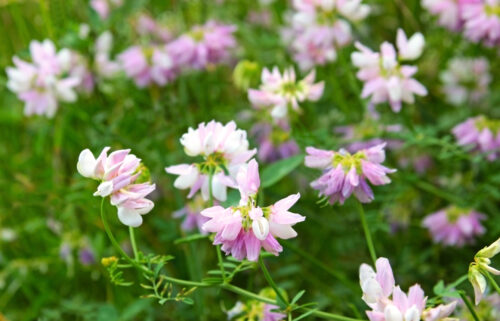
You’ve probably spotted the white-and-purple blooms of Crown Vetch growing wild along roadsides or in open fields, but it’s actually a fantastic choice for home gardens too. This legume wins points for being incredibly low-maintenance and having a marathon blooming season. From May all the way through September, these lovely flowers keep coming, providing a steady food source for bees and other helpful pollinators.
++Siberian Peashrub (Caragana arborescens)
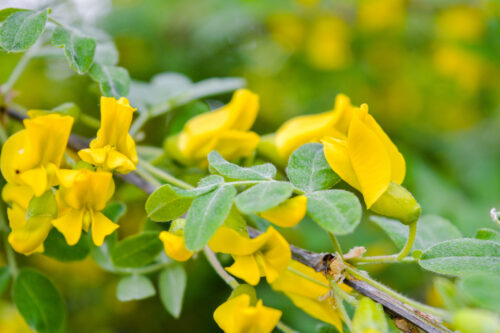
The Siberian Peashrub sports bright yellow blossoms with that classic “butterfly” shape typical of this plant family. It’s a huge hit with bees, which is why you’ll often find it in wildlife sanctuaries and naturalistic gardens. Just a heads-up: unlike the peas you buy at the grocery store, the pods on this shrub aren’t for human consumption. But what it lacks in snacks, it more than makes up for with its cheerful spring display.
++Black Locust (Robinia pseudoacacia)
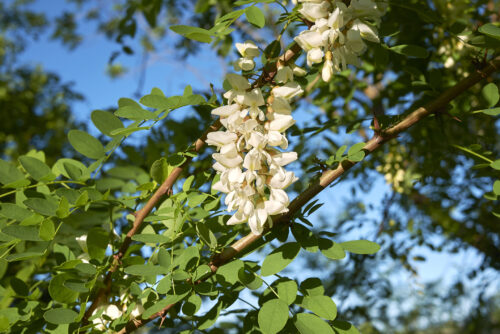
If you’re looking for fast results in a new garden, the Black Locust is a speed demon. These trees produce stunning white clusters of flowers that are packed with nectar—basically a five-star restaurant for local bees. Gardeners love them because they’re tough as nails. While they can soar to over 60 feet tall, don’t let that intimidate you; they handle pruning well, so you can keep them at a size that fits your space.
++Large-Leaved Lupine (Lupinus polyphyllus)
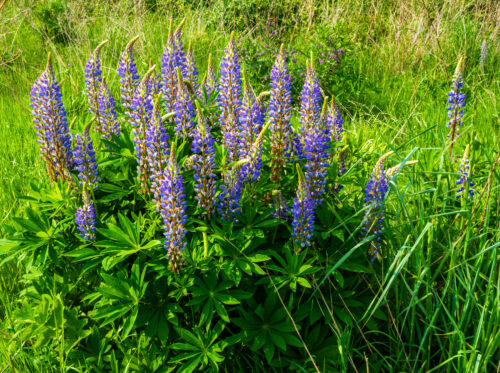
Reaching heights of up to four feet, the perennial Lupine is a true showstopper. During its peak season, it sends up tall spikes of flowers in gorgeous shades ranging from soft pink to deep violet. These plants are so hardy and easy-going that they often escape into the wild, but with a little bit of deadheading, you can keep them right where you want them. Either way, they’re guaranteed to create a stunning carpet of color.
++Chinese Wisteria (Wisteria sinensis)
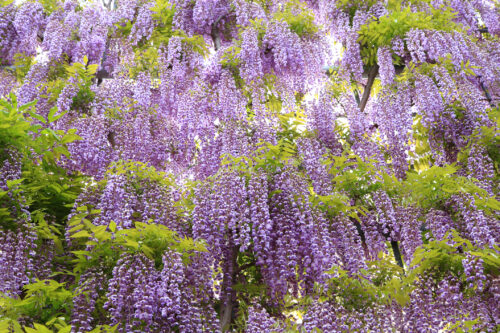
For a touch of romance, nothing beats Chinese Wisteria. Between May and June, this vine transforms into a literal waterfall of color, with flower clusters trailing down about 12 inches long. Not only is it a magnet for bees, but it also fills the air with an incredible fragrance. It’s no wonder Wisteria is a top-tier favorite for gardeners looking to add some “wow” factor to pergolas or fences.
++Scotch Broom (Cytisus scoparius)
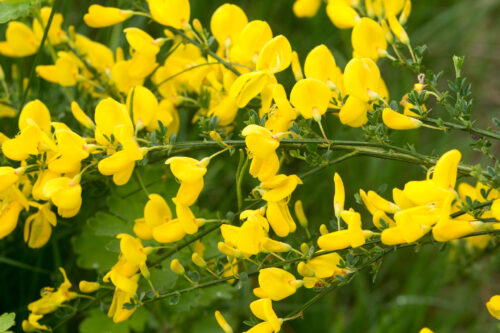
Scotch Broom is an absolute classic. You’ve likely seen its vibrant yellow flowers in backyard gardens and public parks alike. It’s one of the first plants to announce that spring has officially arrived, bursting into bloom as early as April. These shrubs can grow to be about six feet tall, and when they’re in full bloom, the sheer volume of yellow flowers is enough to brighten anyone’s day.
++Golden Chain Tree (Laburnum anagyroides)
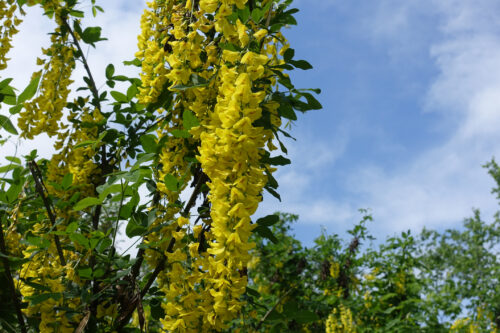
The Golden Chain Tree is a legendary garden staple. Starting in May, it lives up to its name by producing long, hanging “chains” of brilliant yellow flowers. It’s one of the most impressive members of the legume family, but there are two things to keep in mind: it needs a decent amount of room to grow, and it is toxic if ingested. As long as you have the space and keep safety in mind, it’s a breathtaking addition to any yard.
%%Peanut (Arachis hypogaea)