Few things bring a garden to life like a pond that looks as if nature put it there herself. Over the years designing outdoor spaces, I’ve learned that the details at the water’s edge can make or break your pond’s appeal to wildlife—and to you.
Bold Claim: Stepping Stones Bring You Closer to Nature

Clients love when I set natural stepping stones across a pond’s edge, turning a border into an interactive path. Not only do they create perfect wildlife viewing platforms, but they also provide hiding spots for beetles and frogs beneath.
Useful items to consider:
- Natural Stone Garden Stepping Stones: Create a charming, natural pathway alongside your pond and invite wildlife closer for peaceful viewing.
- Decorative Gravel for Pond Edging: Enhance your pond’s edge with rustic gravel, supporting plant growth and safe, stable stepping stone placement.
- Aquatic Marginal Plants for Ponds: Add marginal pond plants between stepping stones to boost habitat diversity and natural beauty at water’s edge.
Let Wild Grasses Take Over the Margins
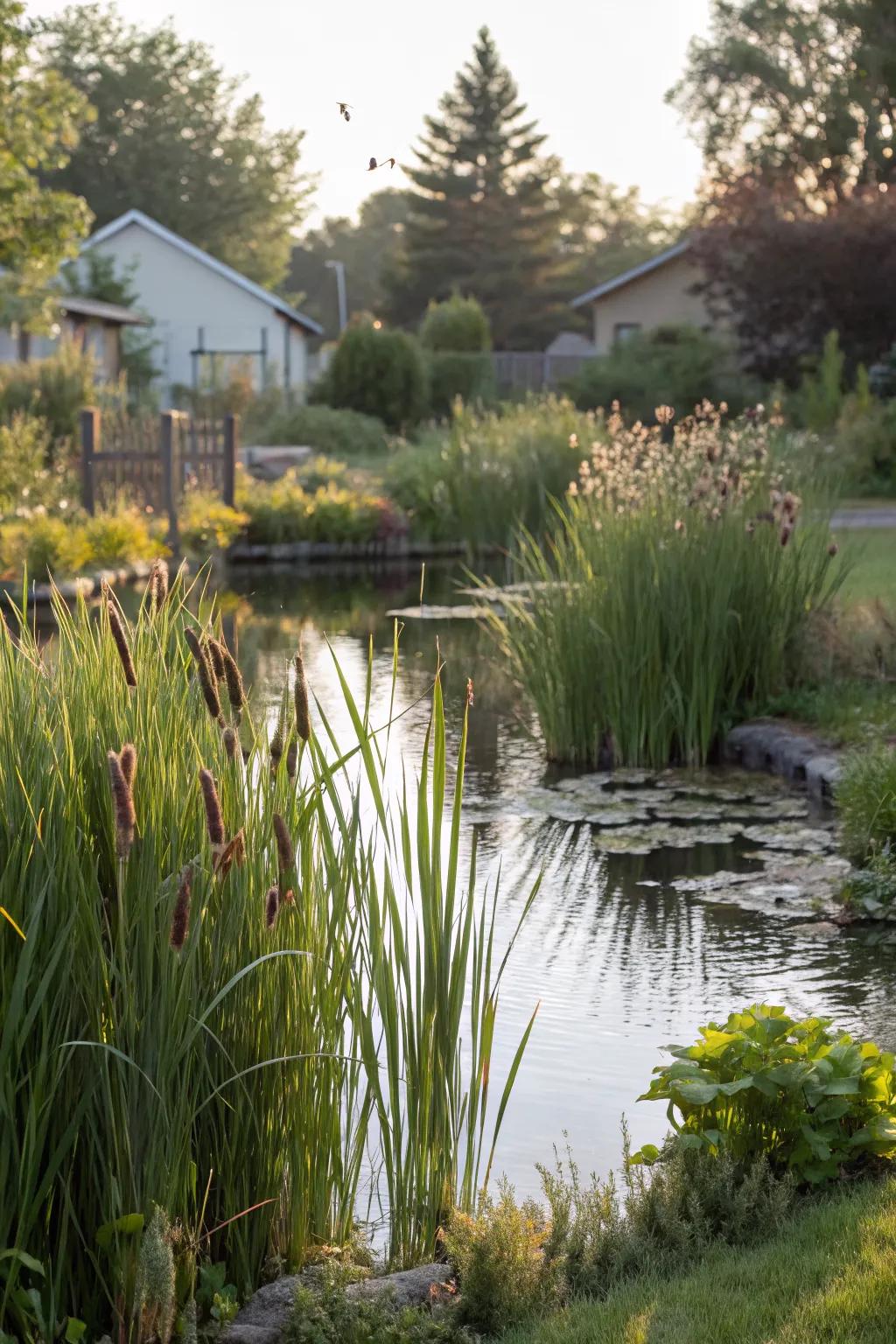
I used to keep pond edges meticulously tidy, but after letting native grasses grow wild along one side, I watched frogs, dragonflies, and even a hedgehog take up residence. Now, I always recommend this approach for clients who want a pond that hums with life and sways gently in the breeze.
Might be a good match:
- Native Grass Seed Mix for Ponds: Easily establish natural pond edges by sowing native grass seed mixes ideal for moist, wildlife-friendly habitats.
- Aquatic Planting Baskets: Use aquatic planting baskets to contain grasses while allowing roots to filter water and stabilize edges.
- Wildlife Pond Edge Mats: Install wildlife pond edge mats to encourage native grasses and provide safe habitats for small animals.
Embrace Mossy Boulders for Natural Shelter

I’ll never forget the transformation when we added moss-covered boulders along a shady pond edge—a lesson in how texture and shade matter as much as shape. The rocks create cool, moist hideaways for toads and add an ancient, woodland feel to even the smallest garden pond.
Helpful items for this idea:
- Realistic Moss Garden Rocks: Add instant woodland charm to your pond edge with lightweight, moss-effect rocks—easy to arrange anytime.
- Moss Spores for Rocks and Shade Gardens: Encourage lush, natural moss growth on stones by applying easy-to-use moss spores in your shaded areas.
- Large Landscape Boulders for Garden Edging: Create varied terrain and toad habitats by outlining your pond with natural-looking landscape boulders.
Layer Shelves for Diverse Pond Zones

In my own garden, I carved out shallow shelves right at the edge, planting them with marsh marigold and creeping jenny. Layered pond zones mean dragonflies can emerge safely, and newts always have a place to hide—nature prefers a gradient, not a cliff.
Some handy options:
- Pond Shelf Planting Baskets: Add pond planting baskets to your shelves for secure and organized placement of marginal plants.
- Marginal Aquatic Plant Collection: Enhance your pond edge with ready-to-plant marsh marigold and other marginal aquatic plants.
- Natural Pond Edge Rocks: Use natural-looking pond edging rocks to support shelves and create gentle, wildlife-friendly gradients.
Can Large Logs Become Wildlife Highways?

When I placed a half-submerged log across a client’s pond edge, I was amazed how quickly it became a favorite crossing for squirrels, a basking spot for frogs, and a bridge for insects. It’s an easy, unexpected way to offer access and microhabitats without spending a dime.
Check if these fit your needs:
- Decorative Resin Garden Logs: Easily add safe crossing spots for pond wildlife with realistic decorative resin logs for your garden.
- Wildlife Pond Bridge: Create a natural-looking wildlife crossing with a ready-made wooden pond bridge for frogs and insects.
- Artificial Frog and Animal Pond Decorations: Enhance your wildlife pond scene by placing weather-resistant frog or animal figures for visual interest.
Add a Dense Planting Buffer for Privacy
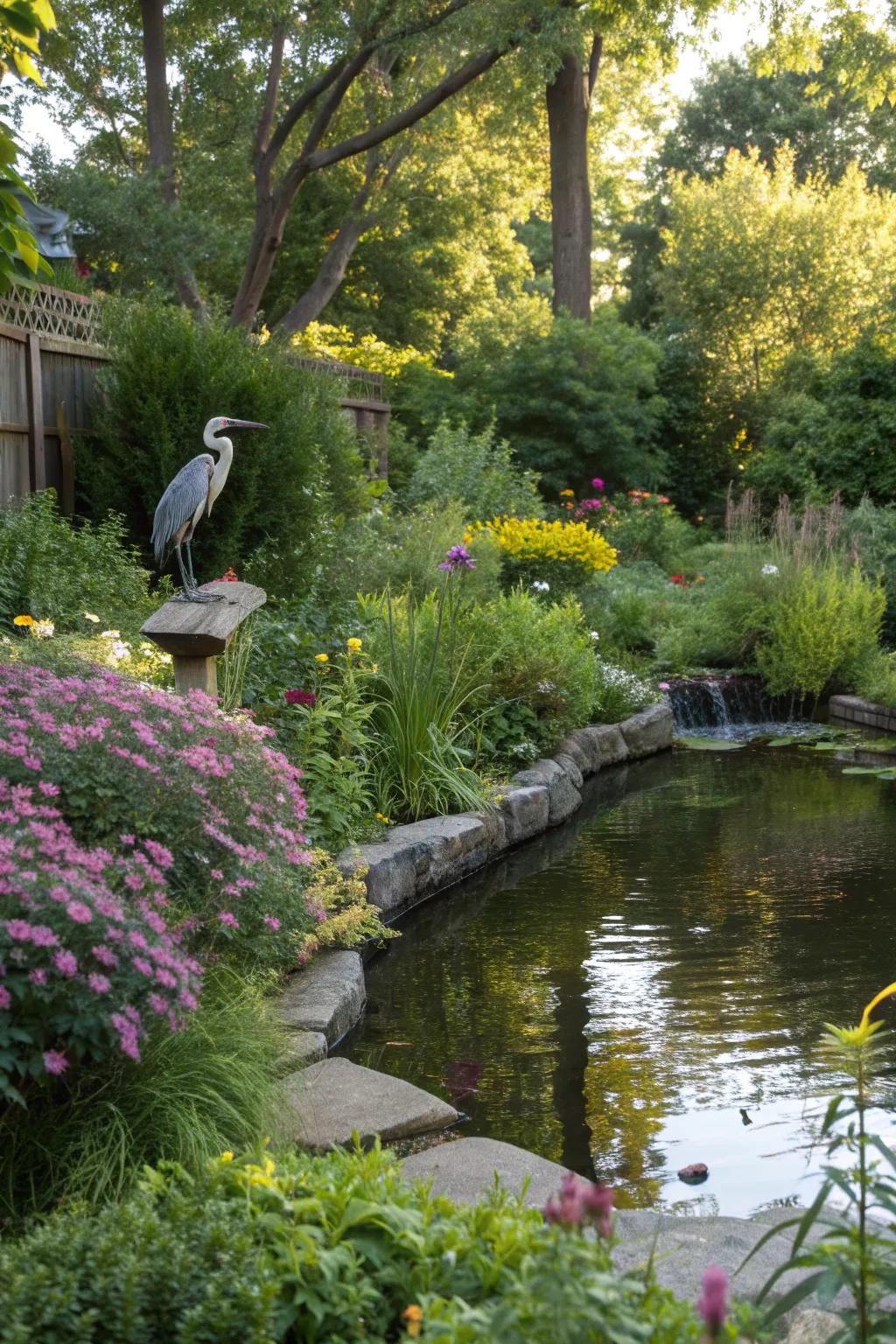
I once watched a shy songbird hesitate at the edge of an open pond, so now I plant dense shrubs or flowering natives on at least one side. This creates a safe landing for birds and a hidden retreat for pollinators—your pond’s own secret garden.
Items that may come in handy:
- Native Flowering Shrub Seeds Mix: Start your privacy buffer with easy-to-grow native flowering shrubs, attracting birds and pollinators naturally.
- Pond-Side Wildlife Shrub Starter Plants: Enhance your pond’s privacy and attract wildlife by planting hardy pond-side shrub starter kits.
- Privacy Garden Shrubbery Collection: Create a lush privacy screen by planting a curated collection of fast-growing garden shrubbery around your pond.
Install a Flat Stone Platform for Birds to Drink

On a hot afternoon, nothing draws birds like a flat flagstone that dips into the pond—just high enough to stay dry, low enough to sip from. After adding one to my own garden, I’ve spotted everything from finches to foxes stopping by for a drink.
A few picks to consider:
- Natural Flagstone Pavers: Create inviting platforms for birds to drink by adding stable natural flagstone pavers to your pond edge.
- Pond Edge Landscaping Stones: Enhance your wildlife pond with durable landscaping stones that blend seamlessly into natural settings.
- Large Stepping Stones for Gardens: Offer easy access for birds and other wildlife by placing large, flat stepping stones at the water’s edge.
Will a Shallow Bog Zone Attract More Life?

After accidentally over-excavating a pond margin, I filled the dip with bog-loving plants and shallow water, and it became a magnet for newts and dragonflies. Sometimes, those little mistakes become the most wildlife-rich features in the whole garden.
These products might help:
- Assorted Bog Plant Packs for Ponds: Introduce beautiful plant diversity to your bog zone and attract more wildlife with mixed aquatic plants.
- Flexible Pond Edging Stones: Create a natural-looking barrier and help shape your shallow bog area with easy-to-install pond edging stones.
- Pond Water Testing Kits: Ensure healthy water conditions for your new bog-loving plants and wildlife by regularly testing pond water quality.
Sensory Snapshot: Hear the Waterfall, See the Wildlife

The sound of a small rocky waterfall tumbling into a pond edge not only soothes the soul but also oxygenates the water, attracting frogs and birds alike. I love how a cascade, framed by mossy stones and ferns, becomes a magnet for wildlife in every garden I design.
Products that may fit:
- Solar Pond Waterfall Pump Kit: Add movement and soothing sound to your wildlife pond while boosting oxygen for aquatic life.
- Natural Moss Rock Garden Stone: Enhance your pond edges with natural mossy stones to create soft, wildlife-friendly hiding spots.
- Artificial Heron Garden Statue: Invite visual interest and help deter unwanted fish predators with a lifelike heron pond guardian.
Can You Hide the Pond Liner with Planting?
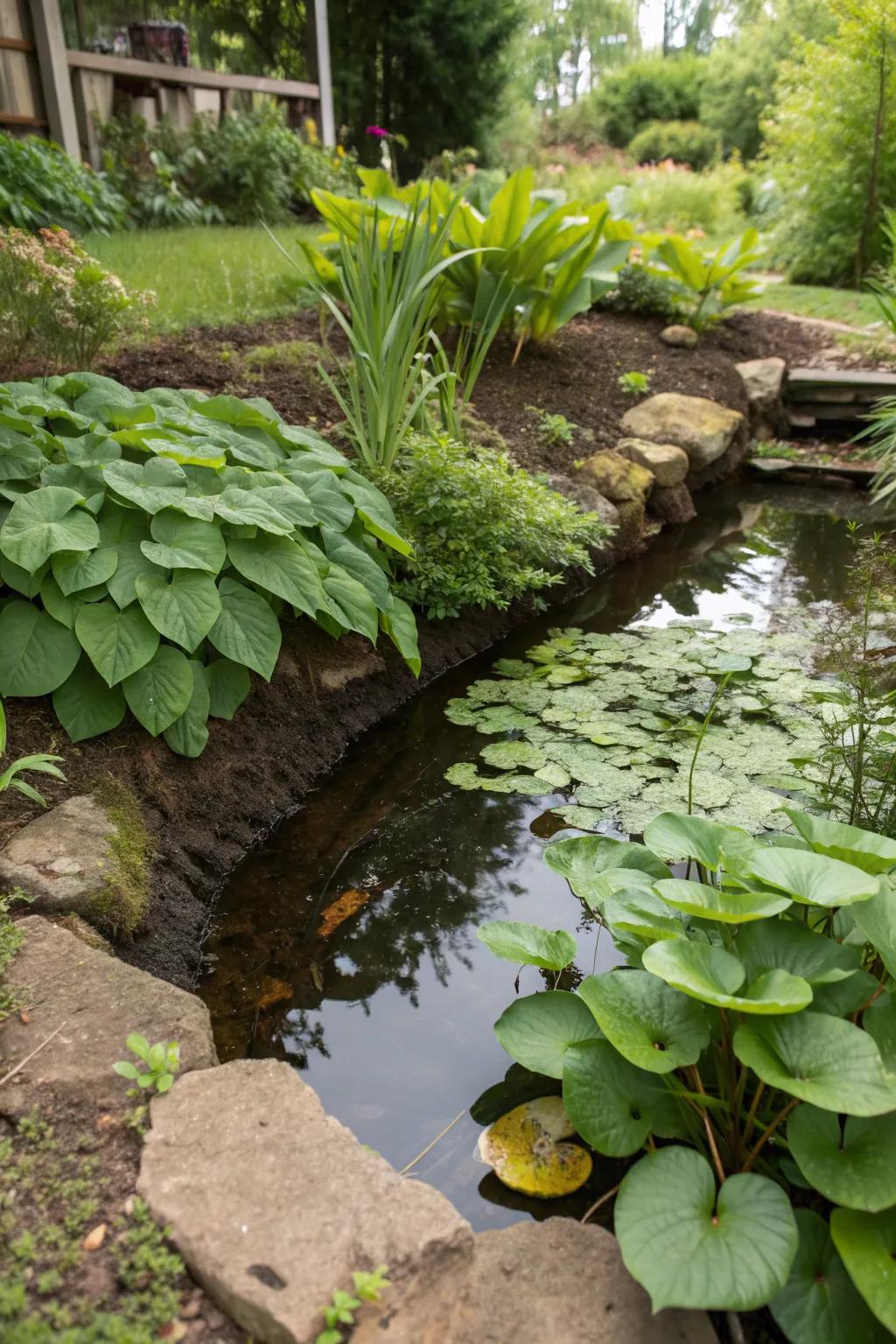
A lesson I learned early: nothing spoils a natural pond vibe like visible liner. Now, I always tuck the liner under a thick layer of soil and let groundcovers and marginals spill over, disguising the edge and giving wildlife a true-to-nature landing zone.
Possibly handy products:
- Hardy Groundcover Plants for Pond Edges: Enhance your pond’s look with dense groundcover plants that beautifully hide liner and prevent erosion.
- Marginal Aquatic Plants for Ponds: Add marginal plants around your pond and create lush, natural banks that blend seamlessly with water.
- Decorative Natural Stones for Pond Borders: Use natural decorative stones to secure pond edges and help blend the border into your garden landscape.
Unexpected: Use Pre-Planted Coir Logs as Living Edges

I once experimented with pre-planted coir logs along a steep bank, and was amazed at how quickly they knitted together a lush edge of native sedges and rushes. These biodegradable logs offer an instant, erosion-proof living margin that’s both practical and packed with habitat.
The toolkit for this idea:
- Pre-Planted Coir Logs: Create a living pond margin instantly—just lay these ready-to-grow coir logs along your bank.
- Native Aquatic Plants for Margins: Enhance habitat by planting native sedges, rushes, and irises to blend your pond edge beautifully.
- Pond Planting Baskets: Easily install and contain pond-edge plants with durable and reusable planting baskets for stability.
Question: Can a Tree at the Pond Edge Help Wildlife?

Planting a small tree—like an ornamental willow or native shrub—near the pond can create dappled shade, cool the water, and give birds a safe perch. I always check that roots stay clear of liners, but the added structure and seasonal color are worth it for both wildlife and people.
Items that might be helpful:
- Ornamental Willow Tree Sapling or Native Shrub: Add instant structure and seasonal shade to your pond by planting an ornamental willow or native shrub.
- Bird Perch or Decorative Garden Branch: Give local birds a safe landing and rest spot with a natural-looking bird perch near your pond.
- Root Barrier Fabric for Pond Edges: Install a protective root barrier to keep tree roots away from pond liners and prevent liner damage.