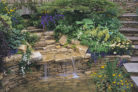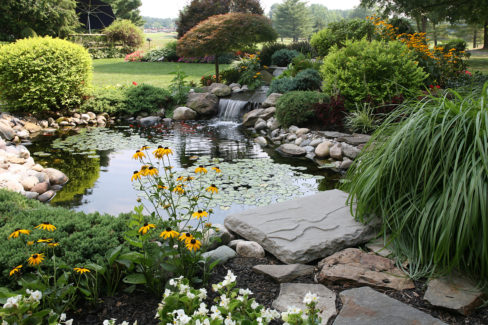
There’s nothing quite like the sound of water to turn your backyard into a peaceful retreat. If you’ve been dreaming of a natural pond, you’re in the right place! Building your own DIY pond is a fantastic way to boost your garden’s “wow” factor and create a little slice of paradise. Here’s a step-by-step guide to help you get started.
Getting Your Ducks in a Row
Before you grab a shovel, you need a solid plan. It’s not just about picking a sunny spot; you also need to think about how deep you want it, which plants you love, and whether you want to share the space with fish or local wildlife.
Pro tip: Check with your local building department or HOA first. Depending on how big or deep you’re going, you might need a permit before you start digging.
Picking the Perfect Shape
When it comes to a natural pond, you can pretty much let your creativity run wild, but soft, organic shapes like ovals or kidneys usually look the most “at home” in a garden. Plus, they’re easier to maintain! Since a truly natural pond relies on plants rather than high-tech filter systems to stay clean, finding that biological balance is key.
Building Your Pond: Step-by-Step
Ready to get your hands dirty? Here’s the basic workflow to get that pond up and running:
- Dig out the basin using a spade (or a mini-excavator if you’re going big!). Make sure to create different depth zones as you go.
- Line the hole with a protective pond fleece (underlayment) followed by a high-quality pond liner.
- Add a bed of gravel and secure the edges of the liner with heavy decorative stones.
- Get your greenery in the ground (or water!) with a mix of marsh and aquatic plants.
- Fill ‘er up with water.
- Once the ecosystem has settled, introduce your fishy friends.
The Big Dig
When you’re excavating, don’t just dig a uniform bowl. You want to create “shelves” or tiers. This is great for plant variety and helps local critters climb out if they fall in. Aim for these three zones:
- The Marsh Zone: About 8 inches deep around the outer edge.
- The Shallow Water Zone: Between 8 and 24 inches deep.
- The Deep Zone: At least 4 feet deep in the center.
While the gravel bed usually holds the liner down just fine, using larger boulders around the rim adds a beautiful, finished look and keeps everything tucked in place.
Green Thumb, Blue Water
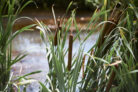
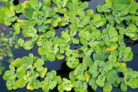
A pond really comes to life once the plants go in. For the marshy edges, I love using Marsh Marigolds for a pop of yellow or Water Plantain. For the deeper sections, you can’t go wrong with classic Water Lilies, Arrowhead, or Pickerelweed. The goal is to create a self-sustaining biotope where the plants and fish work together to keep the water clear and healthy.
Adding Fish to the Mix
If you’re planning on keeping fish, size definitely matters. To keep them happy and healthy, your pond should be at least 65 square feet in surface area and at least 4 feet deep. That extra depth is crucial—it ensures the water doesn’t freeze solid in the winter, giving your fish a safe place to nap until spring!