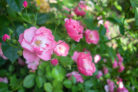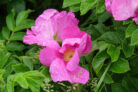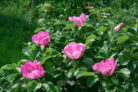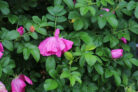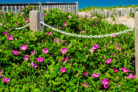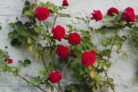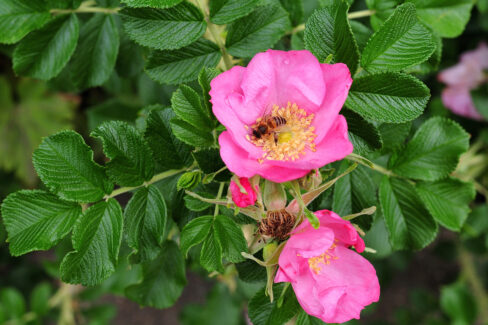
The Beach Rose (also known as the Rugosa Rose or Saltspray Rose) is one of the toughest wild roses you’ll ever meet. Originally from the coastal regions of East Asia, it has made itself right at home across the United States, from the breezy Atlantic coast to the Midwest. Because it’s so hardy, it’s a favorite for gardeners looking to create a beautiful, low-maintenance hedge.
Light and Soil Requirements
The Beach Rose loves a spot in full sun but can handle a bit of light shade. This plant is a survivor—it shrugs off wind, salty sea air, drought, heat, and even bitter frosts. Honestly, it’s a great fit for just about any climate! When it comes to soil, it isn’t picky at all. It thrives in poor, sandy soils that other plants might hate. Just a heads-up: if your soil is too alkaline (high lime content), the leaves might turn yellow—a condition called chlorosis.
Planting Your Roses
One thing to know about the Beach Rose is that it loves to spread via underground runners. To keep it from taking over your yard, I recommend installing a root barrier (like heavy-duty landscape fabric or pond liner) when you plant.
You can get these in the ground during the spring or fall. Aim for about three to five plants per square yard. It’s actually better to give them some breathing room since they grow quite vigorously both in height and width. Here’s a quick step-by-step for planting:
- Pick a sunny spot.
- Loosen up the soil.
- Dig a nice, roomy hole.
- Install your root barrier.
- Add some drainage (these roses hate “wet feet” or standing water).
- Set the plant in the hole.
- Fill with soil, press down firmly, and mound it slightly at the base.
- Give it a good watering.
- Skip the fertilizer—they really don’t need it!
Ways to Use Them in Your Landscape
The Beach Rose is a real looker and incredibly versatile. You can use it:
- As a natural privacy screen.
- To define your property line or garden beds as a flowering hedge.
- As a standalone focal point.
- In your front yard for curb appeal.
- To line a driveway.
- In large containers or planters.
Care and Maintenance
The Beach Rose is the definition of “low maintenance.” If you put it in the right spot, it’ll be happy for years. The only real “must-do” is a good pruning and shaping in early spring. If left to its own devices, it can quickly turn into an overgrown thicket that’s hard to manage. I find it’s best to keep them at about five feet tall. Don’t be afraid to give them a haircut; they handle pruning beautifully and will reward you with vigorous new growth and plenty of blooms.
And here’s a pro tip: those large, fragrant flowers look absolutely stunning in a vase on your kitchen table!