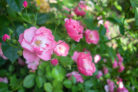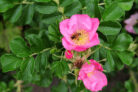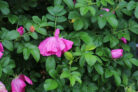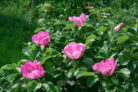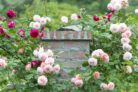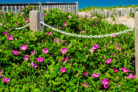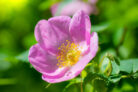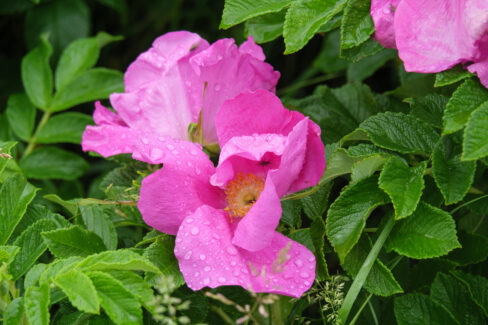
Apple roses (also known as Rugosa roses) are true wild beauties. Compared to your typical high-maintenance garden roses, these guys are incredibly easy to care for and tough as nails. However, if you want them to thrive without taking over your entire yard, there are a few things you should keep in mind. With the right start, your apple roses will be a highlight of your garden for years to come.
Keep That Growth in Check
The name “apple rose” actually comes from the lovely fragrance the flowers give off—it smells just like fresh apples! Because these are wild plants, they aren’t picky at all and can handle even poor, sandy soil. As long as they get plenty of sun, they’ll grow like crazy even without regular fertilizer. But honestly, that vigor can be a bit of a double-edged sword.
These roses spread via underground runners called rhizomes. If you don’t set some boundaries, they’ll quickly wander into parts of your garden where they weren’t invited. To keep them in their place, I highly recommend installing a root barrier (rhizome barrier) when you plant them. This keeps the plant contained so it doesn’t turn into an unplanned takeover of your lawn.
How to Plant Apple Roses in Your Garden
The best times to get these in the ground are during the fall or early spring. Simply dig your planting holes and set the roses in. Once they’re in the ground, it’s a great idea to give your apple roses a quick prune. Just make sure to leave at least one bud on every stem so they can bounce back strong.
Quick Checklist:
- Install a root barrier around the designated growing area.
- Give the plants an initial pruning right after planting.
- Give them a good, deep soak immediately after they’re in the ground.
Once you’ve finished planting and pruning, make sure to water them well. If the weather stays dry over the next few weeks, keep an eye on them and water regularly. They need a bit more moisture than usual while they’re establishing their root systems. Once they’re settled, they’re pretty self-sufficient unless there’s a major drought. By the way, they also work beautifully if you want to plant them as a hedge!