Unique houseplants are total showstoppers, thanks to their wild leaf shapes, crazy patterns, and one-of-a-kind textures. If you’re looking to level up your indoor jungle, we’ve rounded up the seven most popular rare plants on the market right now—plus a little “insider tip” you won’t want to miss.
[[pflanzen]]
++Philodendron Pink Princess (Philodendron erubescens)
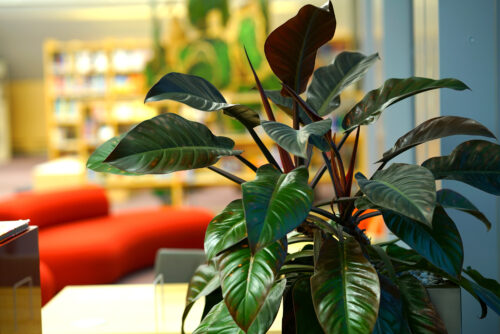
This rare beauty is a stunning mutation of a Philodendron native to Colombia. Its claim to fame? Those jaw-dropping splashes of bright pink variegation. The pink isn’t just on the leaves; it often shows up on the stems, too, making the whole plant look like it’s been dipped in neon paint. The dark undersides of the leaves provide a moody, gorgeous contrast. To keep those pink colors popping, make sure your “Pink Princess” gets plenty of bright, indirect light.
++Monstera Dubia, Shingle Plant (Monstera dubia)
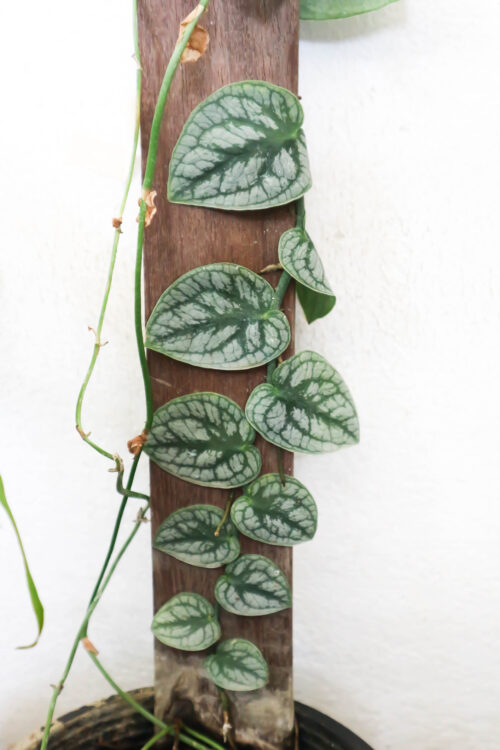
With its beautiful silvery leaf patterns and unusual growth habit, this rare Monstera is a real head-turner. In the wild, it’s a climber that hugs the bark of giant rainforest trees, laying its leaves flat like shingles—hence the nickname. If you’re growing one at home, you’ve got to give it a plank or a moss pole to climb. To keep that silver variegation looking sharp, place your Monstera Dubia in a spot with bright light, but keep it out of direct, scorching sun.
++Alocasia Polly (Alocasia x amazonica Polly)
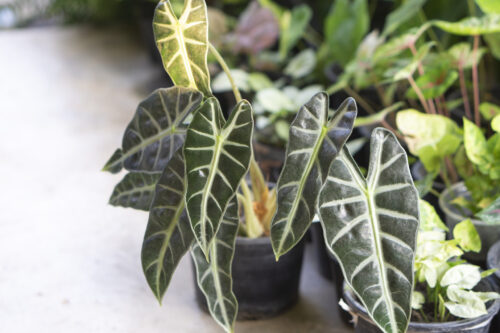
A member of the Aroid family, the Alocasia Polly can grow up to about two feet tall. Its glossy, dark green leaves feature wavy edges and striking silvery-white veins that really pop. Even though it looks like something straight out of a tropical movie set, it’s actually pretty low-maintenance. It’s happiest in a bright spot (no direct sun, please!) and only needs a moderate amount of water.
++Monstera Variegata
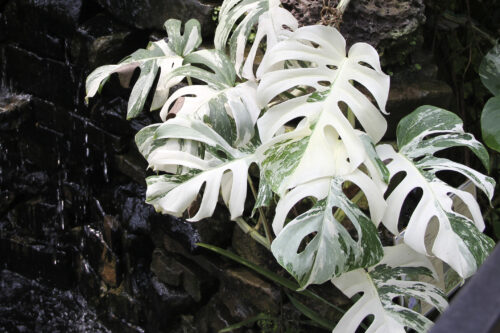
This Monstera variety is the ultimate “wishlist” plant. Not only does it have those iconic deep splits in the leaves, but it also features a rare mutation that creates irregular splashes of creamy white. Sometimes, you’ll even get a leaf that is almost entirely white! Since this plant loves to reach for the sky, a sturdy support or moss pole is a must. Like its cousins, the Variegated Monstera thrives in bright, indirect light.
++Anthurium argyrostachyum
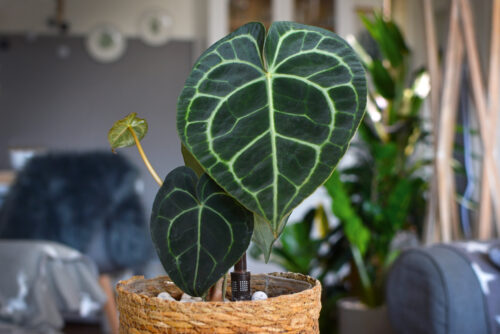
Still quite a rare find in most homes, this Anthurium species is famous for its large, uniquely shaped leaves. The rippled texture of the foliage creates a beautiful play of light across different shades of green. Heads up: this one is a bit of a diva. It needs consistently high humidity to thrive, so you’ll want to mist it regularly or keep it near a humidifier. In the right conditions, it grows quite large and does a fantastic job of purifying the air.
++Queen of the Night (Selenicereus grandiflorus)
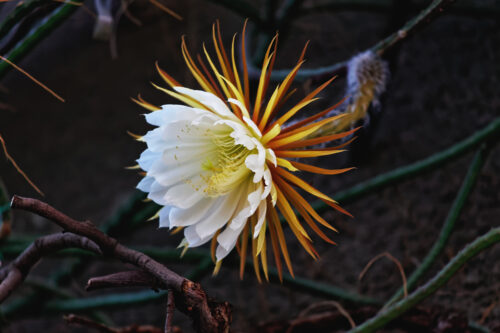
This cactus is truly legendary for its massive flowers—up to 12 inches across—that bloom for just one single night. The “Queen of the Night” grows long, snake-like stems that love to wind around a trellis. The buds only open when it’s warm and bright enough during the day, following a strict schedule: they start opening around 10 PM, reach full glory at midnight, and wither away by dawn. It’s a fleeting, magical experience!
++Ancient Bonsai Trees
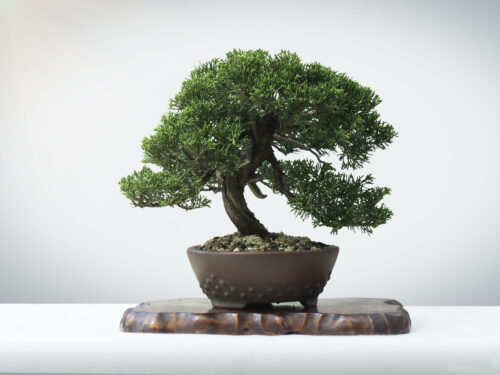
The art of Bonsai has been around for over a thousand years. Through careful pruning and wiring, almost any tree can be transformed into a miniature masterpiece. Truly old Bonsais are living treasures, often passed down through generations, making them some of the rarest “houseplants” in existence. Because they are meant to be a perfect, realistic reflection of nature in miniature, these ancient trees (some up to 800 years old!) are highly sought after and can command some very high prices.
%%Variegated Flowering Maple (Abutilon Pictum Thompsonii)
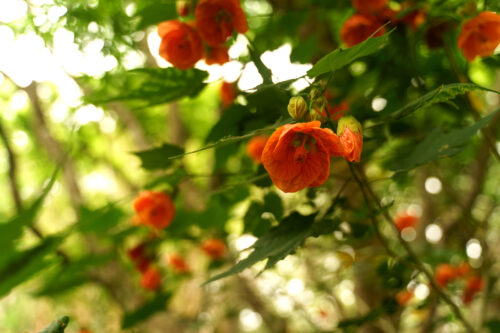
Here’s our secret tip: certain varieties of the Flowering Maple feature an incredible mottled leaf pattern that feels soft to the touch. On top of the cool foliage, this plant produces gorgeous, bell-shaped flowers from late spring all the way through autumn. If you give it a bright spot and plenty of love, this plant can grow surprisingly large—up to ten feet tall and wide—making it a spectacular focal point for a sunroom or patio.