Lucky Bamboo is gorgeous and incredibly low-maintenance. It’s one of those plants that grows perfectly fine even if you never touch a pair of shears. However, there are a few good reasons why you might want to give it a little trim. Here’s the lowdown on why and how to prune your Lucky Bamboo like a pro.
Why Give It a Trim?
Deciding to prune your Lucky Bamboo is usually up to you, but sometimes it’s actually necessary for the plant’s health. Here are the most common reasons to grab your garden scissors:
- It’s outgrowing its favorite spot.
- You want to change its shape or look.
- You notice yellowing caused by rot.
- You want to grow new plants from cuttings.
How to Prune Like a Pro
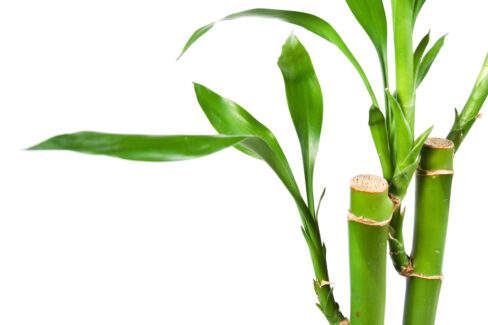
Trimming this plant is way easier than you might think. Just grab a clean, sharp cutting tool and slice the stem at your desired height. Try to make the cut as straight and horizontal as possible. Pro tip: Seal the “wound” with a little bit of candle wax. Leaving the cut exposed can sometimes act as an open door for bacteria or pests to move in.
Rooting Your Cuttings
If you’re looking to propagate your plant, you can cut the stem into several sections. Just make sure each piece is at least four inches long. Pop these cuttings into a container of water and find them a nice, warm spot to hang out. Keep an eye on the water level and top it off regularly. If your tap water is “hard” (lots of minerals/lime), it’s better to use rainwater or filtered water instead.
Give your cuttings some time to develop their own root systems. You’ll want to wait until the roots look nice and sturdy before you think about repotting them. If you rush it, the roots might not be strong enough to survive the move, and all your hard work could go to waste!
Dealing with Yellowing
If you notice your Lucky Bamboo turning yellow, you’ve got to act fast. Those yellow spots usually mean rot is setting in. While the exact cause can be a mystery, your plant definitely needs your help to survive. Cut away any discolored sections—be generous with your cuts to make sure you’re only leaving healthy, green tissue behind. This stops the rot from spreading and helps your plant get back to its beautiful, vibrant self.