Let’s be real: growing Giant Bamboo from scratch is a marathon, not a sprint. It takes several years before it actually starts living up to its “giant” name, so this project is definitely for the patient gardeners out there. If you’re ready for the challenge, here’s my go-to guide on how to start your own Giant Bamboo from seed.
Where should you get your seeds?
You can find Giant Bamboo seeds just about anywhere online these days, but here’s a pro tip: head to a specialized nursery or a reputable seed dealer. Bamboo seeds lose their ability to sprout pretty quickly as they age, so you want to make sure you’re getting the freshest batch possible.
If you’re reading this and thinking, “I don’t have years to wait,” don’t sweat it! You can always skip the seedling phase and buy a more established plant from a garden center to plant directly in your yard.
How to sow Giant Bamboo seeds
Before you get your hands dirty, soak your seeds in lukewarm water for about 24 hours. This little “spa day” helps kickstart the germination process. Since Giant Bamboo seeds need light to sprout, you don’t want to bury them deep in the dirt. Just scattering them on top of the soil is perfect. For the best results, use:
- Seed-starting mix or
- Coconut coir.
Bamboo loves it warm—aim for a consistent temperature of around 77°F (25°C). Keep your pots in a bright spot and make sure the soil stays damp. A mini greenhouse or even just some plastic wrap over the top works wonders to keep the humidity up. Just remember to poke a few holes in the plastic for airflow so you don’t end up with mold!
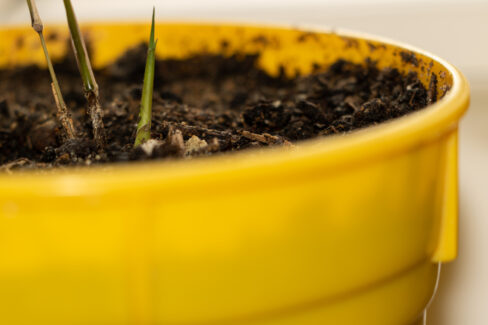
You should see those first little green shoots popping up within about 20 days. Keep in mind that not every seed is a winner, so it’s a good idea to plant a few more than you think you’ll actually need.
Caring for your young bamboo
During that first year, your baby bamboo is going to be pretty sensitive to the cold. It’s best to keep it indoors for its very first winter. By the second year, it can handle a cooler spot, but it’ll still appreciate being brought inside. As the plant matures, it becomes much more winter-hardy. However, for those first two winters outside in the ground, make sure you give it some extra protection to help it survive the frost.