Is there anything more satisfying than a bumper crop of onions from your own garden? Once you’ve pulled those beauties out of the ground, the next big question is how to keep them fresh so you can enjoy them all winter long. Don’t worry—I’ve got you covered with everything you need to know about storing your onion harvest.
Storing Your Onions
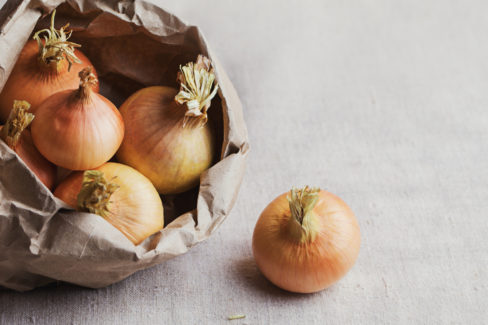
First things first: not all onions are created equal when it comes to shelf life. Generally, the pungent varieties harvested in the fall are your best bet for long-term storage and overwintering in a cool spot. On the other hand, sweet onions or those harvested in spring and summer should be used up pretty quickly. A good rule of thumb? The stronger the onion (thanks to those sulfur compounds that make you cry!), the better it stores. With the right setup, you can keep your onions fresh for months.
Getting Them Ready
Preparation is key! After harvesting, you need to let your onions dry out completely. Any lingering moisture in the skins or necks is an invitation for rot and mold. If the weather is clear, I like to let mine sit right in the garden bed for about a week. After that, move them to a dry, shaded spot to finish “curing.” This process hardens the outer skins, creating a protective shell. Once they’re fully cured, trim the roots and snip the dried leaves.
Finding the Perfect Spot
To keep your onions happy, look for a spot that hits these four marks:
- Dark: Light triggers onions to sprout. Once they start growing, the bulb softens and loses its flavor.
- Dry: Low humidity is a must to prevent mold from moving in.
- Cool: Warmth is another sprouting trigger. Aim for a temperature between 40°F and 50°F (4–10°C). Just make sure it stays above freezing!
- Airy: Good circulation is your best defense against rot. Store them in mesh bags, wire baskets, or wooden crates—never airtight containers.
A basement, attic, or garage is usually your best bet. A dark pantry works too, as long as it stays cool. One place to avoid? The refrigerator. While it’s cold, the humidity and lack of airflow will make whole onions soft and flavorless. (Pro tip: If you have a *cut* onion, that can go in the fridge, just keep it in a sealed container so your milk doesn’t end up tasting like onions!)
Common Storage Mistakes
The biggest “no-no” is using plastic bags. They trap moisture and basically suffocate your onions, leading to a mushy, rotten mess. Stick to breathable mesh or crates. Also, skip the aluminum foil. Onions can actually pick up a metallic taste from the foil, which is definitely not the “secret ingredient” you want in your cooking.
Onion Storage Checklist
- Storage life depends on the variety.
- Under the right conditions, most onions last about six months.
- Always dry and cure onions thoroughly after harvest.
- Trim roots and leaves only after they are fully dry.
- Aim for a cool, dry, and dark storage space.
- Basements, attics, or garages are usually ideal.
- Avoid plastic bags and aluminum foil at all costs.
Alternatives: Preserving Your Harvest
If you’re short on space, why not try preserving them? Pickling onions is a fantastic option. While there are tons of recipes out there, the basics are usually water, your choice of vinegar, and salt. Add your favorite spices, simmer the brine, and pour it over the onions in jars. These will stay delicious for up to a year!
You can also make classic cocktail onions using a simple brine. Let them soak for a day, then pack them into jars with white wine vinegar and spices. They’ll keep their crunch for a full twelve months.
Can you freeze onions? Absolutely! It takes a little prep work—you’ll need to peel and dice or slice them first—but then you can just toss them into freezer bags. They’re perfect for throwing straight into a hot pan for soups or stews and will stay good for up to a year.