Heirloom apple varieties have been a staple in home orchards for centuries. Not only do they bring an incredible range of flavors to your table, but they’re also packed with nutrients. If you’re looking to move beyond the standard grocery store options, let’s dive into some of the most popular old-school varieties—including a few of my personal favorites.
[[pflanzen]]
++Danziger Kantapfel (Danzig Cant Apple)
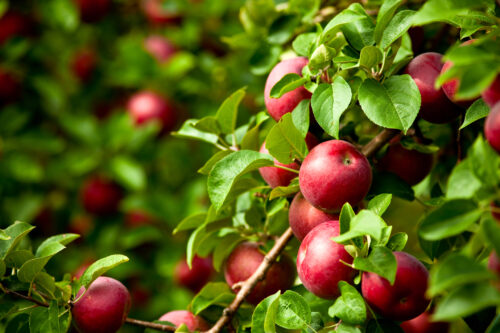
First described way back in 1790, this variety was once a common sight across Germany, Holland, and France. You can spot a Danziger Kantapfel tree from a mile away thanks to its unique, high-arched, spreading canopy. It’s a late bloomer, which makes it a great choice if you live in an area prone to late spring frosts. The medium-sized, crimson-red fruits often have a quirky, irregular shape with one very distinct “edge” or ridge. Look for the characteristic faint, blurry spots on the skin. Inside, the flesh is a beautiful creamy yellow and offers a juicy, sweet-tart kick. Best of all? They’re ready to eat the moment you pick them!
++White Transparent (Klarapfel)
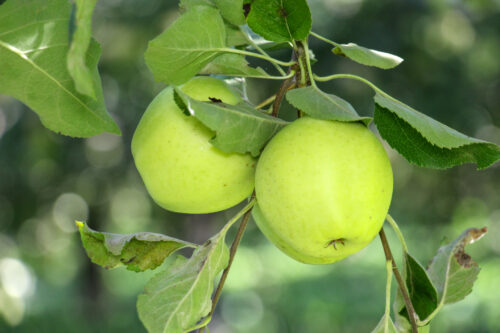
This summer apple originally made its way to us from the Baltic region. It’s a real workhorse in the garden—both the wood and the long-lasting blossoms are very frost-resistant, making it a perfect pick for colder climates. It’s also a fantastic pollinator for other apple trees. You can start harvesting these as early as mid-July. Just a heads-up: the fruit is pretty delicate and bruises easily, so handle them with care. They have a refreshing, slightly acidic flavor but don’t stay fresh for long, so eat them quickly!
++Altländer Pfannkuchenapfel (Pancake Apple)
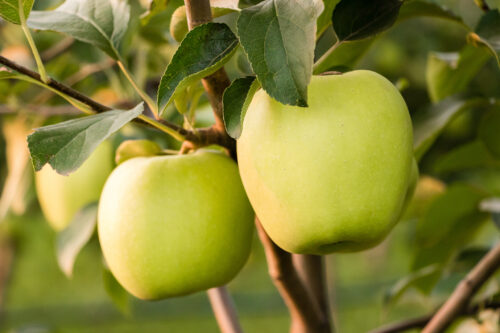
The “Pancake Apple” is a classic heirloom cooking variety that was a commercial favorite for a long time. Because it blooms mid-to-late season, it’s a reliable producer even in chilly spots. The apples are medium-to-large, greenish-yellow, and usually covered about halfway in a red blush. Harvested in late October, they start off with a sharp, aromatic tang, but here’s the secret: they actually get sweeter the longer you store them. Their firm texture makes them the absolute best choice for baking or canning.
++Ananasrenette (Pineapple Renette)
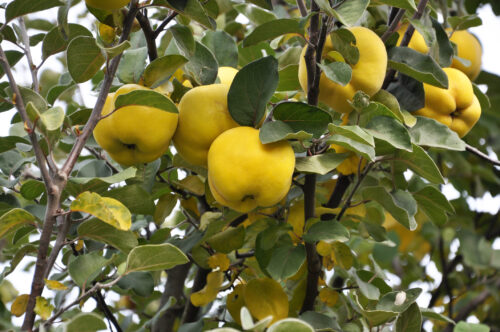
The Ananasrenette is a sophisticated old European variety—these golden gems were once served at royal state banquets! They’re on the smaller side (about 2 to 2.5 inches), but what they lack in size, they make up for in flavor. They are delicious fresh but also hold up beautifully when juiced, baked, or preserved. Just keep in mind that this variety is a bit of a “diva”—it needs prime conditions to thrive, otherwise, it can be prone to mildew and other garden pests.
++Gravenstein
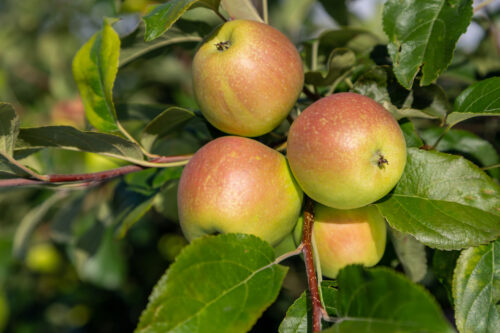
The Gravenstein is a beloved heirloom that thrives in areas with plenty of humidity and soil that holds moisture well. Ready to pick in mid-August, these apples have a wonderful sweet-tart balance that fans rave about. They are quite sensitive to bruising and don’t store well, which is exactly why they are a top choice for making high-quality apple cider or apple wine.
++Belle de Boskoop
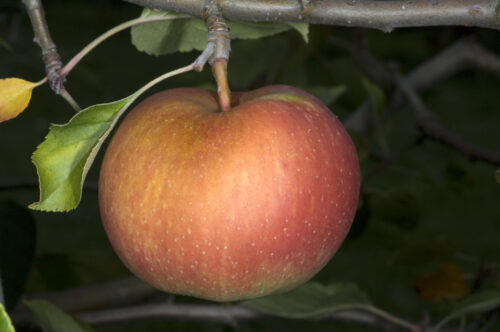
If you’re looking for a classic winter apple, the Boskoop is it. These fruits are impressively large, sometimes weighing nearly half a pound! They have a rustic, matte yellow skin that turns red on the side facing the sun, often covered in a rough, “russeted” texture. To get a good harvest, give your Boskoop a bright, sheltered spot with well-draining, slightly limey soil. It’s a hardy tree that rewards a little extra care with massive yields.
++King of the Pippins (Goldparmäne)
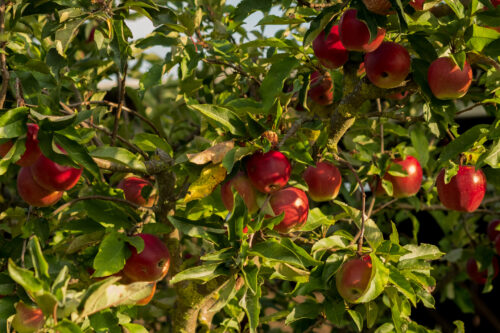
Dating back to 16th-century Normandy, the King of the Pippins is one of the oldest varieties still around today. It’s a bit picky about its home—it wants a warm, sunny spot with nutrient-rich soil. If it’s happy, it will produce plenty of round, slightly flattened apples that turn a beautiful orange-red by early October. They have a wonderful, intense aroma and firm flesh. Pro tip: let them sit for a few weeks after picking; the flavor mellows into a delightful sweetness.
%%Schleswiger Erdbeerapfel (Schleswig Strawberry Apple)
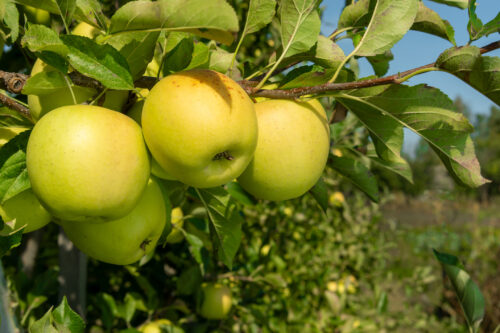
This variety is a fantastic dessert apple that has been cultivated since the 1400s. It’s incredibly tough—hardy down to -31°F (-35°C)—and isn’t too fussy about soil quality. The fruits start out light green and turn yellow as they ripen, featuring distinct ridges and a very shiny skin. When you harvest them in October, you’ll find the flesh is nearly white with a perfectly balanced, aromatic sweet-tart flavor. It’s a true survivor for the home orchard!