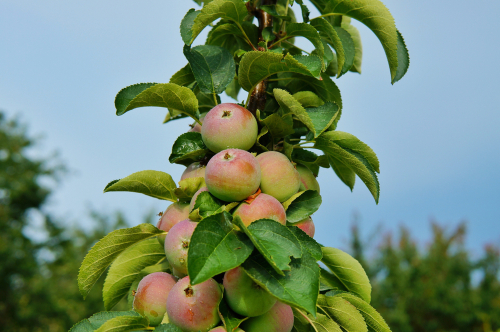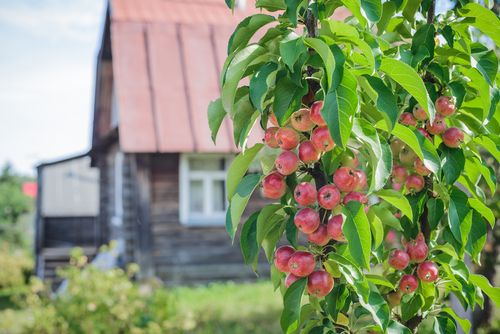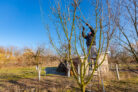
For centuries, towering fruit trees were the hallmark of rural landscapes and villages. These “high-trunk” giants created beautiful orchards where livestock could graze freely beneath the wide canopies. However, around 1935, farming trends started to shift. Growers began favoring modern, shorter trees that were easier to manage with machinery and required less effort to prune and harvest.
Built-In Resistance to Pests and Disease
One of the biggest perks of heirloom fruit varieties is their natural grit. These old-school trees are often much more resilient against fungal infections and pests—think woolly aphids, apple and pear scab, powdery mildew, or canker. If you’re looking to add an heirloom tree to your garden, I recommend picking varieties known for thriving without the need for constant chemical sprays.
Heirloom Apples: A Flavor League of Their Own
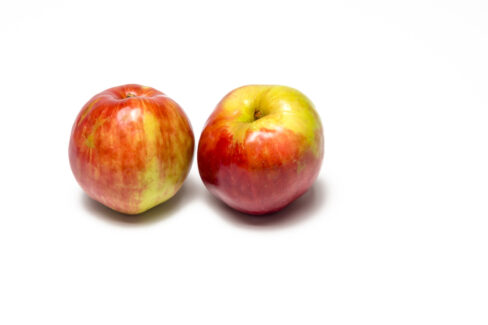
Apple cultivation is an ancient art, dating back as far as the 6th century BC. Even the Greeks and Romans were busy breeding and grafting their own trees. The *Malus* genus includes some very old varieties that have been perfected over centuries, and let me tell you—the flavor is intense! While modern supermarket apples are bred to be tough enough for long-distance shipping and resistant to certain diseases, their taste often pales in comparison to the complex profile of an heirloom.
Why Saving Old Varieties Matters
It’s not just hobby gardeners and homesteaders getting back to their roots; even commercial farmers are showing renewed interest in preserving heirloom apples. These old varieties carry unique genetic traits. When you cross an heirloom with a newer variety, you get incredible flavor diversity. On the flip side, if we only cross modern varieties with each other, apples start to taste more and more the same.
Staggered Blooms and Biodiversity
Beyond the taste, there’s a practical side to variety. Heirloom apples bloom at different times, which means your harvest happens in stages rather than all at once. This is a lifesaver for managing your winter stores! Plus, because these trees traditionally grow in meadow orchards, they support a massive amount of biodiversity, creating a healthy little ecosystem right in your backyard.
A Win for Allergy Sufferers
If you deal with cross-reactivity allergies (where pollen and certain foods trigger a reaction), you know the struggle. Interestingly, many allergy sufferers find they can enjoy heirloom apples—even with the skin on! It all comes down to polyphenols. Heirloom varieties have higher levels of these compounds, which bind to the proteins that trigger allergies and make the fruit easier to digest. Unfortunately, because polyphenols can make apples taste slightly less sweet or turn brown faster when sliced, they’ve been bred out of most modern varieties.
Classic Heirloom Varieties to Try
There are countless old varieties out there, but here are a few fan favorites that are still popular today:
- Gravenstein (Fall Apple)
- Prince Albert of Prussia (Fall Apple)
- Dülmener Herbstrosenapfel (A beautiful *Malus* fall variety)
- White Transparent (Summer Apple)
- James Grieve (Summer Apple)
- Belle de Boskoop (Winter Apple)
- King of the Pippins / Goldparmäne (Winter Apple – though keep in mind, this one can be a bit finicky with pests and disease!)