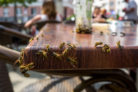
Wasps can become a real nuisance, especially in late summer. You might have heard that keeping a basil plant on your table can help, and while it can work under certain conditions, there’s a bit more to the story. Let’s dive into how to handle these uninvited guests.
The Wasp
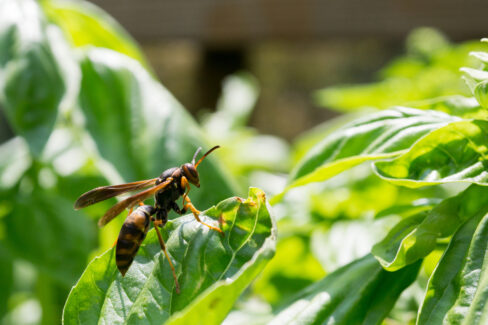
Wasps are social insects that live in colonies with over 1,000 workers. Unfortunately for us, they don’t just stick to flower nectar. They have a major sweet tooth for things like cake and desserts, and they aren’t shy about going after your grilled or raw meat, either. Despite being annoying, these insects are actually quite beneficial to the ecosystem and are protected in many areas. To avoid a sting, whatever you do, don’t blow on them! The carbon dioxide in your breath actually makes wasps aggressive.
In nature, wasps have plenty of enemies. Birds like the Honey Buzzard and the Red-backed Shrike hunt them, and they’re also on the menu for garden spiders and hornets. Dragonflies will snack on wasps too, and ichneumon wasps even lay their eggs inside wasp larval chambers.
Basil as a Deterrent
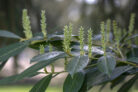
Experiments have shown that while basil contains essential oils, they aren’t a huge deterrent on their own. Just placing one little pot of basil on your coffee table probably won’t keep a hungry wasp away from a delicious fruit tart. To actually get a reaction from the insects, you’d need to crowd the table with several plants.
To make the basil more effective, you need to move the leaves around to help the plant release its oils. Crushing a few leaves also increases the concentration of those scents. However, in most cases, even this isn’t quite enough to keep a determined wasp away from its favorite treats.
Other Ways to Keep Wasps at Bay
- Crushed garlic cloves release an aroma that wasps really dislike, which can help mask the smell of your food. Of course, the downside is that garlic at a tea party doesn’t smell particularly appetizing to us humans, either!
- Oranges or lemons studded with cloves are another classic remedy. Wasps aren’t fans of the scent, and it’s definitely worth a try since it smells much better on a dining table than garlic does.
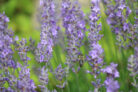
- Pure essential oils like lavender or basil are quite unpopular with wasps. You can put a few drops on a porous stone or a napkin. Just be careful with concentrated oils—keep them away from your eyes and skin.
- Burning coffee grounds is a common DIY trick. You can give it a shot, but be warned: the smell is pretty strong and doesn’t just bother the bugs. Many people find that it just plain stinks!
- Burning incense or herbs like juniper can also keep wasps away from your meal. A nice bonus? It usually helps drive away mosquitoes, too.
Pro Tip: One of the most effective ways to deal with wasps is “distraction feeding.” Pick a spot a good distance away from your patio or balcony and set out a few treats just for them. A little sugar water, some overripe fruit, or even a bit of ham will do the trick. The wasps will congregate at their own “private buffet,” leaving you to enjoy your meal in peace.