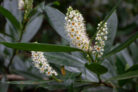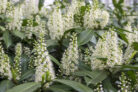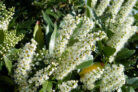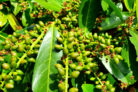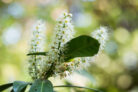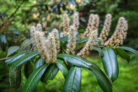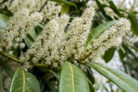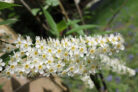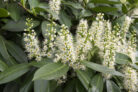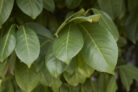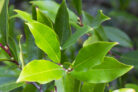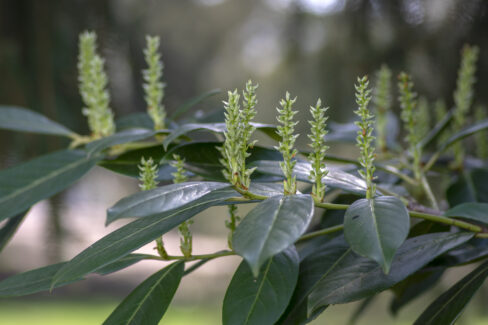
If you’ve noticed a swarm of wasps buzzing around your cherry laurel lately, don’t panic—it’s actually no coincidence! There’s a very specific reason these little guys find this plant so irresistible. Here’s the scoop on the relationship between wasps and cherry laurels, and why you usually don’t need to worry about your plant’s health.
Cherry Laurel Nectar Glands: A Wasp Magnet
Cherry laurels have these tiny glands that secrete a sweet, sugary nectar. For both ants and wasps, these glands are like a favorite local snack bar. Interestingly, these glands are located right on the leaves rather than on the cherry laurel blossoms. The insects feed on this nectar to get an energy boost. Ants will even leave pheromone trails to lead their buddies back to the plant over and over again. So, if you see a crowd of wasps hanging out near your laurel, they’re likely just there for the “leaf juice.”
The nectar provides the insects with:
- Natural aromas
- Fructose
- Minerals
- Glucose
- Sucrose
In some cases, however, a sudden influx of wasps might signal something else. If your plant has a bit of an aphid infestation, the wasps will show up for that, too. Just like ants, wasps love to feed on “honeydew” (the sticky waste aphids leave behind). If you notice aphids are starting to stress out your plant, you might want to step in. By treating the aphid problem, you’ll likely see the wasp population drop significantly as well.
Things to Keep an Eye On
Occasionally, wasps might decide that the dense foliage of a cherry laurel is the perfect spot to build a nest. Generally speaking, wasps are actually beneficial insects to have around the garden. If the nest is small and tucked away where it doesn’t bother anyone, you can usually just leave it be. However, if the nest is in a high-traffic area or you have little ones playing nearby, you have options. You can call in a professional to safely relocate the nest to a spot where everyone can live in peace.