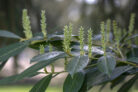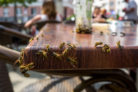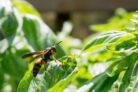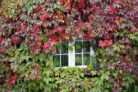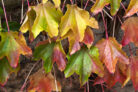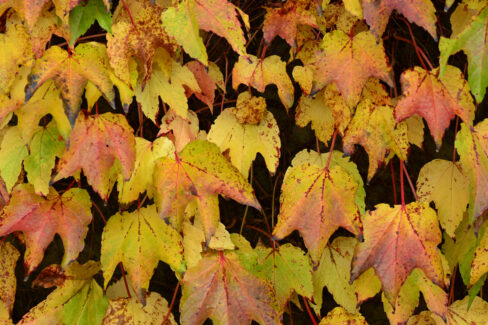
Virginia Creeper (also known as Woodbine) is a total favorite for adding some lush, green vibes to gardens and balconies. But before you plant, there’s one thing you should know: those dark berries are like a magnet for insects. In particular, wasps find Virginia Creeper almost irresistible.
Virginia Creeper: A Buffet for Wasps
The berries on Virginia Creeper are a major food source for all kinds of backyard wildlife, including:
- Birds
- Mice and other small rodents
- Insects, especially bees and wasps
Since wasps are mainly after the ripening fruit, you’ll notice them buzzing around much more frequently in late summer, usually starting around August.
Dealing with Wasps
Let’s be real—wasps aren’t exactly the most popular guests at the garden party. They can be defensive and sting if they feel provoked. Plus, once they’re attracted to the berries on your patio or balcony, they’ll likely try to join you for a snack if you’re enjoying a slice of cake or a soda outside.
Wasps are Protected
It’s important to remember that wasps are considered wild animals and are protected under conservation laws. This means you shouldn’t kill them without a very good reason. Avoid swatting them, and definitely don’t use foam sprays or try to destroy their nests yourself.
What to Do About a Nest
If a colony of wasps has decided to set up shop right in your Virginia Creeper, your best bet is to call a professional pest control service or a local expert who can safely relocate the nest. For your own safety, please don’t try to move a nest on your own!
Skip the Wasp Traps
I’d recommend staying away from those liquid-filled wasp traps. They don’t just catch wasps; they also lure in beneficial insects like honeybees, which end up drowning. It’s not a very humane method, and it contributes to the decline of our local insect populations.
Should You Plant Virginia Creeper Near Your Seating Area?
If wasps really bug you—or if you have a bee or wasp sting allergy—you might want to think twice about planting Virginia Creeper directly on your balcony, patio, or any high-traffic areas of the yard. Also, if you have it growing near the house, keep your windows closed during the day to make sure these uninvited guests don’t wander inside!