Butterfly bushes are the ultimate summer beauties. With their massive flower clusters and “set it and forget it” care routine, they’re actually perfect for balcony gardening. The trick is to skip the giant garden varieties and go for dwarf cultivars instead. These “petite” beauties are specifically bred to thrive in containers.
A Quick Guide to Dwarf Butterfly Bushes for Your Balcony
Standard butterfly bushes can easily hit 10 feet tall and 6 feet wide—definitely not something you want taking over your balcony! But you don’t have to miss out on those vibrant colors and amazing scents.
Check out these dwarf varieties that are perfect for pots and planters:
- ‘Free Petite Snow White’ (Height: 15-24 inches): This tiny powerhouse produces stunning white blooms from July through September.
- ‘Petite Adonis Blue’ (Height: 2-3 feet): These fragrant blue flowers will keep your balcony looking great well into October.
- ‘Buzz Velvet’ (Height: 3-4 feet): Expect gorgeous, deep pink flower spikes from June all the way through September.
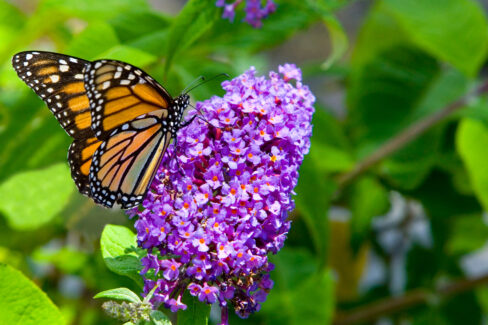
- ‘Buzz Violet’ (Height: 3-4 feet): This one comes in that classic violet hue and is a total magnet for local butterflies.
Pro Tips for Container Butterfly Bushes
To keep your butterfly bush happy and healthy, start with a container that holds at least 8 gallons (30 liters). For the soil, I recommend a mix of high-quality potting soil and sand, boosted with some perlite for extra drainage.
The daily care routine is super simple:
- Give them a good soak with regular tap water whenever the top layer of soil feels dry.
- Feed your plants with a liquid fertilizer once every four weeks from May through September.
- Keep things tidy by deadheading wilted flowers regularly.
- Plan on repotting your bush into fresh soil every two years in the spring.
Winterizing Your Balcony Butterfly Bush
When it comes to overwintering, the safest bet is to move your pots into a bright, frost-free spot indoors. If you’re leaving them outside, you’ll need to protect the roots. Try placing the pot inside a wooden crate filled with bark mulch for insulation.
You can also add a protective “blanket” of wood wool, dried leaves, or straw over the soil surface. Keep this winter protection in place until temperatures start to climb in the spring. Once the days get longer, it’s time for a fresh start—prune the bush back to about 20 inches to encourage vigorous new growth.