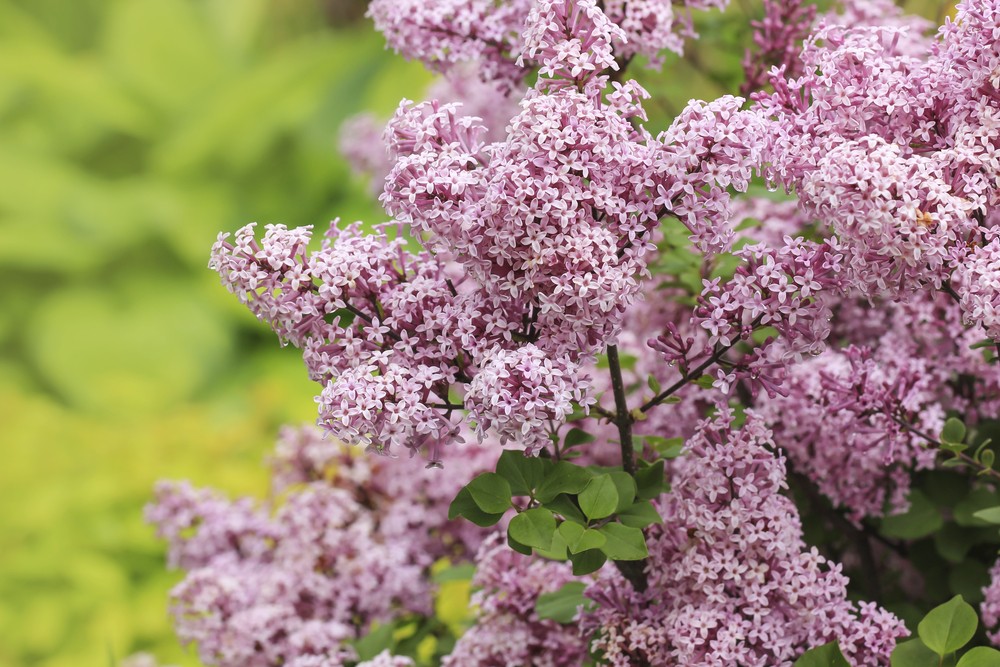
With its bushy growth and those iconic, heavenly-scented blooms, lilac is a total staple in the garden. Since these beauties can get pretty massive and develop deep, sprawling root systems, most people plant them directly in the ground. But here’s a pro tip: you can absolutely grow lilac in a pot or container!
Choosing the Right Lilac Varieties for Containers
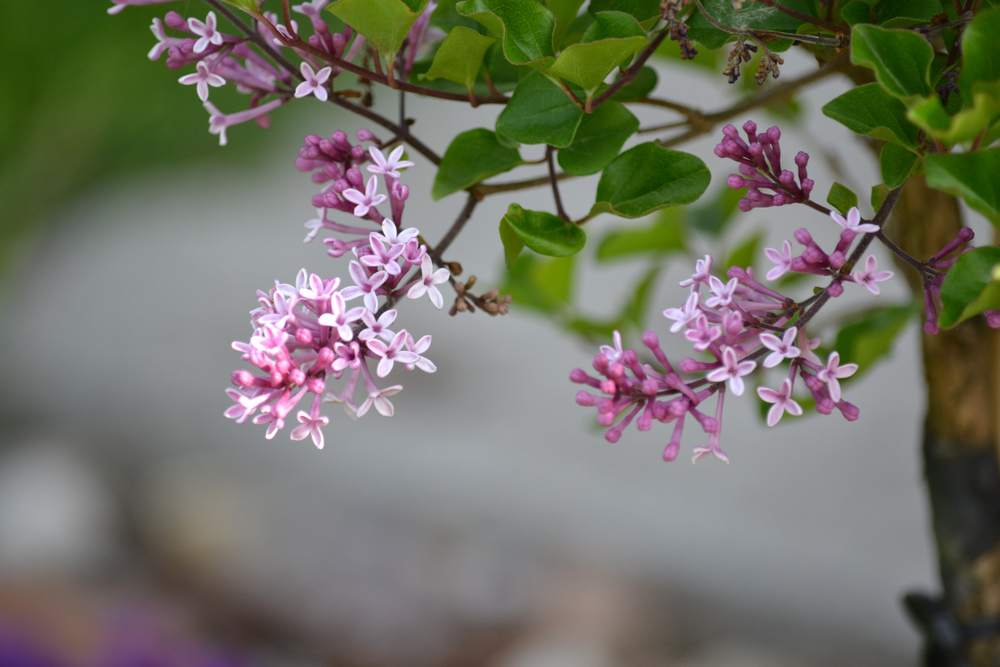
The secret to success is picking dwarf lilac varieties. These little guys are much happier living in a pot than their giant cousins. Here are a few of my favorites for container gardening:
- Dwarf Korean Lilac (Syringa meyeri “Palibin”)
- Littleleaf Lilac (Syringa microphylla “Superba”)
- “Tinkerbelle” Lilac
- Lilac-like shrubs, such as Butterfly Bush (Buddleia) varieties like “Empire Blue” and “Summer Beauty,” or even Crape Myrtle (often called “Lilac of the South”).
Dwarf lilacs usually top out at around 5 feet and grow pretty slowly, making them perfect for patio life. Don’t worry—you aren’t sacrificing any of that gorgeous flower power or fragrance! Technically, you could try a standard garden lilac in a pot, but you’ll have to be very diligent about pruning it to keep it small.
Picking the Perfect Pot
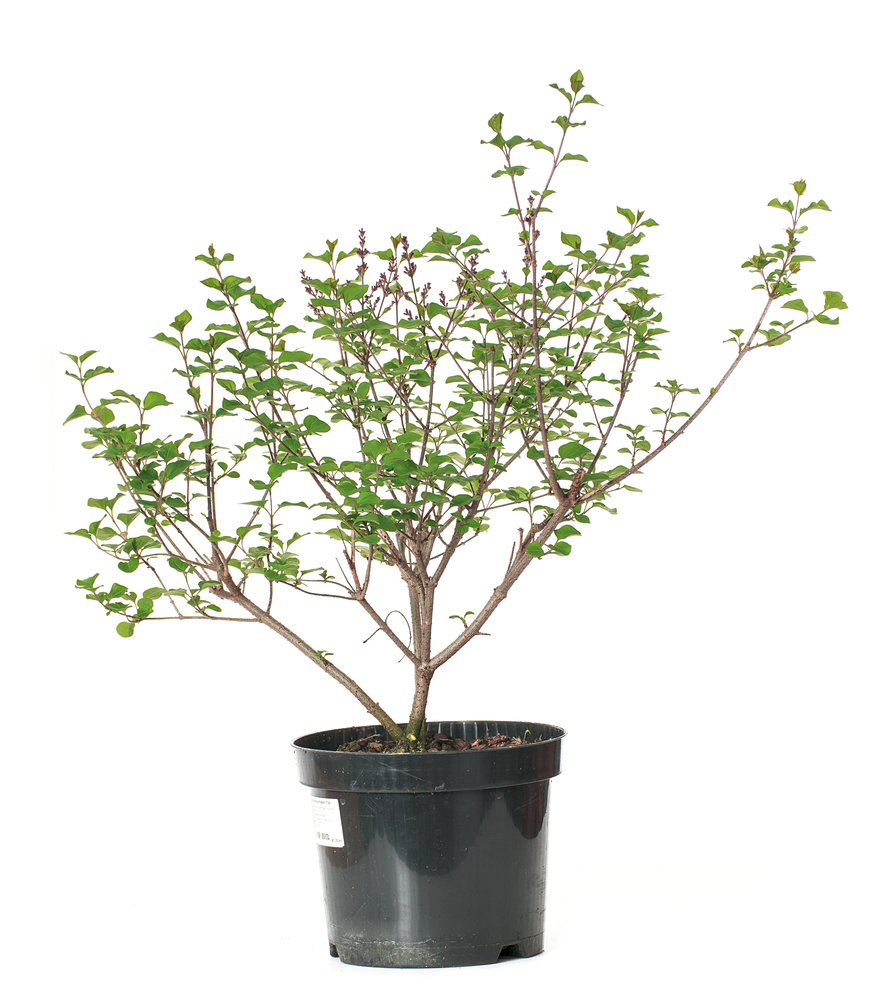
Even a dwarf lilac needs room to breathe, so regular repotting is part of the deal. When you bring home a young plant, it’s tempting to toss it into a massive pot right away so you don’t have to deal with it for a few years. Resist that urge!
Lilacs actually do better when they are repotted roughly every two years. If the pot is way too big, the plant might put on too much growth too fast, leaving you constantly reaching for the shears. Look for a container that is about double the volume of the root ball. This gives it enough space to settle in without encouraging a massive growth spurt. As for material, I always recommend terra cotta or ceramic over plastic. Plastic pots can overheat in the sun and don’t breathe as well.
Once potted, find a bright, sunny spot for your lilac. The more sun it gets, the more spectacular those fragrant blooms will be. While lilacs are pretty sturdy against a breeze, remember that a potted plant isn’t anchored deep in the ground. If a big storm is rolling through, it’s a good idea to move the pot to a sheltered area so it doesn’t tip over.
Soil and Aftercare
Your potted lilac needs soil that is loose, well-draining, and a bit sandy. A mix of standard potting soil and sand works wonders. Most importantly: make sure you have a drainage layer at the bottom. Lilacs absolutely hate “wet feet” (standing water), which can lead to root rot. While lilacs in the ground are pretty self-sufficient, container plants rely on you for hydration.
Keep the soil consistently moist—especially when the plant is budding and blooming—but never soggy. You’ll also want to feed your lilac every two to three weeks from spring through late summer. Use a standard liquid fertilizer for container plants, but try to find one that is low in nitrogen. Once autumn hits, stop fertilizing and let the plant rest for the winter.