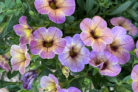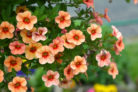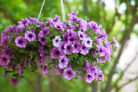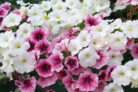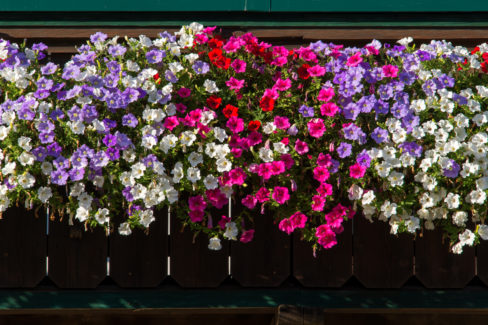
At first glance, Calibrachoa (often called Million Bells) and Petunias look like twins. It makes sense—they’re both members of the nightshade family, so they’re definitely related! However, they actually belong to two different genera: *Calibrachoa* and *Petunia*. If you take a closer look, you’ll start to spot some pretty interesting differences between these garden favorites.
Calibrachoa vs. Petunia
Both plants share a similar trumpet-shaped flower, and their foliage and growth habits are quite alike. Because they enjoy the same conditions, they make great neighbors in the garden or even roommates in the same patio container.
Sun and Soil Needs
Calibrachoa and Petunias both thrive in sunny spots, though they can handle a little light shade. One thing to keep in mind: these guys are “heavy feeders.” To keep those blooms coming, you’ll want to use a liquid fertilizer once a week or mix a slow-release fertilizer into the soil when you first plant them. They also prefer slightly acidic soil, which helps them soak up iron more efficiently.
Growth and Blooms
Both plants are vigorous growers that produce a non-stop parade of funnel-shaped flowers. Traditionally, Petunias have much larger blooms than Calibrachoa, but thanks to modern breeding, that gap is closing. You can now find “mini” Petunias and “grand” Calibrachoas! Both come in a stunning rainbow of colors, including pink, white, purple, red, blue, yellow, and even bright orange.
One big difference shows up when the weather turns sour. Petunia blooms tend to get mushy and sticky after a heavy summer rain, often requiring “deadheading” (pinching off the old blooms) to keep the plant looking tidy. Calibrachoas are a bit more weather-resistant; they tend to close up during rain. Their wilted flowers shrivel up so small that you barely notice them, and they’re quickly hidden by new buds.
Similarities and Differences at a Glance
Depending on your garden space and how much maintenance you want to do, here’s a quick cheat sheet to help you choose between the two:
- Both are nightshades and generally treated as annuals (they don’t like the cold!).
- Both absolutely love the sun.
- Both need slightly acidic, low-lime soil.
- Both are hungry for plenty of fertilizer.
- Both feature those iconic, bright, trumpet-shaped flowers.
- Petunias tend to trail and hang, while Calibrachoa usually has a bushier, mounded habit.
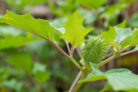
- Petunia leaves have tiny glandular hairs that make them feel sticky; Calibrachoa leaves are smooth.
- Calibrachoa flowers have a single axis of symmetry, while Petunias are more radially symmetrical.
- Calibrachoa is much more rain-tolerant.
- Petunia blooms can get “glued” together and messy after a rainstorm.