Ever wonder exactly when petunias start showing off their colors so you can plan the perfect balcony display or garden bed? You’ve come to the right place! In this post, we’re diving into everything you need to know about the petunia blooming season, plus some of my favorite pro-tips to keep those flowers popping all summer long.
The Petunia Blooming Season
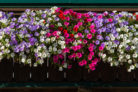
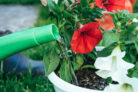
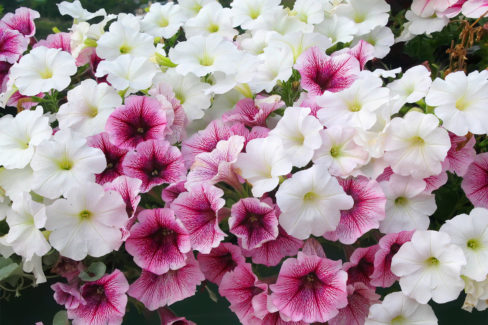
Petunias are the quintessential summer flower. Once the nights start warming up in May or June, you’ll see those first buds begin to unfurl. This is your cue to step up the watering and make sure they’re getting plenty of sunshine. Before you know it, those few scattered blooms will turn into a lush carpet of color overflowing from your window boxes.
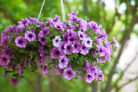
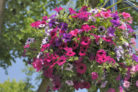
One reason we gardeners love petunias so much is their incredible stamina. If they’re happy in their spot, they’ll just keep going! New buds form constantly, creating a non-stop sea of color that lasts all through summer and often well into October. If the fall weather stays mild, you might even see them hanging on until November.
A Quick Note on Varieties
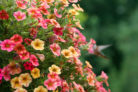
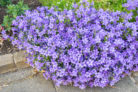
Have you tried Million Bells (Calibrachoa)? They’re a close relative of the standard petunia and share a similar blooming schedule. One cool thing to watch for: their little bell-shaped buds actually “go to sleep” by closing up in the evening and waking back up the next morning.
When the Party Ends: First Frost
Since petunias hail from South America, they aren’t fans of the cold. Most of us grow them as annuals because they can’t handle a freeze. Once the nighttime temps dip below 32°F, the blooms will fade fast and won’t come back.
*Pro Tip:* If you really love your plants, you can try overwintering them indoors. Since they’ll drop their flowers anyway, give them a good, hard prune before bringing them inside for the winter.
Keeping Your Petunias Happy and Healthy
While petunias love the heat, they are thirsty plants! On those scorching July days, they’ll need plenty of water and a little extra “food” to keep up that flower production. Here’s my checklist for a flower-packed season:
- Feed them regularly with a good fertilizer.
- Keep an eye out for any signs of disease.
- Thin out overcrowded stems every now and then to let the plant breathe.
Quick Tip: Petunias can be aphid magnets. To keep the bugs away, make sure there’s plenty of airflow between the branches—don’t let them get too “stuffy” in their pots!