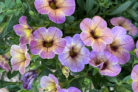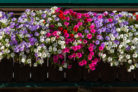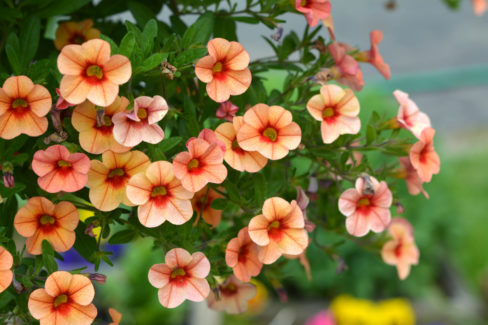
If you’re a fan of petunias, you’ve probably already fallen in love with the charming Million Bells (botanically known as *Calibrachoa*). This gorgeous, trailing plant is a staple for window boxes and patios, and it’s actually closely related to the petunia. The best part? It handles wind and rain like a champ, though it definitely isn’t a fan of the cold.
Fun Facts About Million Bells
Million Bells originally hails from sunny Brazil, which explains why it thrives so well in warm, bright spots in our own gardens. While the flowers are a bit smaller than your typical petunia, they make up for it with sheer volume—you’ll get a literal carpet of color. Plus, the variety of shades available is honestly mind-blowing.
Because of its South American roots, Million Bells is super sensitive to frost. It won’t survive a harsh winter outdoors, which is why most of us treat it as an annual. Usually, gardeners just start a fresh batch on the windowsill each spring and move them out to containers or hanging baskets once the danger of frost has passed in mid-May.
Overwintering Your Million Bells
If you’re feeling a bit adventurous, you can actually try to keep your Million Bells alive through the winter! The golden rule is to find a spot that stays completely frost-free—a bright sunroom or a cool greenhouse is perfect. Here’s how to prep them for their winter nap:
- In the fall, trim those long trailing stems back to about 4 inches (10 cm).
- Move the plant to a bright indoor spot.
- Aim for temperatures around 50–55°F (10–12°C).
- Water occasionally with rainwater if possible; you want the root ball to stay slightly moist, never bone-dry.
- Skip the fertilizer during these months.
- Keep an eye out for uninvited guests like aphids or whiteflies.
- Toward the end of April, repot your Calibrachoa into fresh soil.
- Start hardening them off by giving them a few hours of sun at a time.
- Move them back outside permanently once the spring frosts are officially over.
Easy Ways to Propagate
Want more plants for free? Million Bells is super easy to grow from seeds or cuttings. You can start seeds indoors under a plastic dome as early as January. Since Calibrachoa loves slightly acidic soil, I recommend using a rhododendron potting mix for the best results.
You can also take cuttings from non-flowering stems during the summer. Just tuck them into some moist, acidic starter soil or rhododendron mix. Once they’ve developed a solid root system, they’re ready to be moved into their own pots or window boxes!