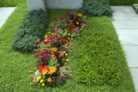
When it comes to memorial gardens, most people look for a balance of low-maintenance groundcovers and meaningful blooms. Choosing the right plants can create a peaceful space that honors a loved one without requiring daily upkeep. We’ve rounded up nine of the most popular choices for cemetery plantings, plus a little “pro tip” at the end.
[[pflanzen]]
++Japanese Pieris (Pieris japonica)
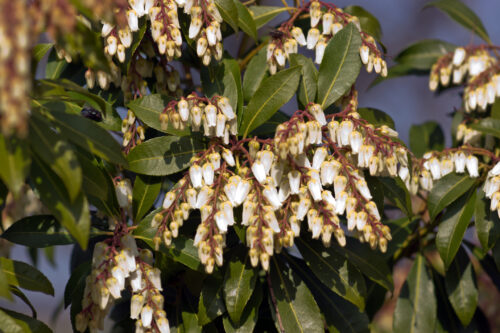
This evergreen shrub is a member of the heather family and works beautifully as a backdrop plant. From March through May, it’s covered in delicate pink or white bell-shaped flowers that look a lot like Lily of the Valley. Japanese Pieris handles pruning like a champ, making it easy to keep it at the perfect size for your space.
++Lesser Periwinkle (Vinca minor)
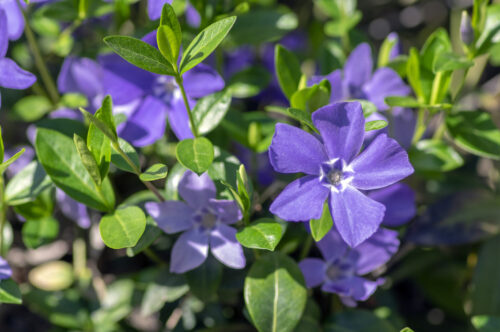
If you need a reliable groundcover, Periwinkle is a fantastic choice. It creates a dense, dark green carpet that fills in quickly. You’ll see white or violet-blue flowers popping up from spring all the way into early winter. It’s very low-maintenance, thrives in the shade, and looks great tucked under smaller shrubs. Because it stays green year-round, it’s often seen as a symbol of loyalty and eternal life.
++Heath or Heather (Erica)
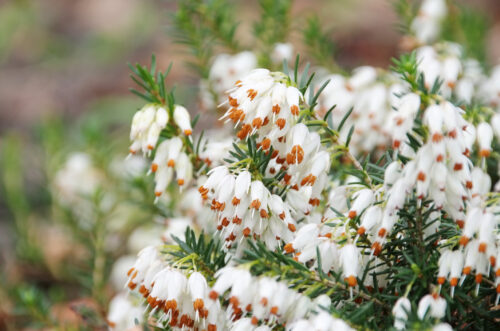
When the garden starts looking a bit gray in the fall, Heather steps in to save the day with a splash of color. It grows low to the ground and produces lovely clusters of white, pale pink, or deep rose flowers. Don’t let those delicate-looking needles fool you—this plant is incredibly tough and easy to care for. Mixing different colors in a planter or directly in the soil creates a really beautiful, textured look.
++Hen and Chicks (Sempervivum tectorum)
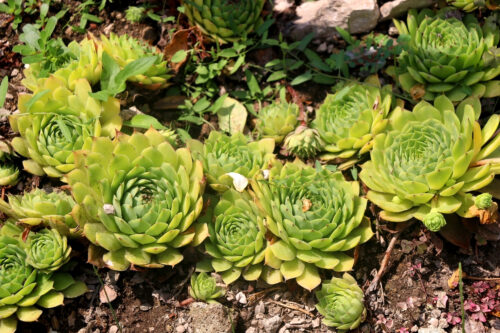
Symbolizing eternal life, Hen and Chicks is a staple for memorial sites. This succulent groundcover has fleshy leaves that store water, meaning it’s extremely drought-tolerant—perfect if you can’t make it out to water very often. They form striking rosettes in shades of red, blue-gray, brown, or green, and occasionally send up unique flower stalks.
++Bleeding Heart (Dicentra spectabilis)
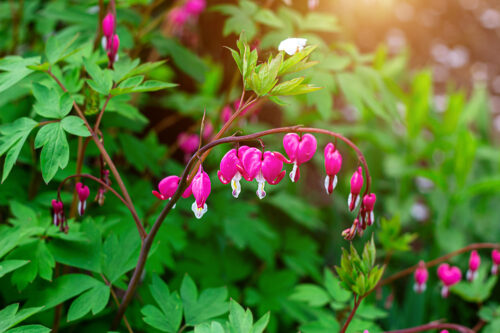
The delicate, heart-shaped flowers of this perennial look like they have a single tear-drop falling from them. This unique shape makes them a deeply sentimental favorite for memorial gardens. They can be a bit sensitive to direct sun, so they’re a perfect choice for spots that are partially or fully shaded.
++Wax Begonia (Begonia semperflorens)
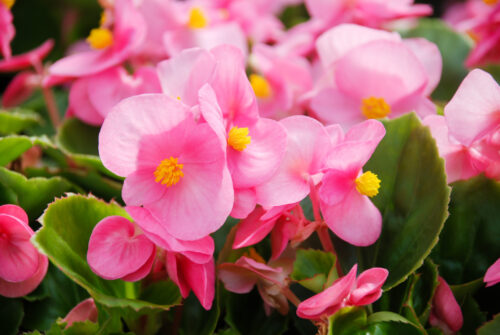
Begonias are the go-to for long-lasting color, blooming consistently until the first frost. They usually reach about 10 inches in height. Their leaves come in attractive shades of green, bronze, or brown, which really makes the white, pink, or red flowers pop. By mixing different colors, you can create custom patterns for a more personal touch.
++Marigolds (Tagetes)
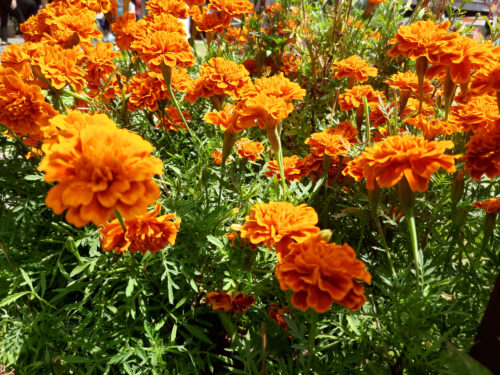
With their compact growth and bright, pom-pom-like flowers, Marigolds are a classic choice. These hardy bloomers stand up well to wind and rain and don’t ask for much in the way of maintenance. While they love a sunny spot, they’re pretty flexible and will do just fine in partial shade too.
++English Ivy (Hedera helix)
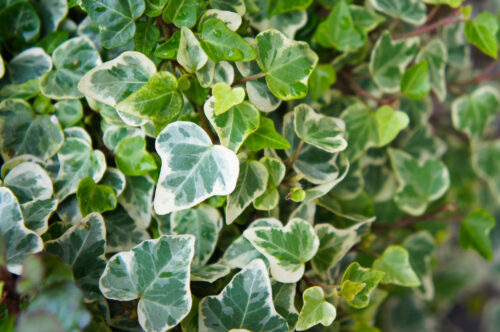
English Ivy has a long tradition in cemeteries as a symbol of eternal devotion and friendship. If you don’t have the time to swap out seasonal flowers, ivy is a great “set it and forget it” option. It creeps along the ground quickly, reaching about 8 inches in height, and its beautifully shaped leaves with light-colored veins provide year-round greenery.
++Pansies (Viola wittrockiana)
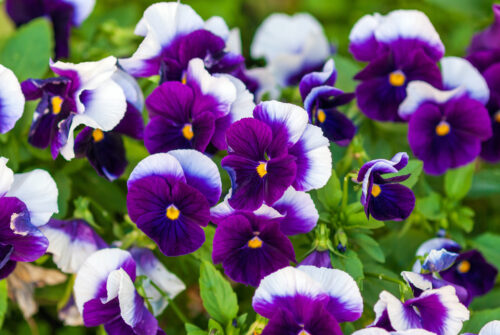
Pansies are a top choice because they represent “loving thoughts.” Since pansies come in almost every color imaginable, they are incredibly versatile. You can plant them alongside evergreens or use them in a decorative pot for a bright accent. Pro tip: just pinch off the faded flowers every now and then to keep them blooming beautifully through the fall.
%%Flower Carpet Roses (Rosa)
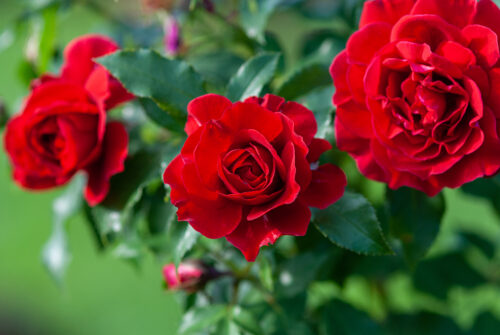
Our secret tip? Groundcover roses. These prolific bloomers spread out horizontally and stay relatively low (around 20 inches). They represent eternal love and provide a stunning display, though they definitely prefer a sunny spot to reach their full flowering potential. Look for “disease-resistant” varieties—they handle pruning well and are much tougher than your average rosebush.