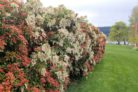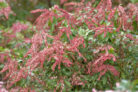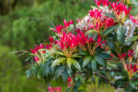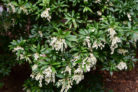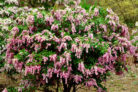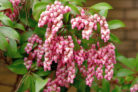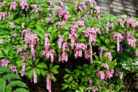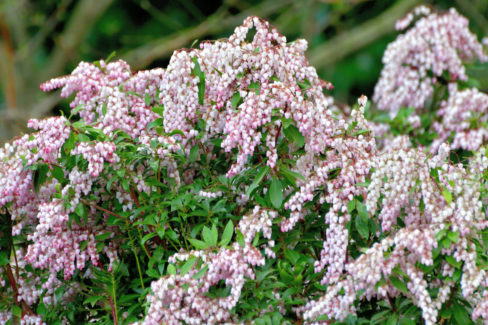
Looking for a showstopper to add some serious curb appeal to your yard? Let me introduce you to the Japanese Andromeda—also known as *Pieris japonica* or “Lily of the Valley Shrub.” This stunning evergreen is a total overachiever in the garden, offering gorgeous foliage and delicate, bell-shaped blooms.
If you’re thinking about adding this beauty to your landscape, you’ve come to the right place! I’ve put together a complete guide on how to keep your Andromeda happy, from planting tips to the best companion plants.
Japanese Andromeda at a Glance
- Botanical Name: *Pieris japonica*
- Common Names: Japanese Andromeda, Lily of the Valley Shrub
- Origin: East Asia
- Hardiness: Winter hardy
- Type: Evergreen
- Lifespan: Can live up to 70 years
- Flowers: Stunning reddish-pink or white bell-shaped blooms
- Foliage: Deep green leaves (often with white or cream margins)
Planting Japanese Andromeda in Your Garden
Whether you want a standalone specimen or a lush backdrop, this shrub delivers. Because of its dense, evergreen growth habit, it’s actually a fantastic choice for a privacy hedge that stays green all year long.
Picking the Perfect Spot
Andromeda is a lifesaver for those tricky, darker corners of the garden because it absolutely loves partial shade. In fact, it usually prefers full shade over a spot that gets blasted by the afternoon sun. Too much heat can dry it out quickly—something to keep an eye on even in the winter! Many folks think the plant is safe when it’s cold out, but winter sun on an unprotected patio can actually scorch the leaves.
Pro Tip: Your light levels will dictate how the plant grows. More light usually means more flowers, while deeper shade results in a denser, leafier look.
Soil Requirements
Like many of our garden favorites, the Japanese Andromeda hates “wet feet.” You’ll want soil that drains well. If your dirt is a bit heavy or clay-like, try mixing in some sand or gravel to help with drainage. These plants also love organic matter, so working in some fine bark mulch is a great idea—it helps hold onto just enough moisture while keeping the soil airy.
Ideally, you’re looking for a slightly acidic pH (between 4.5 and 5.5). Using a rhododendron potting mix is an easy way to get the environment just right.
Pro Tip: Since Andromeda and Rhododendrons share the same taste in soil, they make the perfect “garden besties” when planted together in a bed!
How to Plant: Step-by-Step
Ready to get your Andromeda in the ground? It’s easier than you think! Just follow these steps:
- Dig a hole that is twice as wide as the root ball.
- Soak the root ball in a bucket of water for about 5 to 10 minutes before planting.
- While it soaks, mix your garden soil with about two-thirds rhododendron soil.
- Put a layer of your soil mix into the bottom of the hole.
- Place the shrub in the hole and adjust the height so it’s level with the ground.
- Fill in the rest of the space around the roots.
- Firm the soil down gently with your hands.
- Give it a good watering to settle everything in.
Caring for Your Japanese Andromeda
To keep those “lily of the valley” bells coming back year after year, here’s the lowdown on maintenance:
Watering
You want the soil to stay consistently moist, but never soggy. Letting the root ball dry out completely is a no-go, but so is letting it sit in standing water (which leads to root rot).
Don’t forget to water in the winter! Since it’s an evergreen, it still needs hydration during the cold months. Just make sure you only water on days when the ground isn’t frozen.
Fertilizing
Skip the harsh mineral fertilizers from the big-box stores. Andromeda prefers organic snacks! If you have a compost pile, you’re in luck—compost and leaf mulch are the perfect nutrient sources.
If you’re growing yours in a pot, give it some organic fertilizer about every three weeks. For plants in the ground, a good feeding in the spring is usually all they need.
Pruning
Unlike many shrubs you prune in the fall, the Andromeda should be trimmed in the summer. Don’t wait too long after the flowers fade! The plant starts setting its buds for next year’s blooms by autumn, so if you prune too late, you’ll accidentally cut off next year’s “bells.”
When you’re ready to snip, keep these tips in mind:
- Avoid pruning in direct, intense sunlight.
- Remove dead branches immediately.
- Thin out the center to let light in.
- Cut back to the base of the branch.
- Remove any shoots growing inward.
Safety Note: The sap of the Japanese Andromeda is toxic. Always wear gloves and long sleeves when you’re pruning to keep your skin safe.
While pruning isn’t strictly necessary, it does encourage bushier growth. Older plants can sometimes get a bit “leggy,” but be careful—don’t go for a radical “hard prune.” This shrub grows very slowly, and a heavy cut will leave it looking sparse for a long time.
Dealing with Pests
Gardeners aren’t the only ones who love these leaves! The Black Vine Weevil can sometimes be a nuisance. If you notice these little guys moving in, they can be tricky to get rid of, but a nematode-based trap is a great eco-friendly solution. These traps use a natural gel that targets the weevils without using harsh chemicals. You can usually find these at specialty garden centers, and they typically clear up an infestation in just a few days.