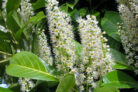
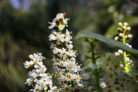
With its lush, dense green foliage, Cherry Laurel is a top pick for anyone looking to plant a beautiful privacy hedge. But honestly, these versatile shrubs can do so much more than just block out the neighbors! If you’re thinking about adding some to your yard, here’s a breakdown of the most popular Cherry Laurel varieties and what makes each one special.
[[plants]]
++”Novita” Cherry Laurel (Prunus laurocerasus Novita)
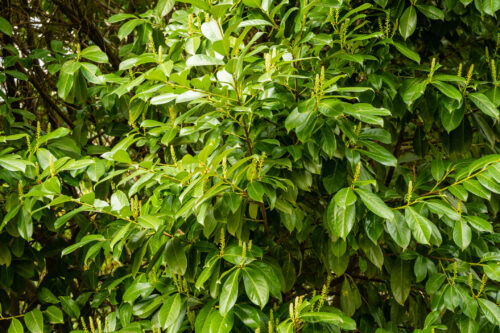
The “Novita” variety is a real standout thanks to its deep, dark green leaves and incredible winter hardiness. This tough cookie can handle temperatures as low as -4 °F (-20 °C), making it a breeze to get through the winter in most regions without much fuss. It typically grows to a natural height of about 20 inches. Because it’s so low-maintenance and resilient, it’s a huge favorite for home gardeners.
++English Laurel (Prunus laurocerasus Rotundifolia)
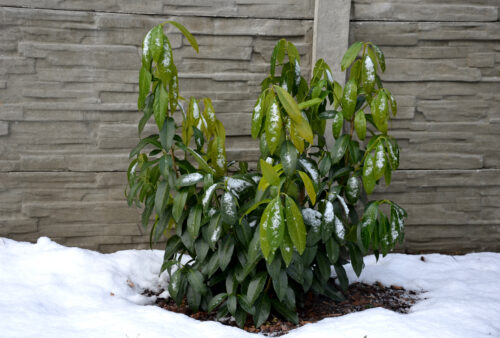
If you like a bold look, the English Laurel (often called “Rotundifolia”) features especially wide, thick leaves. Just a heads-up: this variety is only moderately cold-hardy, so it’s best to plant it in a spot sheltered from harsh winds. With the right nutrients, it can withstand dips down to about 7 °F (-14 °C). The great news is that even if it suffers some frost damage or you give it a heavy pruning, it’s a vigorous grower and bounces back quickly.
++Caucasian Cherry Laurel (Prunus laurocerasus Caucasica)
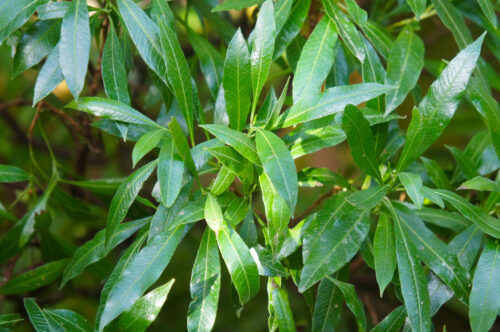
If you’re the impatient type (don’t worry, I am too!), the “Caucasica” is the way to go. It’s famous for being a fast grower, so you won’t have to wait years for your hedge to reach the perfect height. It’s hardy down to 0 °F (-18 °C) and sports those classic, glossy laurel leaves. It’s very reliable in most climates and, as an added bonus, it takes pruning really well, so you can keep it looking sharp.
++Portuguese Laurel (Prunus lusitanica)
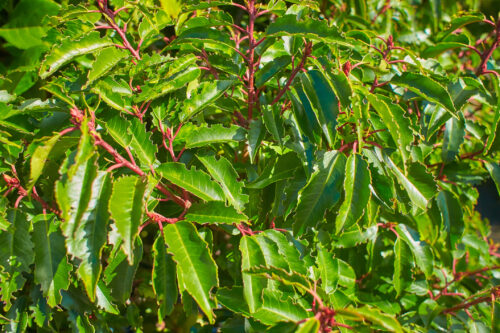
Even though the Portuguese Laurel hails from the Mediterranean, it’s surprisingly hardy! It has a more slender growth habit and smaller leaves than its cousins, which gives it a really elegant, sophisticated vibe. Many gardeners prefer this variety for its refined look. Because it grows so densely with those lovely elongated leaves, it makes for an absolutely stunning privacy screen.
++”Van Nes” Cherry Laurel (Prunus laurocerasus Van Nes)
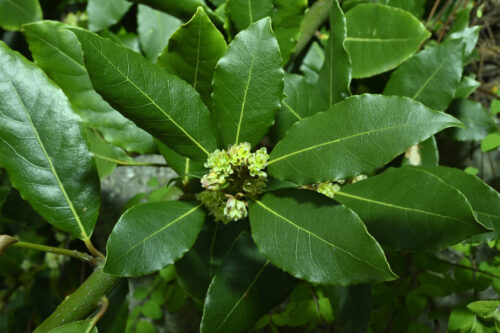
This variety is all about that thick, compact growth. To keep “Van Nes” happy, you’ll want to make sure you pick the right spot—it actually prefers partial shade. It’s a great choice for planting near a house wall or as a lush groundcover under large trees. Just keep an eye on the soil; make sure it’s nutrient-rich and that bigger “hungry” plants nearby aren’t stealing all the food!
++”Herbergii” Upright Laurel (Prunus laurocerasus Herbergii)
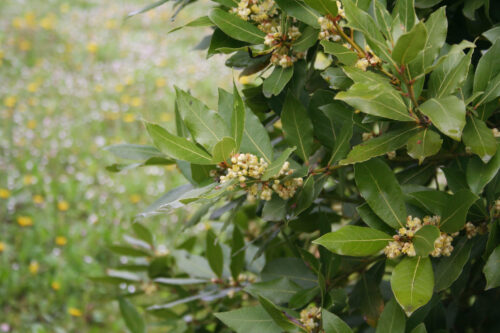
The “Herbergii” is a vertical superstar, growing tall and slender—sometimes reaching up to 11 feet! It has thicker leaves compared to other types and is known for being incredibly robust. One of the biggest selling points for this variety is its resistance to “shot hole” disease (those annoying little holes in the leaves). If you want a low-stress, healthy-looking hedge, this is a fantastic candidate.
++”Etna” Cherry Laurel (Prunus laurocerasus Etna)
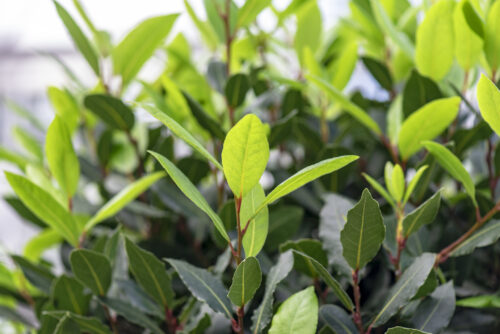
When it comes to frost resistance, “Etna” is practically in a league of its own. It’s also gorgeous to look at—the new growth comes in with a striking bronze-red tint. This variety is very forgiving when it comes to pruning, which gives you a lot of freedom to shape it. It’s even a great fit for smaller gardens because you can prune it back hard and it will reliably sprout right back. As long as you use the right technique, “Etna” is very forgiving!