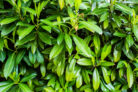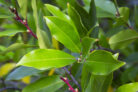
With its lush, evergreen leaves, cherry laurel is the go-to choice for creating a stunning garden hedge. But here’s the thing: these plants are vigorous growers! If you don’t want your hedge taking over the entire yard, your best bet is to choose a slow-growing variety from the start.
Not All Varieties Grow at the Same Speed
If you’re dreaming of a cherry laurel that stays manageable, you’ve got a few options. For starters, you can grow them in large containers or commit to a strict pruning schedule. This is a great way to keep the overall height in check. However, if you’re looking for a hedge that won’t require a chainsaw every weekend, picking the right cultivar is key.
For a slightly more relaxed pace, the ‘Herbergii’ variety is a solid choice. If you want something even lower to the ground, look into groundcover laurels. The slowest growers of the bunch are ‘Otto Luyken’ and ‘Zabeliana.’ As the name suggests, these tend to spread out horizontally rather than shooting straight up. They’re actually perfect for planting under large trees—since cherry laurel is super shade-tolerant, it’ll thrive even in those tricky, darker spots of your garden.
Growth Rates to Expect
- Etna: 12 inches per year
- Genolia: 16 to 24 inches per year
- Herbegii: 8 to 16 inches per year
- Caucasica: 16 to 20 inches per year
- Otto Luyken: 4 to 8 inches per year
- Rotundifolia: 16 to 20 inches per year
- Zabeliana: 8 inches per year
How to Keep Growth Under Control
The secret to a tidy laurel is regular pruning. Don’t be shy—these plants are tough and can easily handle two major trims a year. I recommend doing the first round in late February or early March, and the second in late July or early August. In between, feel free to do a little maintenance trimming to keep the shape looking sharp. You don’t need to be overly cautious; even after a radical cut-back, cherry laurel usually bounces back better than ever.