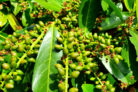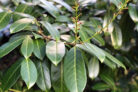
Since Cherry Laurel is a toxic plant, many gardeners are on the hunt for a fruit-free variety. It’s true that those dark berries are poisonous, but here’s the catch: there isn’t actually a variety that is 100% berry-free. However, by picking the right cultivar and following a few simple steps, you can keep the fruit to a bare minimum.
What to Look for When Choosing Your Variety
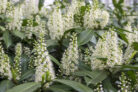
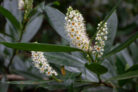
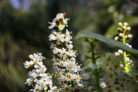
The logic is pretty simple: the fewer flowers your Cherry Laurel produces, the fewer berries you’ll have to deal with later. Since berries develop from wilted flower spikes, you’ll want to look for varieties like ‘Genolia’ or ‘Rotundifolia.’ These are known for being lighter bloomers. ‘Genolia’ is particularly great because it’s extra hardy against the winter cold, though keep in mind it has a slimmer, more upright growth habit—which is why it’s often called a Columnar Cherry Laurel.
Choosing the Right Spot
- Use loamy soil or a mix of garden soil and sand.
- Keep the soil loose with moderate moisture.
- Avoid spots with harsh, direct midday sun.
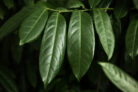
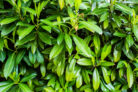
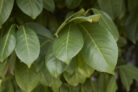
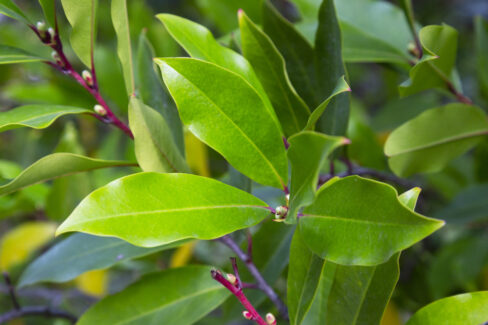
You should care for your Cherry Laurel just like any other shrub. After all, the goal is beautiful, lush evergreen foliage that looks great year-round! It’s not just the flowers and berries that need nutrients and water; those glossy leaves also rely on a healthy metabolism to stay vibrant.
The Secret Step: Post-Bloom Maintenance
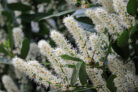
When the Cherry Laurel blossoms start to fade in May, your best bet is to prune them right off. This gives you two big wins at once. First, you get a berry-free hedge—if you remove the wilted flower spikes, the berries never get a chance to form. Second, a quick trim can sometimes encourage a second bloom and, more importantly, it boosts the plant’s overall natural growth.
Don’t let those clippings go to waste! You can absolutely toss them on your compost pile. Just be sure to run them through a shredder or wood chipper first to speed up the process. The toxic compounds in the plant break down during composting, meaning the finished humus is perfectly safe to use in your vegetable garden later on.