Let’s face it: our weather is changing, and our gardens are feeling the heat. Some trees handle environmental stress and shifting climates much better than others. If you’re looking to plant something that will thrive for years to come, check out these seven popular climate-resilient trees—plus one “insider tip” that we absolutely love.
[[pflanzen]]
++Norway Maple (Acer platanoides)
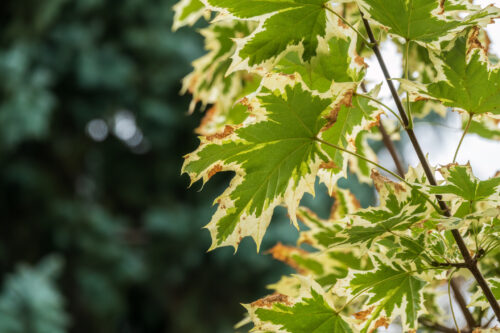
The Norway Maple is a classic choice for both backyard gardens and city streets, and for good reason—it’s incredibly low-maintenance and tough. This tree can handle those scorching, dry summers as long as its shallow root system has enough room to spread out. It grows into a lovely, rounded canopy with hand-shaped leaves that turn a stunning golden yellow in the fall. Bonus for nature lovers: the blossoms appear in March and are packed with nectar, making them a vital early-season snack for bees.
++Field Maple (Acer campestre)
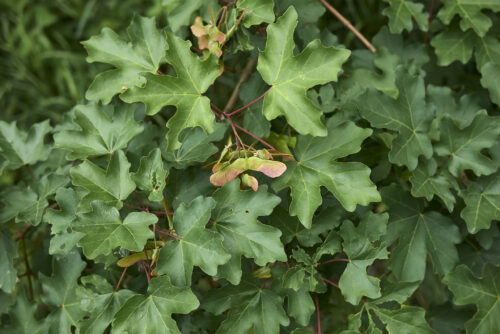
The Field Maple is a real survivor. It’s highly tolerant of salt, ozone, and urban pollution. This climate-resilient powerhouse can live for 200 to 300 years, eventually reaching heights of up to 65 feet. It handles pruning like a champ, which is why it’s a popular choice for tall, manicured hedges. You can tell it apart from other maples by its corky, ridged bark and small, leathery, five-lobed leaves.
++Wild Service Tree (Sorbus torminalis)
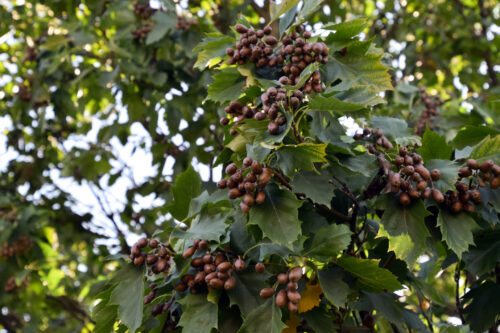
If you want to support local wildlife, the Wild Service Tree is a fantastic pick. Birds love the fruit, and insects flock to the white flowers in May and June. It’s very heat-tolerant and stands up well to drought. Just a heads-up: young trees can be a bit sensitive to frost, so give them a little extra protection during their first few winters. The leaves are gorgeous, too—blue-green on top and dark green underneath. While the small “apple” fruits aren’t toxic, they are super sour, so they’re best left for the birds!
++Mulberry (Morus)
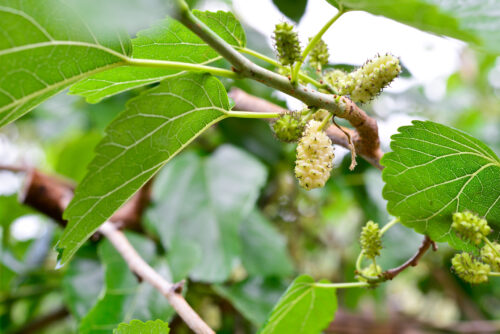
Mulberry trees are sun-worshippers and can handle intense heat without breaking a sweat. The White Mulberry (*Morus alba*) is particularly hardy and does well even in tougher climates compared to its cousin, the Black Mulberry. These trees grow to about 25 feet and feature elegant, fuzzy branches and heart-shaped leaves. You’ll have to be patient for the fruit, though—it usually takes five to seven years before they start producing those delicious berries in late June.
++Elm (Ulmus)
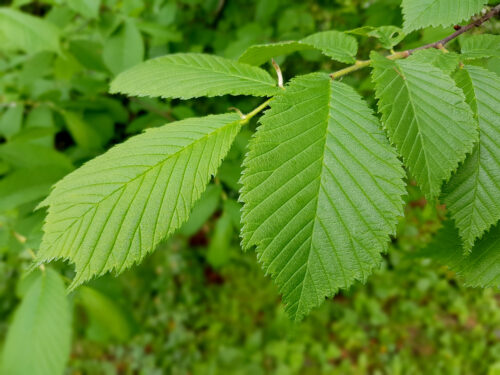
Thanks to new resistant varieties like *Ulmus x hollandica*, the Elm is making a huge comeback. These trees are incredibly adaptable, which is why they’re top-tier “climate trees.” They can grow into massive, 130-foot giants with wide, sweeping canopies. In the spring, you’ll see flowers appearing before the leaves even sprout. While they are tough, Elms really love a spot with plenty of water—you’ll often find them thriving naturally near rivers and floodplains.
++Sweetgum (Liquidambar)
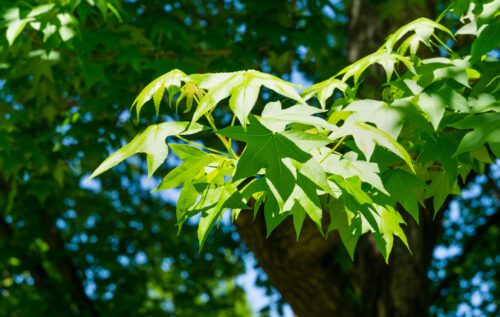
The Sweetgum is a showstopper with a sturdy personality. Because it grows fairly slowly when young, it’s a great fit for residential yards. The dense foliage looks a lot like maple leaves, but the real magic happens in late September when the tree explodes into shades of yellow, orange, and deep red. It also produces unique, woody “gumball” seed pods that often hang onto the branches well into spring.
++European Hornbeam (Carpinus betulus)
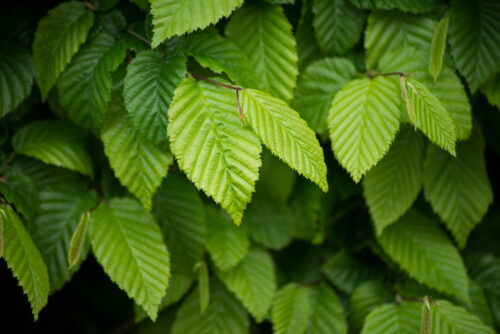
Tough, low-maintenance, and easy-going—the Hornbeam is the “all-rounder” of climate trees. It grows in almost any soil, is totally frost-hardy, and bounces back quickly after hot, dry spells. The leaves turn a bright yellow in the fall and then a papery brown in the winter. Since it often holds onto those brown leaves until spring, it makes an excellent privacy screen or hedge that stays thick all year round.
%%Our Secret Tip: Persian Ironwood (Parrotia persica)
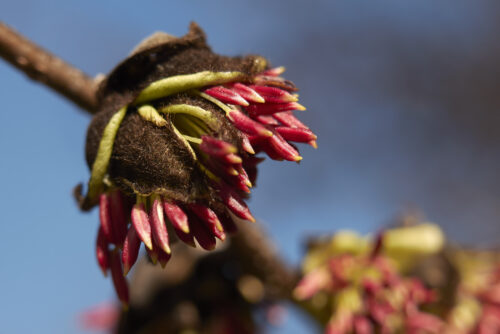
The Persian Ironwood is a bit of a hidden gem. It’s incredibly climate-resilient because it combines total winter hardiness with great heat tolerance—plus, it’s rarely bothered by pests or diseases. Usually growing with multiple trunks, this ornamental tree features tiny red flowers in early spring. The leaves start with a cool red edge before turning green, but the real finale is the autumn display: a spectacular mix of yellow, orange, red, and even purple.