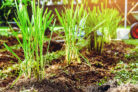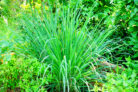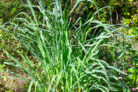
Lemongrass has become a huge favorite for gardeners and home cooks alike over here. It’s super versatile and adds a bright, zesty punch to all sorts of dishes—not just Asian cuisine! While you probably don’t want to munch on it raw (it’s a bit tough on the stomach), it’s an absolute game-changer when cooked.
Yes, Lemongrass is Edible!
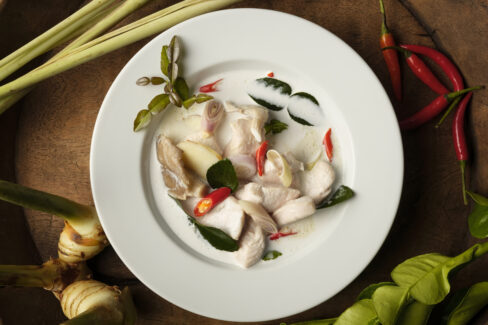
Thanks to its aromatic essential oils and spicy-citrus profile, lemongrass is a fantastic addition to your kitchen pantry. It’s famous for giving Thai and Vietnamese dishes that signature “zing,” but don’t be afraid to experiment! It works surprisingly well in Western recipes, adding a sophisticated layer of flavor to soups, stews, and even roasted veggies.
Different Ways to Cook with Lemongrass
If you’re ready to start cooking with your harvest, there are two main ways to go about it:
- Simmering the whole stalks directly in the pot (and removing them later).
- Finely mincing or crushing it to use as a flavorful topping.
Using Whole Stalks for Infusion
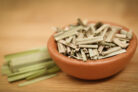
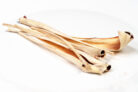
For a deep, infused flavor, simply toss a few stalks of lemongrass directly into your pot while your food simmers. This allows those intense aromatic oils to release straight into your sauce or broth.
Before you serve the meal, just fish the stalks out. While they are technically edible, they tend to lose most of their flavor after a long simmer. Plus, the stalks are naturally quite woody and fibrous, making them pretty tough to chew even after they’ve been cooked.
Using Lemongrass as a Topping
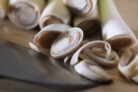
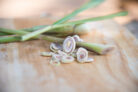
If you want to eat the lemongrass along with your meal, you’ll need to prep it carefully. The key is to mince it very finely. For the best texture, I recommend using a mortar and pestle to grind the minced pieces into a fine paste. Prepared this way, it makes a beautiful and fragrant garnish for savory dishes or even fancy summer cocktails!
Brewing Lemongrass Tea
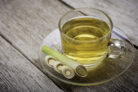
Lemongrass isn’t just for eating—it’s wonderful for drinking, too! It makes a delicious, natural herbal tea that’s great for soothing an upset stomach or aiding digestion. To make it, just pour boiling water over a few stalks and let it steep for several minutes. Strain out the plant pieces, and you’ve got a refreshing, healthy brew ready to enjoy.