Originally hailing from the tropical regions of Asia, lemongrass is definitely a sun-lover and isn’t built for the cold. While it thrives outdoors during those warm summer months, you’ll need to have a game plan for overwintering once the temperatures start to dip.
Lemongrass and the Cold
Since lemongrass comes from warm climates, it has zero tolerance for frost. But here’s the kicker: you don’t even have to hit freezing for it to struggle. Once the thermometer drops below about 40°F (5°C), this heat-loving herb starts getting stressed. That’s your cue to move it to a cozy indoor spot.
Watch Out for Nighttime Chills
Keep a close eye on those nighttime temps in the spring and fall. Even if the days are sunny and gorgeous, the temperature can plummet after dark. If there’s any chance it’ll drop below that 40°F mark, play it safe and bring your lemongrass inside for the night.
Finding the Perfect Winter Spot
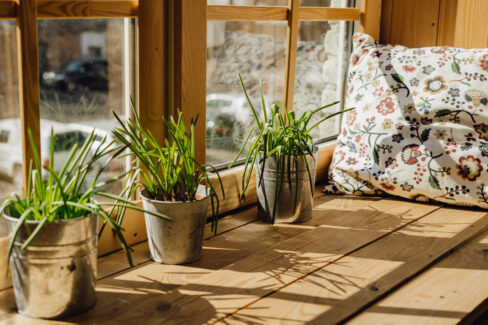
When picking a winter home for your lemongrass, think “bright and cozy.” It needs a spot that stays moderately warm and gets plenty of light. Lemongrass is a light-junkie even in the winter, so if your windows aren’t cutting it, you might want to supplement with a grow light.
Great spots for overwintering include:
- A heated greenhouse
- A sunny sunroom or conservatory
- A bright, warm windowsill inside your house
Overwintering Potted Lemongrass
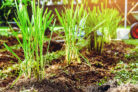
If you’re already growing your lemongrass in a pot or container, you’re one step ahead—just carry the whole thing inside! However, if you planted yours directly in the garden, you’ll need to carefully dig it up in the fall and move it into a pot. Be extra gentle so you don’t damage the root system. Pro tip: Next year, try “sink-potting”—bury the lemongrass while it’s still in its plastic nursery pot. It makes lifting it out of the ground in the fall a total breeze!
Winter Care Tips
During its winter nap, your lemongrass won’t need much attention. Water it sparingly—only when the soil feels dry to the touch—and skip the fertilizer entirely. You should also hold off on pruning and especially harvesting until the plant wakes back up in the spring.