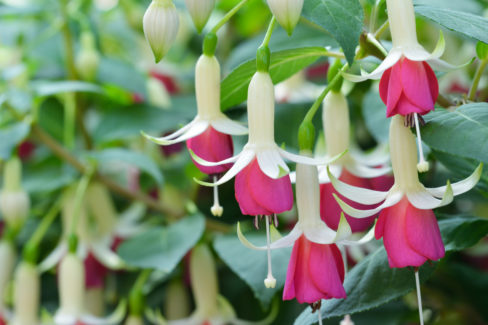
Fuchsias are legendary for being “everbloomers,” meaning they have the potential to show off those gorgeous, bell-shaped flowers almost all year long. But what happens when your fuchsia decides to go on a blooming strike? If you’re staring at a plant that’s all green and no color, don’t worry—I’ve got you covered.
Let’s dive into why your fuchsia might be holding back and how you can get those blossoms popping again.
Possible Reasons Your Fuchsia Isn’t Blooming
If your fuchsia is refusing to flower, it usually boils down to a few basic care hiccups. Here are the most common culprits:
- The wrong location
- Watering or fertilizing mistakes
- Root rot or standing water
- Uninvited pests
Location, Location, Location
Your fuchsia might just be unhappy with its “real estate.” These plants are a bit like Goldilocks: they need a spot that’s bright, but they absolutely hate direct, scorching sunlight. If they get baked in the sun, they’ll get stressed out pretty quickly. Plus, the roots can dry out and die, which is bad news for the whole plant.
On the flip side, you don’t want to tuck them away in a dark corner, either. They need light to fuel the energy required for those big blooms. If it’s too dark, the plant will get “lazy” and stop producing flowers altogether.
The sweet spot? Aim for a bright location with partial shade or filtered light. That’s where they’re happiest and most likely to show off.
Watering and Feeding Fails
Fuchsias are hungry and thirsty plants! To keep them happy, they need consistent moisture and a steady supply of nutrients. If the soil stays dry for too long, the plant will prioritize survival over flowering, and any existing buds will likely drop off.
Regular fertilizing is also key. Think of fertilizer as fuel—without those extra nutrients, the plant won’t have the strength to push out new growth and blossoms. If you’ve been skipping the plant food, that might be your answer right there.
Root Rot and Soggy Feet
While fuchsias love moisture, there is definitely such a thing as “too much of a good thing.” They absolutely hate sitting in stagnant water. If your pot doesn’t have good drainage, the water collects at the bottom, leading to root rot. Once the roots start rotting, the plant can’t take up nutrients, and it can eventually lead to the death of the entire plant. Always make sure excess water can drain away freely!
Pests
If you’ve checked all the boxes above and your fuchsia is still acting stubborn, you might have some tiny intruders. Pests can sap the energy right out of your plant. If your fuchsias are planted directly in the ground, keep an eye out for voles or root weevils—they love to munch on the root systems, which can stop a plant’s blooming cycle dead in its tracks.