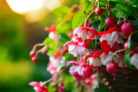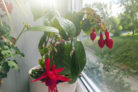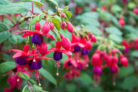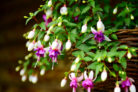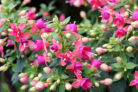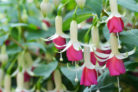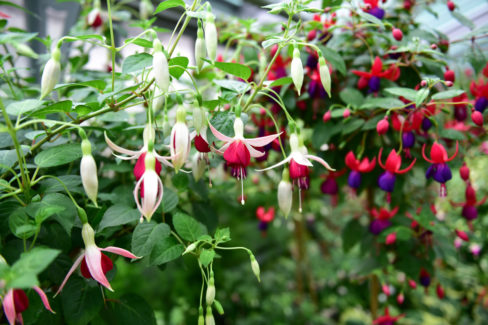
Fuchsias are total nutrient junkies! If you want those iconic, dangling blooms to thrive on your balcony or in your garden, you’ve got to be the one providing the “snacks.” Since they’re such heavy feeders, regular fertilizing is the secret sauce to a stunning display.
Choosing Your Fertilizer
When it comes to feeding your fuchsias, you’ve generally got two main options:
- Liquid fertilizer
- Slow-release (granular or spike) fertilizer
Going the Liquid Route
Liquid fertilizer is like a quick energy drink for your plants—it delivers nutrients fast. However, you have to be careful not to overdo it, as “nutrient burn” can actually be fatal for fuchsias. Always stick to the dosage on the label and mix it thoroughly with plenty of water. The big upside? Because you’re giving them targeted, regular boosts, you’ll usually see much more vigorous growth and an explosion of flowers.
The “Set It and Forget It” Method: Slow-Release Fertilizer
Slow-release options usually come as granules or spikes. These are great because they break down slowly, feeding your plants a steady “diet” for about three months. I recommend using these in the spring; it sets your plants up for the season so you don’t have to worry about constant feeding. Just a heads-up: don’t start using slow-release fertilizer in late summer. Fuchsias need fewer nutrients as they head into fall, and you don’t want them overstimulated when they should be winding down.
Timing is Everything
The best time to start is right after you’ve repotted your plants. Mixing some slow-release fertilizer into the fresh soil gives them a great head start. If you do this, hold off on any extra feeding for the first few months. Even though fuchsias love to eat, too much fertilizer can lead to root rot, which is a one-way ticket to plant heaven.
If you prefer liquid fertilizer, just mix it into your watering can once or twice a week at the recommended strength. You’ll want to keep this routine steady during their peak growing and blooming phase—usually from March through August. Once September rolls around, your fuchsias are ready for a nap, so you can stop fertilizing and let them enter their natural rest period.