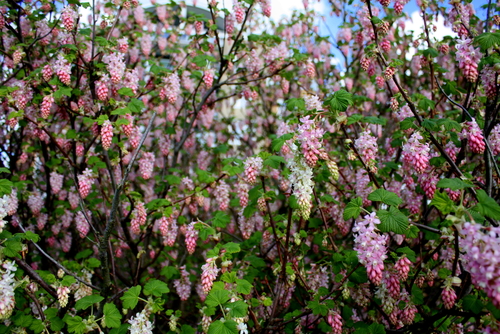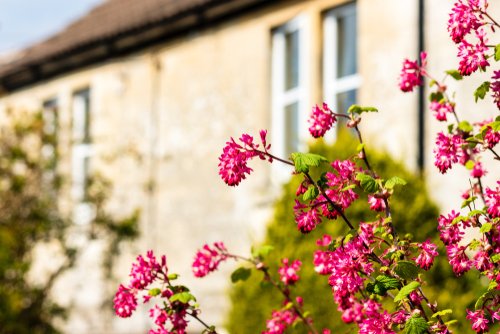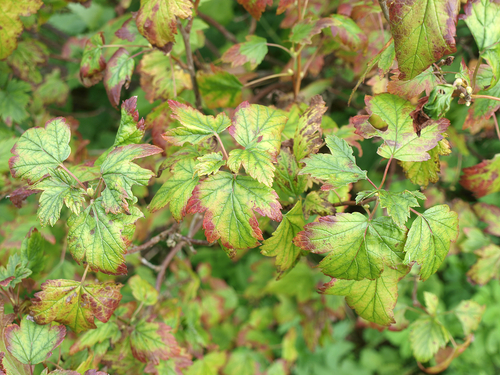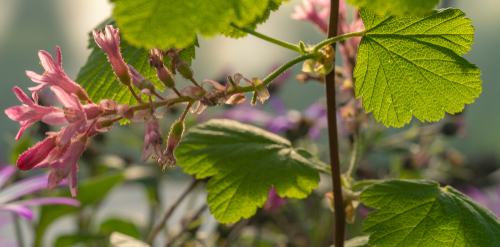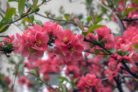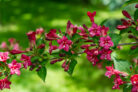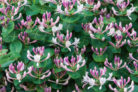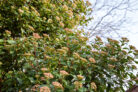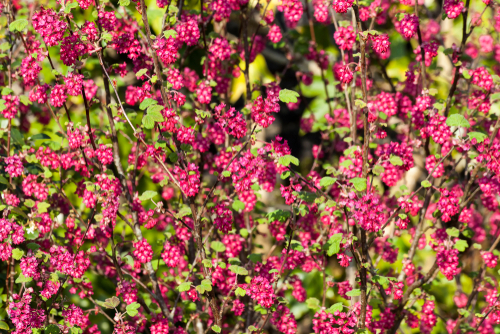
Unlike your standard garden currants, Red Flowering Currants (Ribes sanguineum) are actually pretty low-maintenance when it comes to pruning. They’ll happily bloom and produce fruit year after year without much fuss. You really only need to reach for the shears if they start losing their shape or getting a bit too tall for your liking.
The Best Time to Prune
If you’re planning on giving your Flowering Currant a haircut, timing is everything. The best window is in the spring, right after the flowers have faded. Focus your efforts on the two-year-old wood, but remember: less is more! Be gentle with the pruning, because if you get too aggressive, you might accidentally cut away next year’s flower show.
How to Prune Like a Pro
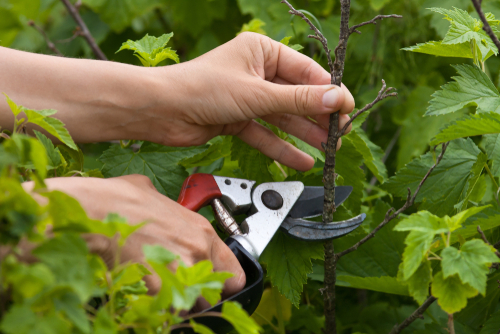
When you’re shortening branches, a good rule of thumb is to never take off more than a third of the length. You also want to make sure you’re cutting just above a bud that’s facing outward. This encourages the plant to grow away from the center, keeping it nice and airy.
For any branches that are totally dried out or dead, go ahead and cut those off right at the base. Just be careful not to nick the main trunk while you’re at it. It’s also a great idea to clear out any branches that are crossing over each other or growing too densely in the middle. Thinning these out lets more light and air reach the center of the shrub, which keeps the whole plant healthier.
Keep an eye out for “suckers”—those thin shoots that pop up from the ground near the main stem. These are nutrient-hogs that don’t produce any fruit, so it’s best to snip them off so the main plant gets all that energy. Here’s a quick checklist of what to prune:
- Water sprouts and suckers
- Old or diseased wood
- Dead or bare branches
- Overcrowded stems in the center
Keep it Light
If your Flowering Currant isn’t blooming, there’s a good chance it was pruned a little too heavily the year before. If you cut off too many tips, you’re essentially cutting off the future flowers. If you really need to do a major “shape-up,” try to do it in early spring or late fall before the first frost hits. Again, don’t go overboard, or you’ll sacrifice your harvest and those beautiful blooms. The only exception is if you’re dealing with pests or diseases—in that case, you should prune back until you hit healthy wood.
By the way, these shrubs are fantastic for edible hedges! They look great and provide plenty of fruit, and the best part? They still only need a light trim every now and then to stay looking their best.