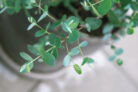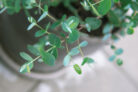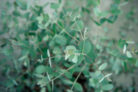
The Snow Eucalyptus is a total gem from Down Under. This Australian rarity features stunning evergreen foliage and is surprisingly tough, handling temperatures as low as -4 °F (-20 °C). If you’re looking to add this beauty to your garden, grab some seeds and follow these tips to get started.
How to Grow Your Seeds
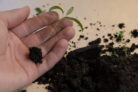
As a specific Eucalyptus species, the Snow Eucalyptus is a “light germinator.” This means the seeds need more than just water and nutrients to wake up—they need direct sunlight. When planting, never bury them under the soil. Instead, gently press them onto the surface so they can soak up those rays.
Another pro tip for successful growing is proper preparation. To jumpstart germination, these seeds usually need a cold snap. You can easily mimic nature by popping your seeds in the fridge for about a week before you plan to plant. Once they’ve had their “winter” nap, they’re ready to go!
Step-by-Step Planting Guide
- Prep your seeds by chilling them in the refrigerator for one week.
- Mix up a substrate using seed-starting soil blended with a bit of coconut coir, peat, or sand.
- Fill your starter pot with the mix.
- Place the seeds on top of the soil and press down very lightly.
- Find a sunny spot that stays between 68-77 °F (20-25 °C).
- Water regularly, but make sure the soil isn’t waterlogged.
Care and Repotting Tips
Patience is key at the beginning! It usually takes about three weeks for the Snow Eucalyptus to show signs of life. Once it gets going, though, it grows incredibly fast. As soon as your plant hits about four inches (10 cm) tall, it’s time to move it to a larger pot or plant it outside.
When repotting, make sure the new container gives the root ball plenty of elbow room. Be extra careful with the roots—never trim or cut them. Choose a location for your young plant that gets tons of sun and has excellent drainage. “Wet feet” (standing water) is the quickest way to damage the root system.
You only need to fertilize once a year, ideally during the spring growth spurt. When it comes to watering, this plant prefers “soft” water. You can use a filter, let your tap water sit out for a day, or—my personal favorite—simply use rainwater.