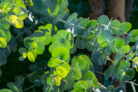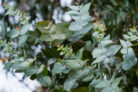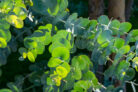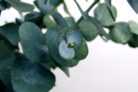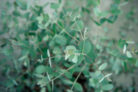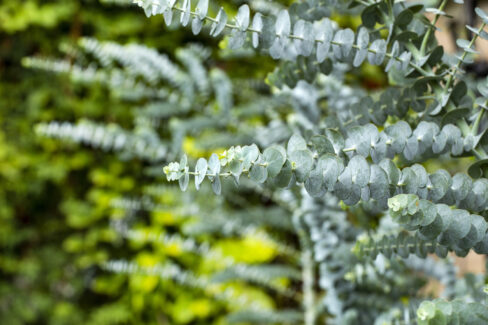
Eucalyptus originally hails from Australia and Indonesia, which means it’s used to a much warmer climate than what we typically see here in the States. Because it’s only semi-hardy, it can be a bit picky about its environment. But don’t worry—if you follow a few simple tips, you can successfully grow this beautiful tree as either a houseplant or a stunning addition to your backyard.
Finding the Perfect Light and Nutrients
Next to the koala, the eucalyptus plant is probably the most iconic symbol of the Land Down Under. Since our weather is quite different from the Australian Outback, choosing the right spot when planting or placing your tree is key to helping it thrive. Generally, eucalyptus loves a sunny or partially shaded area.
The most important thing is making sure your plant gets several hours of direct sunlight every day. It also craves warmth. If you’re keeping yours as an indoor plant, standard room temperatures usually do the trick. However, if it’s out in the garden, you’ll need to make sure it’s properly winterized or brought inside once the temperatures start to drop.
Try to find a spot that’s sheltered from the wind, as cold drafts can really stress the plant out. To keep those signature leaves looking lush and green, use a liquid fertilizer that is low in nitrogen and phosphorus. With a little bit of a green thumb, you can give your eucalyptus everything it needs to flourish, even in a less-than-tropical climate.
The Best Soil for Healthy Growth
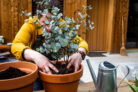
Eucalyptus prefers sandy soil that’s rich in nutrients right from the start. When you’re planting, I recommend mixing your soil with some compost or high-quality potting mix. If your garden soil is a bit heavy, you can always mix in some extra sand to improve drainage. This goes for potted eucalyptus and eucalyptus bonsais, too—they need consistent care and a regular dose of fertilizer in their water to stay happy.
Make sure the soil is nice and loose; you can even add a bit of mulch to help with the texture. Loose soil allows the roots to spread out easily and soak up all those essential nutrients. And hey, if you notice the leaves looking a little sad, it might be a sign that the tree isn’t getting what it needs—in that case, don’t be afraid to transplant your eucalyptus to a better spot!