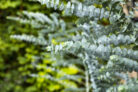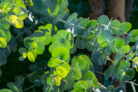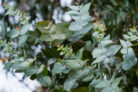
Eucalyptus might be a native of the sunny Australian Outback, but that doesn’t mean you can’t bring a little bit of that Down Under charm to your own backyard! While it comes from a totally different climate, this plant can actually thrive in your garden if you follow a few simple steps. Here’s how to get your eucalyptus off to a great start.
Planting Your Eucalyptus the Right Way
Timing is everything! The best time to get your eucalyptus in the ground is during the spring. I usually recommend waiting until May—this ensures the threat of frost has passed, and it gives the plant that extra “spring boost” to establish a strong root system. Next up, you’ll need to pick the perfect spot. Look for a sunny, sheltered area that’s protected from harsh winds and has soil that drains well (eucalyptus hates having “wet feet”).
- Loosen up the soil and dig a hole large enough for the root ball
- Mix in a little compost to give it some natural nutrients
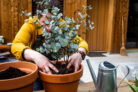
- Set the plant in, cover the roots with soil, and press down firmly to remove air pockets
- Give it a good, deep soak right away
If you don’t have much garden space, don’t worry! Eucalyptus does great in containers or on a balcony. Just make sure you choose a pot large enough for the roots to spread out. Use a mix of potting soil and sand (or coconut coir) to keep things airy, and definitely add a drainage layer at the bottom to prevent water from pooling.
Post-Planting Care and Maintenance
When it comes to watering, eucalyptus prefers soft water—so if you can, use rainwater or filtered water. As for feeding, less is definitely more. Over-fertilizing is a common mistake that can lead to brown leaves. You can either use a liquid fertilizer every week or two during the peak growing season or simply opt for a slow-release fertilizer once.
Keep a close eye on those leaves as the plant settles in. Don’t be afraid to give it a light trim after planting; this actually encourages the plant to grow fuller and stronger. If the leaves look vibrant and healthy, you’ve nailed the location! However, if the plant starts to struggle or drops its leaves, you might want to re-evaluate its spot in the garden.