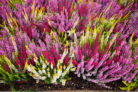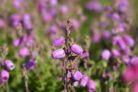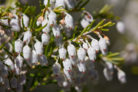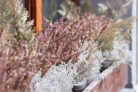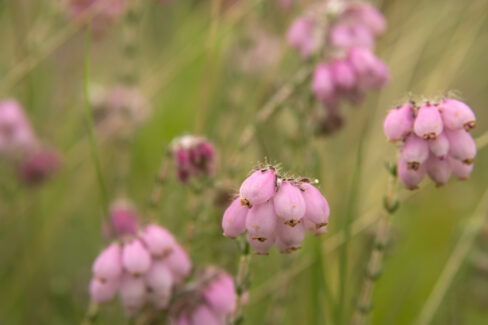
Depending on where they come from, Bell Heathers (Erica) aren’t always the toughest cookies when it comes to winter. For example, the popular *Erica gracilis* from South Africa can only handle a light dip down to about 25°F (-4°C). Our European friend, the Cross-leaved Heath (*Erica tetralix*), is a bit hardier but still only tolerates light frost.
Is Bell Heather Winter-Hardy?
Here’s a pro tip: *Erica gracilis* absolutely hates having “dry feet.” You need to keep the root ball moist year-round. Even in the winter, you’ll need to give it a drink regularly—just make sure you only water on days when the ground isn’t frozen.
If your Bell Heather doesn’t make it through the winter, don’t automatically assume it froze to death. More often than not, these plants actually die of thirst!
Finding the Perfect Winter Spot
Let’s be real: Bell Heathers are usually pretty budget-friendly, so most gardeners treat them as annuals and buy fresh ones each season. It’s definitely the low-maintenance route! You’ll often see them left in window boxes or cemetery planters through the holidays before they get tossed in the spring.
But, if you’ve got a particularly stunning variety or you just hate the idea of throwing away a perfectly good plant, you can totally overwinter them without too much fuss. You can even enjoy them inside your home for a little while before moving them to their winter “dorm.”
A good winter home for your heather should be:
- Bright and frost-free. If you’re short on sun, a semi-shaded spot will work in a pinch.
- Chilly but not freezing. Aim for temperatures between 40°F and 50°F (5-10°C).
Irish Heath is a bit more rugged and can handle colder temps, but avoid sticking any of them in a dark basement. A cool, bright stairwell or a frost-proof greenhouse is much better.
Winter Care Tips
When it comes to watering, don’t go overboard. If the soil stays soggy, the roots will rot, and that’s game over for your Erica.
As for feeding? You can put the fertilizer away. Once the blooming season ends, they don’t need any extra nutrients until spring.
Planting Your Bell Heather
When you’re ready to plant, standard potting soil works fine, but they really love specialized rhododendron or azalea soil. If you want to be a real garden hero, mix in a little sand to help with drainage.
While they aren’t typically grown as long-term houseplants, their adorable bell-shaped flowers make them a fantastic decorative highlight for your garden beds or balcony containers!