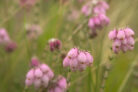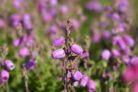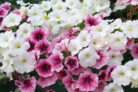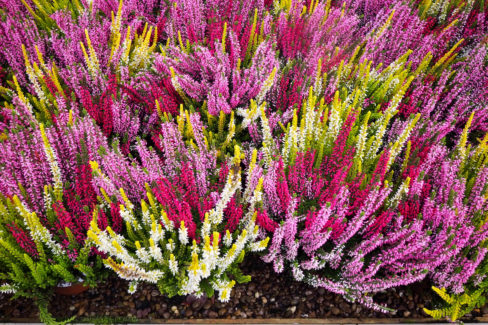
Bell heather comes in a huge variety of species and cultivars, each with its own unique charm. One of the most common types you’ll see at the garden center is *Erica gracilis*. Since it’s originally from South Africa, it isn’t winter-hardy in colder climates, but it puts on a stunning show from late summer through October. If you’re looking for something that starts a bit earlier, the popular Irish heath (*Daboecia cantabrica*) begins blooming in July and keeps going right through September.
Bell Heather Brightens Up Early Autumn Meadows
The secret to a garden that’s always in bloom is mixing and matching different varieties. By choosing the right cultivars, you can stretch that flowering season significantly.
Here are a few of my favorite varieties for year-round color:
- Erica hiemalis: This one features unique hairy leaves and doesn’t even start blooming until the winter months.
- Erica ventricosa: A real workhorse! You can enjoy its beautiful white or red petals from spring all the way into autumn.
Planting Your Bell Heather
When it comes to soil, bell heather isn’t too picky. You can use standard potting soil or a specialized rhododendron mix. Pro tip: I like to mix in a little sand with either option to help with drainage.
While you won’t usually find *Erica* kept as a houseplant, its bell-shaped flowers make it a gorgeous focal point for your flower beds or in containers on the patio.
Watering and Fertilizing Tips
The Irish heath is a bit of an outlier because it naturally grows in bogs, meaning it can handle a little “wet feet” (standing water). However, you never want the root ball to dry out completely, as that’s a death sentence for most heathers. They also really prefer soft water or rainwater over hard tap water.
For most other bell heather varieties, you should actually let the soil dry out slightly on the surface before watering again. As for feeding, you only need to fertilize from April to September. Keep it light, though—heathers aren’t heavy feeders. If you’ve just repotted them in fresh soil, you can skip the fertilizer altogether for a while.
Winter Care for Bell Heather
The Irish heath is somewhat winter-hardy, but the South African varieties definitely can’t handle a freeze.
For both types, the best way to overwinter them is to move them to a frost-free spot that stays between 40°F and 50°F (5 to 10 degrees Celsius).
Your heather will be happiest in a bright winter spot, though they’ll tolerate partial shade if needed.
To be honest, because these plants are so affordable, most gardeners don’t bother overwintering them. It’s often easier to just treat them as annuals and pick out fresh new varieties the following season!
Propagating Bell Heather
If you’re feeling adventurous, you can grow bell heather from seeds or cuttings. Since they’re so inexpensive to buy at the nursery, most hobby gardeners don’t go through the trouble. But if you want to give it a shot, take four-inch cuttings from mature, one-year-old shoots and see how they do!