Let’s be honest—everyone loves the look of a blooming heath. If you’ve ever seen photos of the Lüneburg Heath in Germany or the moors of Scotland, you know that when these plants take over a landscape, they turn it into a stunning sea of vibrant purple. But did you know that common heather (also known as Scotch heather) is more than just a pretty face? It’s actually packed with some pretty impressive “inner qualities” that have been used in traditional herbal medicine for ages.
The Good Stuff: Active Ingredients and Benefits
Heather is loaded with natural compounds like essential oils, minerals, tannins, glycosides, resins, silica, and saponins. Because of this powerhouse lineup, the plant is known for several healing properties:
- Antiseptic and anti-inflammatory
- Blood-purifying and detoxifying
- Calming and soothing
- Diuretic (helps flush the system)
- Expectorant (helps clear out mucus)
Harvesting: When and What to Pick
If you’re looking to harvest your own, August and September are your prime months. You’ll want to collect the tender shoot tips, leaves, and those beautiful flowers from the common heather (*Calluna vulgaris*). Tree heath (*Erica arborea*) is also great for medicinal use.
A quick pro-tip: Be careful while you’re picking! These flowers are incredibly rich in nectar, which means they’ll be buzzing with happy bees. In fact, this is exactly where that delicious, dark heather honey comes from.
How to Use Heather: Inside and Out
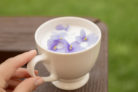
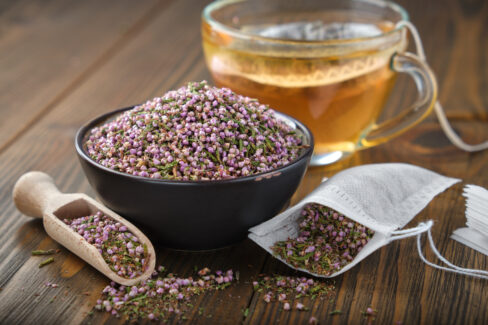
You can use the individual parts or the whole harvested sprig to make an infusion (basically a strong herbal tea). This “liquid gold” can be used in two ways:
Internally: Drinking the tea is a classic remedy for bladder, kidney, and urinary tract infections. It’s also traditionally used to help with gout and rheumatism. During cold and flu season, it’s a reliable go-to for soothing a cough and clearing out congestion.
Externally: You can apply the infusion topically to help soothe eczema, skin rashes, or general redness.
Quick Tip:
If you’re struggling with rheumatism or gout, try a “heather bath.” Just add a bunch of flowers or a large pot of pre-made infusion to your bathwater and soak your aches away.
Recipe: Homemade Heather Tea/Infusion
Making your own heather infusion at home is super simple. If you don’t have a garden or a wild spot to harvest from, you can easily find organic dried heather online.
1. Take one tablespoon of flowers and pour about 8 ounces (250 ml) of hot water over them.
2. Let it steep for about 5 to 10 minutes to make sure all those active ingredients are released.
3. Strain out the solids using a fine mesh sieve.
You can use this liquid for skin rinses and compresses, or just drink it as a tea. Feel free to sweeten it to taste! A typical dose is about 1 to 3 cups a day.