Once your hyacinths have finished their big spring show, they need a nice, long nap to recharge their batteries for next year. But does that mean you can just kick back and relax, or is there work to be done? Let’s dive into how to handle your hyacinths once those blooms fade.
Hyacinths are Perennials (Yes, Really!)
Once a hyacinth stops blooming, it definitely loses its “supermodel” looks. The leaves start turning yellow, and the plant begins to retreat back into its bulb. Sadly, many indoor gardeners just toss the bulb at this point to free up the pot. What a waste! With just a little bit of TLC, that bulb will sprout again next year and put on just as beautiful a show.
Most hyacinths wrap up their blooming season by May. The best part? From that point on, they are incredibly low-maintenance.
Post-Bloom Care Guide
Want to keep your hyacinths coming back year after year? Here’s your game plan:
Pruning Your Hyacinth
Whatever you do, don’t grab the shears the second the flowers fade. As long as those leaves are green, you need to be patient. The plant is actually using that foliage to soak up nutrients and energy—without it, the bulb won’t have the strength to bloom again next spring.
Wait until the leaves have turned completely yellow before you cut them back. If you’re growing them indoors, you don’t even really need to prune; the withered leaves will eventually fall off on their own. Of course, if things are looking a bit messy, feel free to pluck off any brown, dead bits to keep things tidy.
When you do cut, don’t go too deep. Leave a few millimeters of the stem base so you aren’t leaving a “wound” right at the bulb.
Watering and Fertilizing
Hyacinths like their soil to stay consistently moist while they’re active. However, soggy feet in the winter are a big no-no. If yours are in the garden, make sure the soil drains well (mixing in a little sand helps a ton).
It’s a good idea to fertilize right before and right after the blooming period. A simple liquid fertilizer will give the plant a nice vitality boost. But once the hyacinth goes into full winter dormancy, stop the water and the fertilizer completely.
Pro Tip: The “Chill” Factor
To get an indoor hyacinth to bloom again, you have to “stratify” the bulb—which is just a fancy way of saying it needs a cold nap. Here’s how to do it with potted plants:
- Dig the bulb out of the pot once the foliage has died back.
- Gently brush off any leftover dirt.
- Store the bulb in a cool, dark place.
- Wrapping it in newspaper is a great way to keep it protected.
- Let the bulb rest and recharge for about eight weeks.
- After that, move the bulb to the fridge (or outside on a chilly porch) to simulate winter.
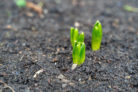
- Once it starts sprouting, slowly introduce it back to the spring sunshine.
While caring for bulbs isn’t too much work, you can make your life even easier by planting your indoor bulbs out in the garden bed after their first year. Nature will take care of the “chilling” process for you during the winter, and you won’t even need to provide extra winter protection!