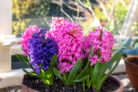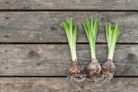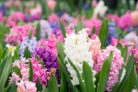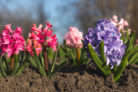
Even though hyacinths are pretty low-maintenance, getting the watering just right takes a little bit of a “green thumb” touch. These spring beauties are a bit like Goldilocks—they hate sitting in soggy soil, but they don’t want to be bone-dry either. I’ve put together some tips to help you find that perfect middle ground so your hyacinths can really show off their blooms.
Hyacinth Water Needs
Not too dry, not too wet—that’s the hyacinth sweet spot. You’ll find they’re thirstiest during their big growth spurt in the spring.
Watering Hyacinths in the Garden
The great thing about spring is that Mother Nature usually does the heavy lifting for you. Since the ground is typically naturally damp this time of year, you often won’t need to head out with the watering can at all for your outdoor hyacinths.
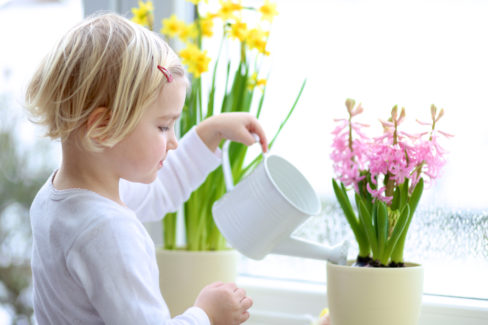
Watering Potted Hyacinths
When you’re growing them in containers, you can’t really rely on the weather. You’ll need to step in and help out during the growing phase, but be careful not to overdo it. My favorite trick? Use the “thumb test.” Stick your thumb into the soil; if the top layer feels dry, it’s time for a drink.
Pro Tip: If you notice the leaves turning yellow, it’s often a sign that water isn’t actually reaching the roots. This usually happens if your soil is packed too tight.
What to Watch Out For
During the winter, hyacinths go into a much-needed nap (dormancy). This rest period is essential if you want to see those gorgeous flowers in the spring. During this time, just leave them be—no watering allowed!
Also, when you do water, try to aim for the soil around the plant. You want to avoid pouring water directly onto the bulb itself, as that can lead to rot.
Avoiding Soggy Roots
Hyacinths like moisture, but “wet feet” (standing water) is their worst enemy. Here are a few tricks to keep things draining properly:
- Always make sure your pots have drainage holes at the bottom.
- Add a layer of clay pebbles or grit at the bottom of your containers.
- Don’t forget that thumb test before you grab the watering can!
- If planting in the garden, mix some gravel into the soil for better drainage.
- Gently loosen the soil around the bulb every now and then.
Pro Tip: A great way to play it safe is to skip the heavy watering and use a spray bottle to mist the soil a few times a day instead. If you go this route, you’ll only need to give them a “real” watering about once a week.