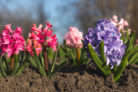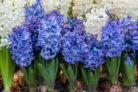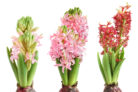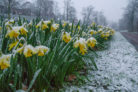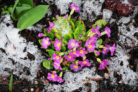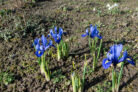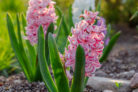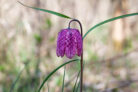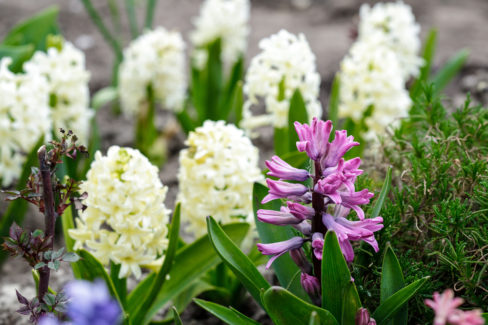
How do hyacinths handle frost? That’s a question I hear all the time, and not just from beginner gardeners! Plenty of folks get a little nervous about how these beautiful blooms survive the winter. In this post, I’m breaking down everything you need to know to keep your hyacinths happy when the temperature drops.
Are Hyacinths Frost-Hardy?
The short answer? Yes! Hyacinths aren’t just perennials; they are incredibly hardy. They can handle very low temperatures and will survive just fine even when the ground freezes solid.
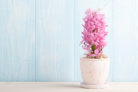
Quick Tip: This only applies to hyacinths that have been growing outdoors from the start. If you bought a “forced” hyacinth (one grown indoors to bloom early), it won’t be winter-hardy yet. Keep those inside until the last frost has passed in May before moving them to the garden.
Why Frost is Actually a Good Thing
Believe it or not, hyacinths actually *need* a cold snap. Exposure to freezing temperatures is what triggers the bulb to sprout in the spring. Without that winter chill, the plant won’t produce those iconic, fragrant flowers.
Do They Need Winter Protection?
Since hyacinths spend the winter completely underground, you don’t need to worry about fancy protective gear. You don’t even need to mulch them! In fact, heavy mulching can actually get in the way of “stratification”—that’s the fancy botanical term for the cold period bulbs need to bloom.
Cold temperatures act like a natural “pause button,” preventing the hyacinth from sprouting too early in the fall. If they bloomed in the middle of winter, the foliage would just freeze and die back.
Quick Tip: If you’re buying bulbs from a garden center in the fall, they’ve usually already been “pre-chilled” or stratified for you.
How to Overwinter Your Hyacinths
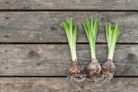
If your bulbs are in the ground, nature usually takes care of the stratification process for you. However, if you live somewhere with a very mild winter, your hyacinths might need a little “nudge” to get going. Here’s how to help them along:
- Dig up the bulb.
- Plant it in a small pot with some potting soil.
- Pop the pot into the crisper drawer of your refrigerator.
- Once you see the first little green sprout, move the pot to a bright spot.
- Give it a little water, but don’t overdo it.
- Slowly introduce the plant to warmer temperatures so it doesn’t get shocked.
Quick Tip: If the outdoor temperature is hovering right around freezing but not dropping too low, you can also just leave the pot out on your patio or balcony instead of using the fridge!